Why Your Health Is Your Greatest Asset


What is “Inflammaging”?

The Silent Force Behind Aging and How to Combat It

What are the signs of Inflammation?

A lit match

The Gut Microbiome Connection

Inflammation

What is it and should I be worried?

Inflammation is a double-edged sword. On one hand, it’s your body’s natural response to injury or infection, helping to heal and protect. On the other hand, when inflammation sticks around too long, it can wreak havoc on your health. Let’s dive into why chronic inflammation is bad news and what you can do about it.

The Good and Bad of Inflammation

Inflammation is a double-edged sword. On one hand, it’s your body’s natural response to injury or infection, helping to heal and protect. On the other hand, when inflammation sticks around too long, it can wreak havoc on your health. Let’s dive into why chronic inflammation is bad news and what you can do about it.

First, let’s give inflammation some credit. Acute inflammation is that immediate, short-term response your body has to harm. Think of it as your body’s internal fire department rushing to put out a fire. It’s what happens when you scrape your knee or catch a cold – the redness, swelling, heat, and pain are all signs that your immune system is kicking into gear to repair and defend.

But what happens when that fire department doesn’t leave? Chronic inflammation is like having a low-grade fire smouldering in your body all the time. It can be sparked by various things – stress, poor diet, lack of exercise, or even long-term exposure to pollutants. Instead of helping, this constant state of alert can damage your cells and tissues..

The Impact of Chronic Inflammation

  1. Heart Problems: Chronic inflammation is a big player in heart disease. It can cause plaque buildup in your arteries, leading to atherosclerosis. These plaques can rupture, causing heart attacks or strokes. Not cool.
  2. Diabetes: Inflammation messes with your body’s ability to use insulin, which can lead to type 2 diabetes. High blood sugar levels damage your organs and nerves over time, making diabetes a serious issue.
  3. Cancer: Long-term inflammation can cause DNA damage, leading to uncontrolled cell growth and cancer. Conditions like ulcerative colitis and hepatitis are linked to higher cancer risks in the colon and liver, respectively.
  4. Autoimmune Diseases: Diseases like rheumatoid arthritis, lupus, and multiple sclerosis are marked by chronic inflammation. Here, your immune system gets confused and starts attacking your own tissues, causing persistent inflammation and pain.
  5. Brain Health: Inflammation in the brain is linked to neurodegenerative diseases like Alzheimer’s and Parkinson’s. It can damage brain cells and mess up communication pathways, contributing to memory loss and cognitive decline.
  6. Obesity: Fat cells, especially those around your belly, can release inflammatory chemicals. This can lead to a vicious cycle where inflammation makes it harder to lose weight, and excess weight leads to more inflammation.

Lifestyle Choices That Fuel Inflammation

Some everyday choices can stoke the flames of chronic inflammation:

  • Diet: Eating lots of processed foods, sugar, and unhealthy fats can trigger inflammation. On the flip side, a diet rich in fruits, veggies, whole grains, and healthy fats like omega-3s can help keep it in check.
  • Exercise: Regular physical activity helps reduce inflammation. A sedentary lifestyle does the opposite.
  • Stress: Chronic stress keeps your body in a constant state of alert, releasing stress hormones that promote inflammation. Finding ways to manage stress, like meditation, exercise, or hobbies, can make a big difference.
  • Smoking and Alcohol: Both smoking and heavy drinking increase inflammation and are linked to various inflammatory diseases.

How to Chill Out Chronic Inflammation

Reducing chronic inflammation is all about balance and healthy living. Here are some tips:

  • Eat a balanced diet: Focus on whole, unprocessed foods. Think colorful veggies, fruits, lean proteins, and healthy fats.
  • Stay active: Aim for at least 30 minutes of moderate exercise most days of the week. Even a daily walk can make a huge difference.
  • Manage stress: Incorporate stress-relief techniques into your routine, whether it’s yoga, meditation, or just spending time doing things you love.
  • Avoid smoking and limit alcohol: Quitting smoking and drinking alcohol in moderation can significantly reduce inflammation.

Understanding and managing chronic inflammation can help you live a healthier, happier life. By making a few lifestyle changes, you can keep the fires of inflammation under control and protect your long-term health.

Woman doing yoga at sunset
Woman eating a bowl of salad
woman running

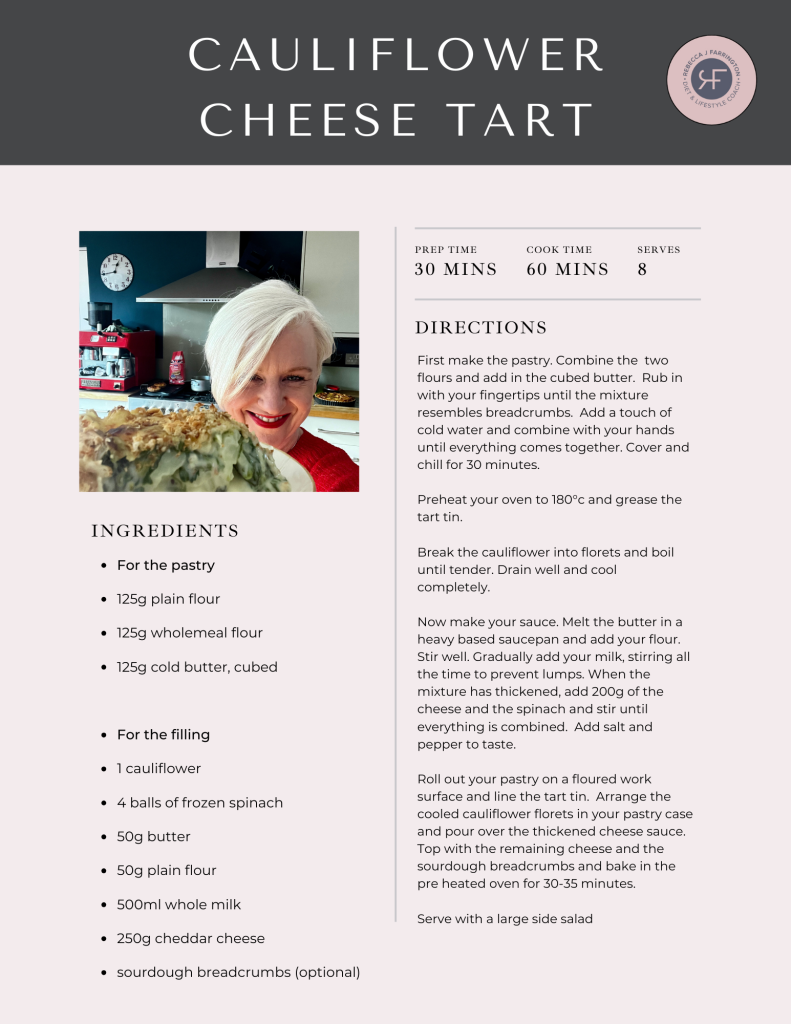
Cauliflower cheese tart

Cauliflower Cheese: Comfort Food as part of a Balanced Diet

Who says comfort food can’t be part of a healthy lifestyle? Cauliflower cheese is a classic dish that I absolutely love, but it’s often viewed as an indulgence rather than a balanced meal. However, with a little thought and the right pairings, it can absolutely have a place in your diet.

The key to enjoying this dish while supporting your health goals lies in creating a balanced plate. A balanced plate includes a mix of carbohydrates, proteins, healthy fats, and plenty of vegetables for fibre, vitamins, and minerals. While my cauliflower cheese tart offers protein and fat from the cheese sauce and fibre from the cauliflower, it’s a bit lacking when it comes to variety. That’s where your sides come in!

Pair your cauliflower cheese with a vibrant selection of side vegetables or a fresh salad. Think roasted carrots, steamed green beans, crispy kale, or a crisp leafy salad with a zingy lemon dressing. This not only boosts the meal’s nutritional value but also creates a plate that’s colorful, filling, and satisfying. and it will help you towards your 30 a week!

Balance is all about enjoying the foods you love without sacrificing your health goals. It’s not about restrictions but more about making choices that nourish both your body and your soul. Cauliflower cheese tart may feel indulgent, but when combined with plenty of fresh vegetables, it becomes part of a meal that’s as nutritious as it is delicious.

Ready to try it yourself? My cauliflower cheese recipe is simple, comforting, and packed with flavour—scroll down to discover how to make it! Don’t forget to load up your plate with veggies to turn this classic dish into a healthy, balanced meal.

My cauliflower cheese tart recipe

Building a Healthier Future

A woman breathing deeply next to a tree
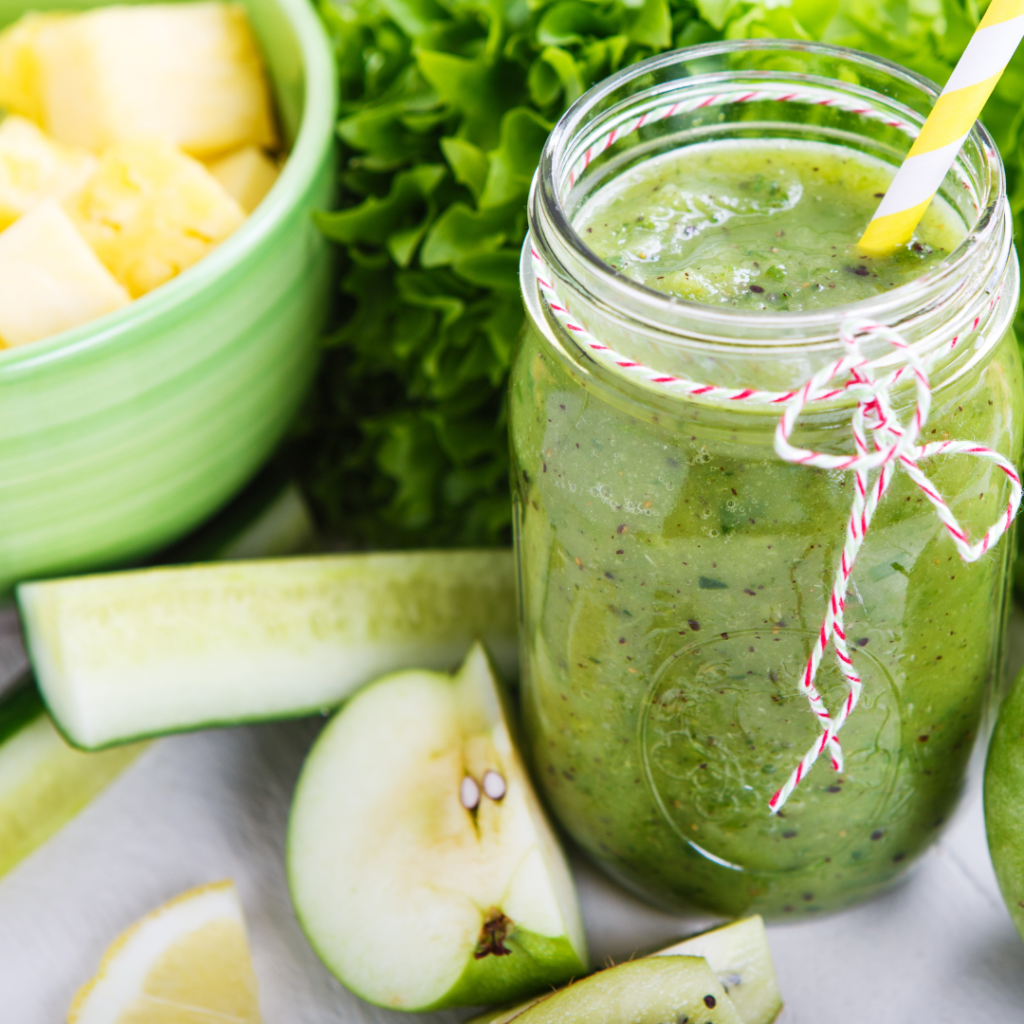
Green Smoothie

How to Start a Good Habit in 2025

As we step into 2025, it’s a great time to focus on building habits that contribute to a healthier, happier future. Unlike fleeting New Year’s resolutions, forming sustainable habits can bring long-lasting change to your life. Let’s explore the science of habit formation and how you can apply practical strategies like habit stacking and rewards to make new habits stick.

The Science Behind Habit Formation

Habits are behaviors wired into our brains through repetition. Psychologist James Clear, author of Atomic Habits, explains that every habit follows a simple loop: cue, craving, response, and reward. Understanding this loop can help you design habits that seamlessly integrate into your life.

  • Cue: A trigger that starts the habit.
  • Craving: The desire for the outcome of the habit.
  • Response: The action you take.
  • Reward: The benefit or satisfaction you gain from completing the habit.

The key to creating a new habit lies in identifying a reliable cue and ensuring the reward is satisfying enough to keep you coming back for more.

Practical Strategies for Starting Good Habits

Here are some proven strategies to help you establish new habits and make them stick:

  1. Start Small Begin with habits so simple that they feel almost effortless. If your goal is to exercise regularly, commit to just five minutes of movement a day. Small wins build momentum and confidence.
  2. Use Habit Stacking Habit stacking involves attaching a new habit to an existing one. For example, if you already brush your teeth every morning, you could add a new habit like doing 10 squats immediately afterward. This strategy leverages the structure of your day to create consistency.Example: “After I make my morning coffee, I will write down one thing I’m grateful for.”
  3. Set Clear Intentions Ambiguity is the enemy of habit formation. Instead of saying, “I’ll eat healthier,” be specific: “I’ll eat a piece of fruit with breakfast every day.” Clarity provides direction and removes decision fatigue.
  4. Create an Environment for Success Make your environment work for you by reducing friction for good habits and increasing friction for bad ones. For instance, if you want to drink more water, keep a water bottle within arm’s reach at all times.
  5. Celebrate Small Wins Rewards are essential for reinforcing new habits. Celebrate your progress, no matter how small. This could be as simple as acknowledging your effort with a positive affirmation or treating yourself to something you enjoy.

Overcoming Common Challenges

Building a new habit isn’t always smooth sailing. Here are ways to tackle common obstacles:

  • Lack of Motivation: Focus on building systems, not relying on willpower. For example, set reminders or pair up with an accountability partner.
  • Impatience: Remember, habits take time. Research suggests it takes an average of 66 days to form a habit, so stay consistent and be patient with yourself.
  • Breaking the Chain: Life happens, and you may miss a day. The key is to avoid missing two days in a row. Get back on track as soon as possible.

Visualise Your Healthier Future

As you embark on this journey, take a moment to visualise the future you’re working toward. Imagine how your new habits will improve your energy, mood, and overall well-being. Let this vision inspire you to stay consistent, even when the initial excitement fades.

Final Thoughts

Starting a good habit in 2025 doesn’t have to be overwhelming. By understanding the science of habits and applying practical strategies like habit stacking, small steps, and rewards, you can lay the foundation for a healthier and happier future. Remember, it’s not about perfection; it’s about progress. Celebrate each step forward, and watch how these small changes compound into a transformative year ahead. If you’d like to know more about how I can help you in 2025 then message me to organise a free discovery call.

What new habit will you start today to build a healthier tomorrow?

Leptin: What is it and why does it matter?

When it comes to managing weight, most of us think about calories, exercise, or the latest diet trends. We don’t often think of Leptin? But this hormone could be the unsung hero (or villain) in your weight journey.

Let’s look at it in a bit more detail. Leptin is a hormone produced by your fat cells, and its main job is to communicate with your brain, specifically a part of your brain called the hypothalamus. Think of leptin as the messenger that tells your brain how much energy you’ve stored in your fat reserves. When everything is working as it should, leptin helps your body maintain balance, also known as “homeostasis.”

How Leptin Works

Imagine your body is like a bank account. Instead of money, though, you’re dealing with energy. When you’ve got plenty of energy stored (i.e., body fat), your fat cells release leptin. This signals to your brain to ease off the hunger and boost your calorie burn. It’s like your brain saying, “It’s fine, no need to stock up on snacks right now.”

But if your energy reserves dip, say you’ve been dieting or skipping meals (or consuming a lot of ultra-processed food), your fat cells produce less leptin. This drop in leptin tells your brain to turn up the hunger dial and slow down your metabolism to conserve energy. Essentially, your body goes into survival mode, urging you to eat and hang on to every calorie for dear life.

Leptin Resistance: When Things Go Haywire

Here’s where it gets tricky. For many people, especially those struggling with weight gain or obesity, leptin’s signals get lost in translation. This is called leptin resistance.

When you are leptin-resistant, your brain doesn’t “hear” leptin’s message, even though your fat cells are producing plenty of it. It’s like shouting into a void—the message just doesn’t get through. So, your brain assumes you’re starving, and it cranks up hunger and slows down your metabolism, even if you’ve got more than enough energy stored. This can create a vicious cycle of overeating, weight gain, and frustration.

What Causes Leptin Resistance?

The exact causes of leptin resistance aren’t fully understood, but several factors seem to play a role:

  1. Chronic Inflammation: Inflammation, especially in the hypothalamus, can interfere with leptin signaling.
  2. High Fat and Sugar Diets: Consistently eating ultra-processed foods (UPF) can interfere with leptin’s ability to do its job.
  3. Poor Sleep: Lack of sleep disrupts many hormones, including leptin, making it harder for your brain to regulate hunger and metabolism.
  4. Stress: High cortisol levels (your stress hormone) can also throw leptin off balance

So what can you do?

The good news? Leptin resistance isn’t a life sentence. While there’s no magic pill, making some lifestyle tweaks can help restore balance:

  1. Focus on Whole Foods: Swap out processed snacks for fruits, veggies, lean proteins, and healthy fats. These foods are less likely to cause inflammation and help regulate blood sugar levels.
  2. Prioritise Sleep: Aim for 7-9 hours of quality sleep a night. Your body’s hormones need rest to stay in tune.
  3. Exercise Regularly: Movement, especially strength training, can improve leptin sensitivity and overall metabolic health.
  4. Manage Stress: Easier said than done, right? But activities like breathing exercises, meditation, or even a daily walk can keep cortisol levels in check.
  5. Avoid Crash Dieting: Extreme calorie restriction can play havoc with your leptin levels, making it even harder to lose weight.

Why Leptin Matters for Women Over 40

If you’re a woman over 40, you might notice that weight management feels more challenging than it used to. That’s partly because hormonal shifts during perimenopause and menopause can affect how your body produces and responds to leptin. It’s even more reason to pay attention to your sleep, diet, and stress levels.

Conclusion

Leptin is like the backstage crew of your weight management show. You might not see it, but it’s working hard to keep things running smoothly. If you’ve been struggling with weight despite your best efforts, it could be worth considering how well your leptin is doing its job. Small changes can make a big difference!

The benefits of swimming

A picture of Mousehole Harbour
Mousehole harbour

How it Started……..

I’m not really a natural swimmer. I was always a bit nervous around water and although I could manage not to drown, that was about as good as it got! Then around five years ago when we were on our honeymoon in Madeira (a beautiful hotel by the way link here ) my husband decided he’d teach me to swim properly. I started in the sea pool, which was easy because of the buoyancy and it wasn’t too deep so I felt confident to keep trying. I then moved on to the ‘big pool’ and happily spent the rest of the honeymoon improving my swimming.

When I got back to the UK I was keen to carry on swimming and so I joined my local leisure centre and from there I built up to doing forty lengths, three times a week. There are many benefits to swimming regularly. Swimming is an excellent, low-impact workout that offers a wealth of physical and mental health benefits. One of its primary advantages is that it works the entire body without putting stress on the joints. This makes it ideal for people of all ages and fitness levels, particularly those with joint issues or arthritis. When you swim, you engage multiple muscle groups—arms, legs, core, and back—which helps tone the body and improve strength. Swimming is also a fantastic cardiovascular exercise that increases heart rate and lung capacity, improving endurance and supporting heart health. It also reduces the risk of chronic diseases like hypertension and type 2 diabetes.

Beyond physical benefits, swimming can positively impact mental well-being. The rhythmic nature of swimming can reduce stress, anxiety, and even symptoms of depression. It does that by promoting the release of endorphins, the body’s “feel-good” hormones. Being in water can also have a meditative effect. The act of gliding through water creates a sense of calm and relaxation, making it an effective way to reset the mind. Additionally, swimming is versatile—it can be enjoyed alone as a peaceful workout or in a group setting to build social connections, adding a sense of community and support that enriches the overall experience.

Where I am now……..

Rebecca swimming in the sea
Swimming with a friend
Post swim

Fast forward to this summer and for some unknown reason I woke up and decided I wanted to go sea swimming. It wasn’t a particularly sunny day, nor was it particularly warm. But for some reason I just felt like going for a dip……and so I put on my costume, cycled the mile down the hill to the lovely village of Mousehole and that was my first real sea swim in this country.

Swimming in the sea offers unique benefits that go beyond the typical pool experience, combining physical exercise with the rejuvenating effects of natural elements. The natural resistance of sea water enhances the workout, engaging muscles more effectively than in chlorinated water and providing a low-impact workout that’s gentle on joints. This resistance, along with the movement of the waves, helps tone muscles and build endurance in a refreshing, outdoor setting. Additionally, swimming in saltwater is beneficial for the skin, as the minerals in seawater, like magnesium and potassium, can help to soften and exfoliate, leaving skin feeling revitalized.

Beyond physical fitness, swimming in the sea has profound mental health benefits. Immersion in natural water stimulates the body’s release of endorphins, promoting a sense of calm and well-being. The open space, fresh air, and connection with nature have been shown to reduce stress and anxiety, acting as a natural mood booster. Exposure to sunlight also supports vitamin D production, which is essential for bone health, immune support, and energy levels.

Because I want to carry on swimming in the sea throughout the winter, I decided to enrol in a sea swimming experience run by the amazing Sarah Walsh . The day was part of Carbis Bay Estates wellness week and I would highly recommend booking a session next time they are available.

Carbis Bay hotel
Carbis Bay Hotel and Spa
Carbis Bay hotel

The importance of sleep

In the quest for a healthier lifestyle, we often focus on diet and exercise as the primary drivers of weight management. While these are undoubtedly crucial, sleep plays a significant role in maintaining a healthy weight. The simple act of getting enough sleep each night can make a profound difference in your waistline and overall well-being. The importance of a good nights sleep should not be underestimated!

Woman sleeping

In today’s busy world which glorifies burning the midnight oil and sacrificing sleep for productivity, it’s easy to underestimate the importance of quality sleep in maintaining a healthy weight. However, research consistently shows that insufficient sleep can disrupt the delicate balance of hormones that regulate hunger, appetite, and metabolism, ultimately leading to weight gain and increased risk of obesity.

Hormones and sleep

One of the key hormones affected by sleep deprivation is leptin, often referred to as the “satiety hormone.” Leptin signals to your brain that you’re full and satisfied after eating, helping to regulate energy balance and prevent overeating. However, when you don’t get enough sleep, leptin levels drop, making you feel hungrier and more prone to overeating, especially high-calorie, carbohydrate-rich foods that provide quick energy boosts.

On the flip side, sleep deprivation also disrupts another important hormone called ghrelin, often dubbed the “hunger hormone.” Ghrelin stimulates appetite and increases food intake, particularly for high-calorie foods. When you’re sleep-deprived, ghrelin levels rise, intensifying feelings of hunger and cravings, which can lead to excessive calorie consumption and weight gain over time.

But the impact of sleep on weight management doesn’t stop there. In addition to hormonal disruptions, lack of sleep can also affect your body’s ability to metabolise carbohydrates, leading to insulin resistance and an increased risk of developing type 2 diabetes. Sleep deprivation impairs cognitive function and decision-making, making it harder to resist unhealthy food choices and stick to your dietary goals.

Woman with daisy in belly button

What you can do

So, what can you do to prioritise sleep and harness its weight-management benefits? Start by establishing a consistent sleep schedule and aim for 7-9 hours of quality sleep each night. Create a relaxing bedtime routine to signal to your body that it’s time to wind down.  Things such as reading a book, taking a warm bath, or practicing meditation. Limit exposure to screens and electronic devices before bed, as the blue light emitted can disrupt your natural sleep-wake cycle.

In conclusion, sleep is not a luxury but a necessity for maintaining a healthy weight and overall well-being. By prioritising adequate sleep and addressing any sleep-related issues, you can optimise your body’s hormonal balance, improve your metabolism, and enhance your ability to make healthier choices throughout the day. So, the next time you’re tempted to sacrifice sleep for productivity, remember that a good night’s rest is just as essential for your waistline as it is for your mind and body.

Edamame Bean Salad

Tuna salad with edamame beans

This recipe for edamame bean is a firm favourite in my household. Packed with polyphenols it’s brilliant for your gut and, of course, it tastes great too. I often use it as a side dish to a main meal, or I just add it as a salad topper. For a special treat serve with seared tuna or salmon. It gets even better after a few days so it’s the perfect fridge stand-by.

Ingredients

  • Edamame Salad:
  • 2 cups frozen edamame, thawed
  • 1 cup snap peas, sliced
  • 2 tablespoons fresh coriander
  • 2 teaspoons sesame seeds or mixed seeds
  • Ginger Sesame Dressing:
  • 1 tablespoon sesame oil
  • 1 tablespoon lime juice
  • 1 tablespoon soy sauce, or tamari
  • 1 tablespoon honey
  • 1/2” inch fresh ginger, grated
  • 2 cloves of garlic, peeled and chopped
  • Fresh coriander

Method

In a small bowl or jar, add dressing ingredients, whisk together until combined and set aside.

In a large bowl, combine the edamame, snap peas and coriander

Drizzle the salad with the dressing and toss again to ensure everything is well coated.

Taste the salad, season with additional sea salt and pepper to taste and sprinkle with sesame seeds to serve.

The salad can be served immediately or stored in an airtight container in the fridge for up to 3 days.

Spicy Butterbean Stew

A bowl of spicy white bean stew

This is a hearty and comforting butter bean stew that can either be served it’s own or as an accompaniment for fish – it would be delicious served with pan-fried hake. I had mine with some feta cheese because I was being lazy! It’s a recipe that I’ve adapted from Bold Bean Co. It’s packed with protein rich beans and fibre and feel free to add different vegetables.

Ingredients

  • 1 onion, chopped
  • Extra virgin olive oil
  • 4 cloves of garlic
  • 1 tsp smoked paprika
  • 1 jar of Bold Beans Co butterbeans
  • 1 tablespoon Gochujang Red Pepper Paste
  • 1 red pepper, chopped
  • 1 fennel bulb, sliced
  • 1 500g pack passatta
  • 200ml vegetable stock
  • 1 tbsp creme fraiche (optional)
  • 1 tbsp chopped coriander (optional)

Method

Add a splash of extra virgin olive oil to a pan and stir in the onions. Cook for a couple of minutes then add the garlic and cook for a further 5 minutes until soft.

Once the onions and garlic have cooked down add the sliced fennel and the red pepper and cook for a further couple of minutes, then add the smoked paprika and the red pepper paste. When the fennel and red peppers have softened add the passatta and vegetable stock

Cook until it has reduced down and the tomato sauce has thickened. Finish of with the creme fraiche and herbs.

Notes

To increase the amount of veg in this Spicy Butter Bean Stew you could consider adding finely chopped celery or carrot when you are sweating down the onions. You could also add different coloured peppers.