
Building a Healthier Future

A woman breathing deeply next to a tree
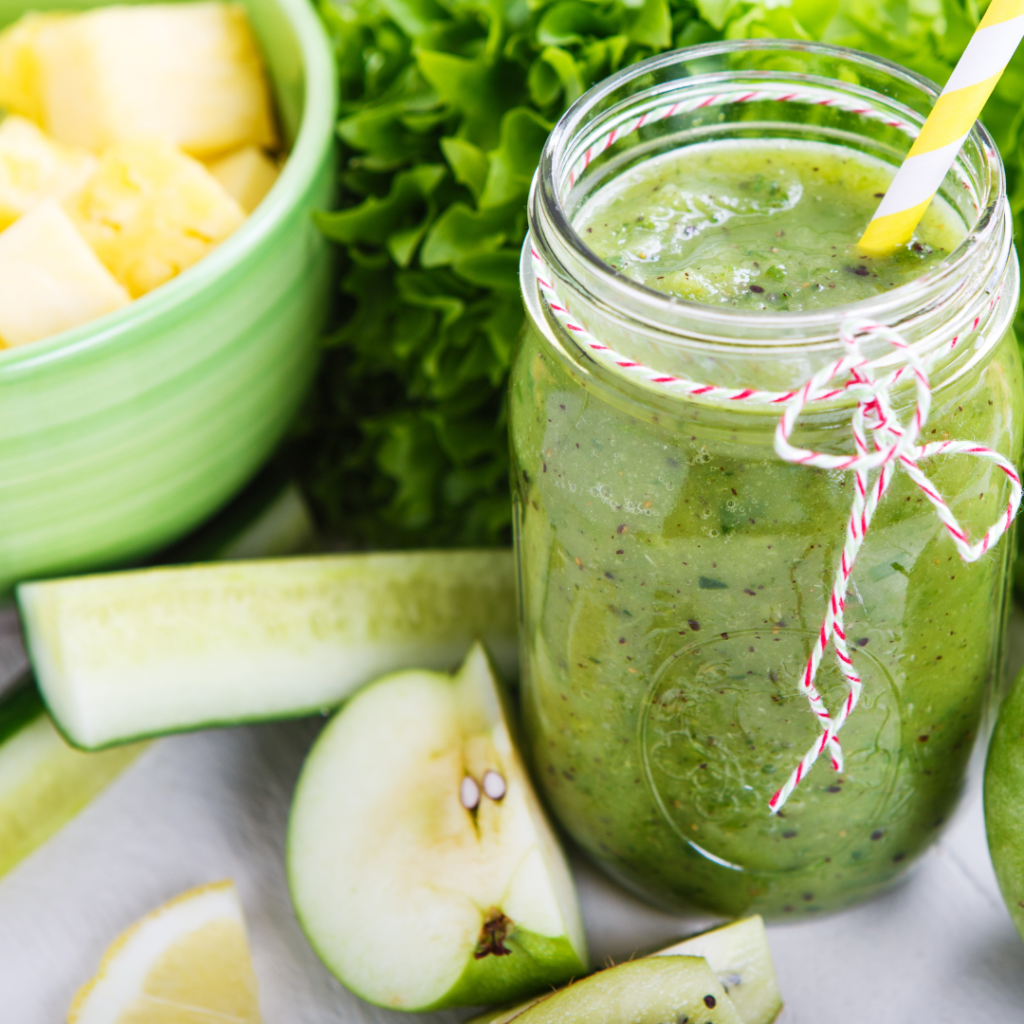
Green Smoothie

How to Start a Good Habit in 2025

As we step into 2025, it’s a great time to focus on building habits that contribute to a healthier, happier future. Unlike fleeting New Year’s resolutions, forming sustainable habits can bring long-lasting change to your life. Let’s explore the science of habit formation and how you can apply practical strategies like habit stacking and rewards to make new habits stick.

The Science Behind Habit Formation

Habits are behaviors wired into our brains through repetition. Psychologist James Clear, author of Atomic Habits, explains that every habit follows a simple loop: cue, craving, response, and reward. Understanding this loop can help you design habits that seamlessly integrate into your life.

  • Cue: A trigger that starts the habit.
  • Craving: The desire for the outcome of the habit.
  • Response: The action you take.
  • Reward: The benefit or satisfaction you gain from completing the habit.

The key to creating a new habit lies in identifying a reliable cue and ensuring the reward is satisfying enough to keep you coming back for more.

Practical Strategies for Starting Good Habits

Here are some proven strategies to help you establish new habits and make them stick:

  1. Start Small Begin with habits so simple that they feel almost effortless. If your goal is to exercise regularly, commit to just five minutes of movement a day. Small wins build momentum and confidence.
  2. Use Habit Stacking Habit stacking involves attaching a new habit to an existing one. For example, if you already brush your teeth every morning, you could add a new habit like doing 10 squats immediately afterward. This strategy leverages the structure of your day to create consistency.Example: “After I make my morning coffee, I will write down one thing I’m grateful for.”
  3. Set Clear Intentions Ambiguity is the enemy of habit formation. Instead of saying, “I’ll eat healthier,” be specific: “I’ll eat a piece of fruit with breakfast every day.” Clarity provides direction and removes decision fatigue.
  4. Create an Environment for Success Make your environment work for you by reducing friction for good habits and increasing friction for bad ones. For instance, if you want to drink more water, keep a water bottle within arm’s reach at all times.
  5. Celebrate Small Wins Rewards are essential for reinforcing new habits. Celebrate your progress, no matter how small. This could be as simple as acknowledging your effort with a positive affirmation or treating yourself to something you enjoy.

Overcoming Common Challenges

Building a new habit isn’t always smooth sailing. Here are ways to tackle common obstacles:

  • Lack of Motivation: Focus on building systems, not relying on willpower. For example, set reminders or pair up with an accountability partner.
  • Impatience: Remember, habits take time. Research suggests it takes an average of 66 days to form a habit, so stay consistent and be patient with yourself.
  • Breaking the Chain: Life happens, and you may miss a day. The key is to avoid missing two days in a row. Get back on track as soon as possible.

Visualise Your Healthier Future

As you embark on this journey, take a moment to visualise the future you’re working toward. Imagine how your new habits will improve your energy, mood, and overall well-being. Let this vision inspire you to stay consistent, even when the initial excitement fades.

Final Thoughts

Starting a good habit in 2025 doesn’t have to be overwhelming. By understanding the science of habits and applying practical strategies like habit stacking, small steps, and rewards, you can lay the foundation for a healthier and happier future. Remember, it’s not about perfection; it’s about progress. Celebrate each step forward, and watch how these small changes compound into a transformative year ahead. If you’d like to know more about how I can help you in 2025 then message me to organise a free discovery call.

What new habit will you start today to build a healthier tomorrow?

Leptin: What is it and why does it matter?

When it comes to managing weight, most of us think about calories, exercise, or the latest diet trends. We don’t often think of Leptin? But this hormone could be the unsung hero (or villain) in your weight journey.

Let’s look at it in a bit more detail. Leptin is a hormone produced by your fat cells, and its main job is to communicate with your brain, specifically a part of your brain called the hypothalamus. Think of leptin as the messenger that tells your brain how much energy you’ve stored in your fat reserves. When everything is working as it should, leptin helps your body maintain balance, also known as “homeostasis.”

How Leptin Works

Imagine your body is like a bank account. Instead of money, though, you’re dealing with energy. When you’ve got plenty of energy stored (i.e., body fat), your fat cells release leptin. This signals to your brain to ease off the hunger and boost your calorie burn. It’s like your brain saying, “It’s fine, no need to stock up on snacks right now.”

But if your energy reserves dip, say you’ve been dieting or skipping meals (or consuming a lot of ultra-processed food), your fat cells produce less leptin. This drop in leptin tells your brain to turn up the hunger dial and slow down your metabolism to conserve energy. Essentially, your body goes into survival mode, urging you to eat and hang on to every calorie for dear life.

Leptin Resistance: When Things Go Haywire

Here’s where it gets tricky. For many people, especially those struggling with weight gain or obesity, leptin’s signals get lost in translation. This is called leptin resistance.

When you are leptin-resistant, your brain doesn’t “hear” leptin’s message, even though your fat cells are producing plenty of it. It’s like shouting into a void—the message just doesn’t get through. So, your brain assumes you’re starving, and it cranks up hunger and slows down your metabolism, even if you’ve got more than enough energy stored. This can create a vicious cycle of overeating, weight gain, and frustration.

What Causes Leptin Resistance?

The exact causes of leptin resistance aren’t fully understood, but several factors seem to play a role:

  1. Chronic Inflammation: Inflammation, especially in the hypothalamus, can interfere with leptin signaling.
  2. High Fat and Sugar Diets: Consistently eating ultra-processed foods (UPF) can interfere with leptin’s ability to do its job.
  3. Poor Sleep: Lack of sleep disrupts many hormones, including leptin, making it harder for your brain to regulate hunger and metabolism.
  4. Stress: High cortisol levels (your stress hormone) can also throw leptin off balance

So what can you do?

The good news? Leptin resistance isn’t a life sentence. While there’s no magic pill, making some lifestyle tweaks can help restore balance:

  1. Focus on Whole Foods: Swap out processed snacks for fruits, veggies, lean proteins, and healthy fats. These foods are less likely to cause inflammation and help regulate blood sugar levels.
  2. Prioritise Sleep: Aim for 7-9 hours of quality sleep a night. Your body’s hormones need rest to stay in tune.
  3. Exercise Regularly: Movement, especially strength training, can improve leptin sensitivity and overall metabolic health.
  4. Manage Stress: Easier said than done, right? But activities like breathing exercises, meditation, or even a daily walk can keep cortisol levels in check.
  5. Avoid Crash Dieting: Extreme calorie restriction can play havoc with your leptin levels, making it even harder to lose weight.

Why Leptin Matters for Women Over 40

If you’re a woman over 40, you might notice that weight management feels more challenging than it used to. That’s partly because hormonal shifts during perimenopause and menopause can affect how your body produces and responds to leptin. It’s even more reason to pay attention to your sleep, diet, and stress levels.

Conclusion

Leptin is like the backstage crew of your weight management show. You might not see it, but it’s working hard to keep things running smoothly. If you’ve been struggling with weight despite your best efforts, it could be worth considering how well your leptin is doing its job. Small changes can make a big difference!

The benefits of swimming

A picture of Mousehole Harbour
Mousehole harbour

How it Started……..

I’m not really a natural swimmer. I was always a bit nervous around water and although I could manage not to drown, that was about as good as it got! Then around five years ago when we were on our honeymoon in Madeira (a beautiful hotel by the way link here ) my husband decided he’d teach me to swim properly. I started in the sea pool, which was easy because of the buoyancy and it wasn’t too deep so I felt confident to keep trying. I then moved on to the ‘big pool’ and happily spent the rest of the honeymoon improving my swimming.

When I got back to the UK I was keen to carry on swimming and so I joined my local leisure centre and from there I built up to doing forty lengths, three times a week. There are many benefits to swimming regularly. Swimming is an excellent, low-impact workout that offers a wealth of physical and mental health benefits. One of its primary advantages is that it works the entire body without putting stress on the joints. This makes it ideal for people of all ages and fitness levels, particularly those with joint issues or arthritis. When you swim, you engage multiple muscle groups—arms, legs, core, and back—which helps tone the body and improve strength. Swimming is also a fantastic cardiovascular exercise that increases heart rate and lung capacity, improving endurance and supporting heart health. It also reduces the risk of chronic diseases like hypertension and type 2 diabetes.

Beyond physical benefits, swimming can positively impact mental well-being. The rhythmic nature of swimming can reduce stress, anxiety, and even symptoms of depression. It does that by promoting the release of endorphins, the body’s “feel-good” hormones. Being in water can also have a meditative effect. The act of gliding through water creates a sense of calm and relaxation, making it an effective way to reset the mind. Additionally, swimming is versatile—it can be enjoyed alone as a peaceful workout or in a group setting to build social connections, adding a sense of community and support that enriches the overall experience.

Where I am now……..

Rebecca swimming in the sea
Swimming with a friend
Post swim

Fast forward to this summer and for some unknown reason I woke up and decided I wanted to go sea swimming. It wasn’t a particularly sunny day, nor was it particularly warm. But for some reason I just felt like going for a dip……and so I put on my costume, cycled the mile down the hill to the lovely village of Mousehole and that was my first real sea swim in this country.

Swimming in the sea offers unique benefits that go beyond the typical pool experience, combining physical exercise with the rejuvenating effects of natural elements. The natural resistance of sea water enhances the workout, engaging muscles more effectively than in chlorinated water and providing a low-impact workout that’s gentle on joints. This resistance, along with the movement of the waves, helps tone muscles and build endurance in a refreshing, outdoor setting. Additionally, swimming in saltwater is beneficial for the skin, as the minerals in seawater, like magnesium and potassium, can help to soften and exfoliate, leaving skin feeling revitalized.

Beyond physical fitness, swimming in the sea has profound mental health benefits. Immersion in natural water stimulates the body’s release of endorphins, promoting a sense of calm and well-being. The open space, fresh air, and connection with nature have been shown to reduce stress and anxiety, acting as a natural mood booster. Exposure to sunlight also supports vitamin D production, which is essential for bone health, immune support, and energy levels.

Because I want to carry on swimming in the sea throughout the winter, I decided to enrol in a sea swimming experience run by the amazing Sarah Walsh . The day was part of Carbis Bay Estates wellness week and I would highly recommend booking a session next time they are available.

Carbis Bay hotel
Carbis Bay Hotel and Spa
Carbis Bay hotel