The Food Matrix: Why There’s No Such Thing as a ‘Good’ or ‘Bad’ Food

We’ve all been there. You reach for a snack, and somewhere in the back of your mind, a voice pipes up: is this good or bad for me? It’s a habit we’ve been conditioned into — sorting food into tidy moral categories, as if a biscuit were villainous and a stick of celery were saintly.

But nutrition science tells a more nuanced story. One of the most important concepts emerging from that science is the food matrix — and understanding it could fundamentally change the way you think about what you eat.

What Is the Food Matrix?

The food matrix refers to the physical and chemical structure of a food — how its individual components (carbohydrates, fats, proteins, fibre, water, vitamins, and minerals) are physically organised and interact with one another. It’s not just what food contains, but how those nutrients are packaged, arranged, and delivered to your body.

Two foods can share almost identical nutritional profiles on paper yet have completely different effects in the body — simply because of how their matrix is structured. This is why blanket labels like “healthy” or “unhealthy” are so often misleading. The food matrix invites us to ask a better question: not what is in this food, but how will my body actually experience it?

The Apple Argument: A Tale of Two Matrices


Let’s take one of the most illuminating examples in nutrition: the humble apple.

Ask most people whether an apple is healthy, and they’ll say yes without hesitation. Ask whether apple juice is healthy, and many will say the same. After all, it comes from apples, right?

Here’s where the food matrix changes everything.
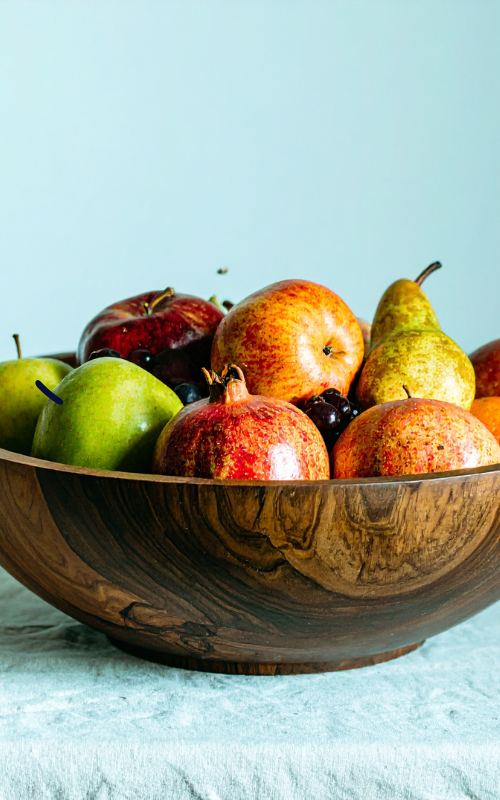
A bowl of fruit, including apples and pears

When you eat a whole apple, you’re consuming the entire structure of the fruit. The sugars — primarily fructose — are locked within the cell walls of the apple’s flesh. These walls are made up of fibre, including pectin, which slows digestion considerably. Your body has to physically break down that cellular structure before it can access the sugars. This process takes time. As a result, glucose enters your bloodstream gradually, your insulin response is measured, and you feel fuller for longer. One medium apple contains around 4–5 grams of fibre and takes genuine effort to consume and digest.

When you drink apple juice, even if it’s freshly pressed and 100% “natural,” the picture is completely different. The juicing process has already done the mechanical work of breaking down the cell walls. The fibre — your body’s great regulator — has been largely removed or rendered ineffective. What remains is liquid sugar, with virtually no structural complexity left to slow its absorption. That same apple’s worth of fructose now floods into your bloodstream rapidly, causing a sharper spike in blood sugar and a corresponding insulin response. And because the physical bulk and fibre are gone, the satiety signals that a whole apple would trigger simply don’t fire in the same way.

This is the food matrix at work. The apple and the juice contain similar ingredients, but they are nutritionally and physiologically worlds apart — because the matrix has been dismantled.

It’s Not the Food. It’s What You Do to It.
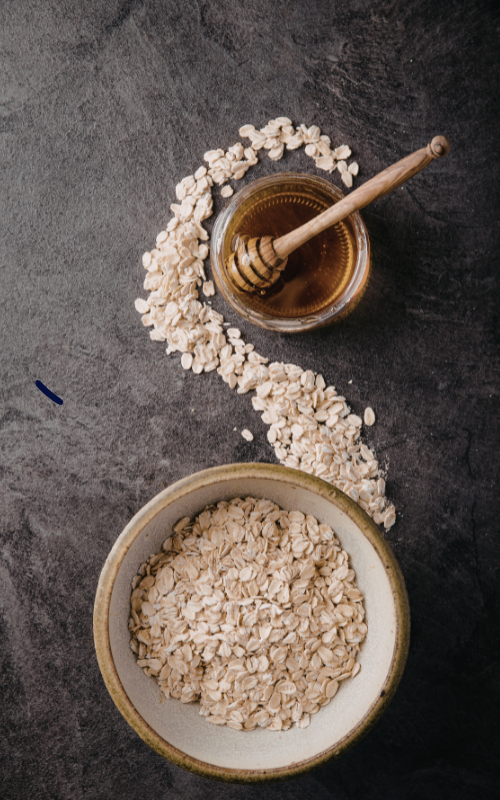
A bowl of whole oats

The apple example is a gateway into a much broader principle: food preparation and processing profoundly alter the food matrix, and therefore the nutritional experience of eating. Consider oats. A bowl of traditional, slow-cooked porridge oats has a robust matrix. The beta-glucan fibre forms a thick gel in your gut, slowing digestion, feeding beneficial bacteria, and helping to stabilise blood sugar. 

Instant porridge — where the oats have been pre-cooked, dried, and rolled thinner — breaks down far more quickly, offering less of that slow-release benefit. Same food. Very different matrix.

Or think about tomatoes. Raw tomatoes contain lycopene, a powerful antioxidant. But lycopene is actually morebioavailable when tomatoes are cooked and combined with a small amount of fat — like in a rich tomato sauce made with olive oil. Here, cooking and preparation enhance the food matrix rather than diminish it. Not everything lost is good; not everything gained is bad.

Even something as simple as chewing plays a role. Research has shown that more thoroughly chewed food is digested differently to food that’s eaten quickly, affecting satiety hormones and the rate of nutrient absorption. The matrix begins to shift the moment you take a bite.

Why Labelling Food ‘Good’ or ‘Bad’ Is Too Simple

When we call a food “bad,” we almost always mean a processed version of it — or a preparation that has stripped away the structural integrity that made it beneficial in the first place. White bread isn’t inherently bad; but compared to a dense, slow-fermented sourdough made with whole grains, its matrix is far less complex, its fibre far lower, and its impact on blood sugar far more pronounced.

The “bad food” label also ignores context entirely. A banana consumed after a long run, when your muscles are hungry for fast-releasing glucose, is a very different nutritional event to the same banana eaten sedentary on a sofa. The food hasn’t changed. The context has.

This matters because moral food labelling creates anxiety, guilt, and an all-or-nothing mindset that rarely serves our health. It directs our attention away from the things that genuinely shape nutritional quality: the degree of processing, the cooking method, the food combinations, the context of consumption, and the overall pattern of our diet.

Practical Takeaways: Honouring the Food Matrix
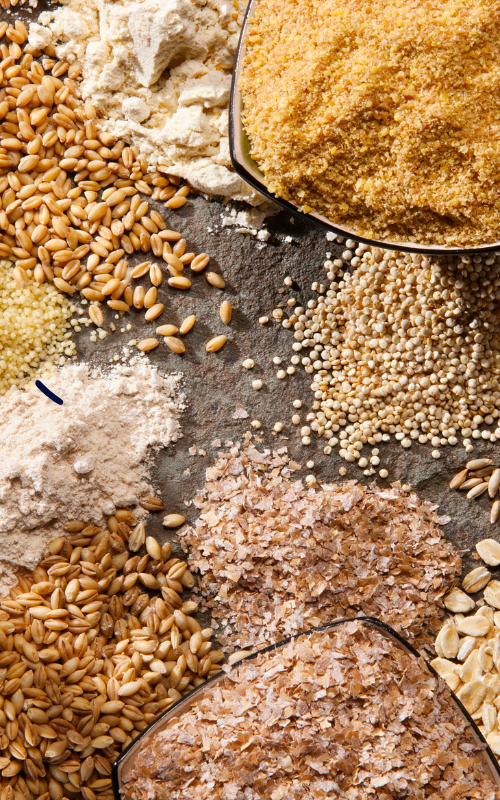
Whole grains
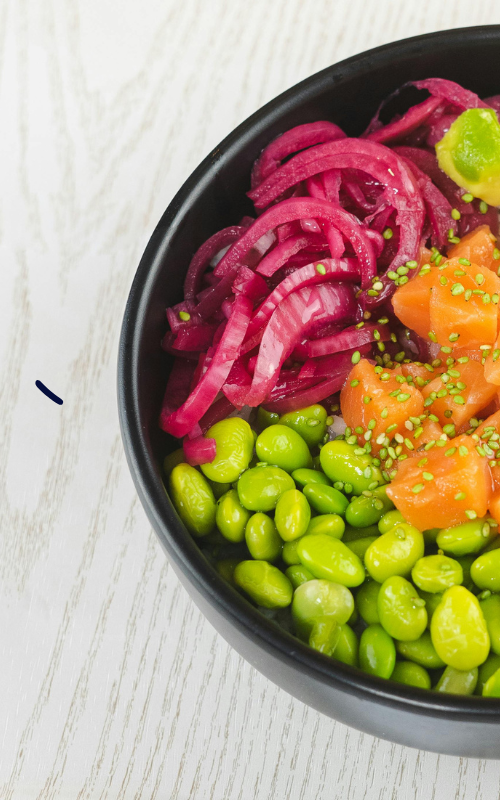
Edamame bean poke bowl
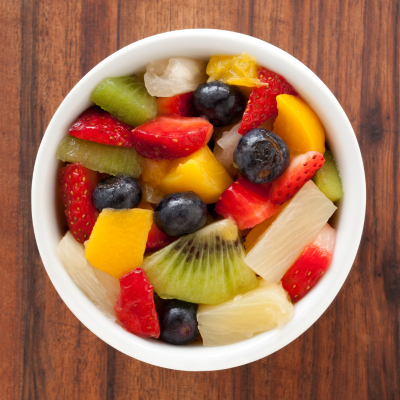
Fresh fruit

Understanding the food matrix doesn’t require a degree in biochemistry. It asks for a simple shift in perspective:

Choose whole over processed where you can. The closer a food is to its original form, the more likely its matrix is intact. This doesn’t mean never eating processed foods — it means appreciating that the further food travels from its original state, the more its matrix changes.

Think about preparation. Steaming vegetables retains more of their cellular structure and nutrients than boiling. Slow cooking legumes from dried preserves more beneficial compounds than relying solely on tinned versions. Small choices in the kitchen have real effects.

Eat, don’t drink, your calories. Liquids — smoothies, juices, even blended soups — have altered matrices that generally reduce satiety and speed up absorption compared to their whole-food equivalents. This isn’t a reason to avoid them; it’s a reason to be mindful about them.

Stop moralising food. There are no good or bad foods — only foods with different matrices, different contexts, and different roles in a diet. A diet built on variety, whole foods, and thoughtful preparation will serve you far better than one built on restriction and guilt.

The Bottom Line

The food matrix reminds us that nutrition is not a simple equation. The same nutrients in the same quantities can behave in vastly different ways depending on how they’re structured, processed, and prepared. An apple and apple juice are not the same thing. Whole oats and instant oats are not the same thing. And a food eaten in one context is not the same as that food eaten in another.

Rather than asking whether a food is good or bad, start asking: how whole is this? How has it been prepared? What has been added or removed? Those are the questions that actually move the needle — and the food matrix is the framework that helps you answer them.


Enjoyed this article? Share it with someone who’s still sorting their meals into “good” and “bad” — they might just change their mind.
Set Point Theory: Why Your Body Defends Its Weight


What Is Set Point Theory?

Woman in workout gear eating salad

The Research Behind Set Point Theory

Key Studies and Findings


What You Can Do to Work With (Not Against) Your Set Point

1. Focus on Gradual, Sustainable Changes

2. Prioritise Protein and Fibre

3. Build and Maintain Muscle Mass

4. Optimise Sleep and Manage Stress

5. Use Strategic Refeeds and Diet Breaks

6. Develop Non-Food Coping Strategies

7. Focus on Behaviour Change, Not Just Weight

8. Consider Your Personal History

The Bottom Line

What is Fibremaxxing? – The Gut-Health Trend You Need to Know About

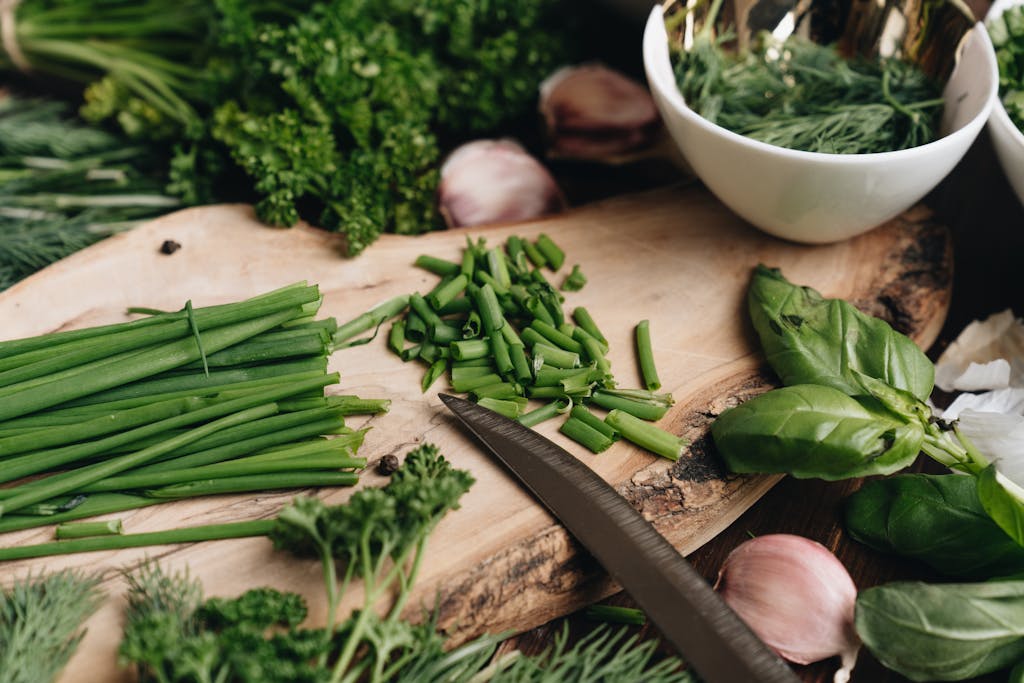
A vibrant still life of fresh herbs on a rustic wooden cutting board, perfect for culinary inspiration.

Leptin: What is it and why does it matter?

When it comes to managing weight, most of us think about calories, exercise, or the latest diet trends. We don’t often think of Leptin? But this hormone could be the unsung hero (or villain) in your weight journey.

Let’s look at it in a bit more detail. Leptin is a hormone produced by your fat cells, and its main job is to communicate with your brain, specifically a part of your brain called the hypothalamus. Think of leptin as the messenger that tells your brain how much energy you’ve stored in your fat reserves. When everything is working as it should, leptin helps your body maintain balance, also known as “homeostasis.”

How Leptin Works

Imagine your body is like a bank account. Instead of money, though, you’re dealing with energy. When you’ve got plenty of energy stored (i.e., body fat), your fat cells release leptin. This signals to your brain to ease off the hunger and boost your calorie burn. It’s like your brain saying, “It’s fine, no need to stock up on snacks right now.”

But if your energy reserves dip, say you’ve been dieting or skipping meals (or consuming a lot of ultra-processed food), your fat cells produce less leptin. This drop in leptin tells your brain to turn up the hunger dial and slow down your metabolism to conserve energy. Essentially, your body goes into survival mode, urging you to eat and hang on to every calorie for dear life.

Leptin Resistance: When Things Go Haywire

Here’s where it gets tricky. For many people, especially those struggling with weight gain or obesity, leptin’s signals get lost in translation. This is called leptin resistance.

When you are leptin-resistant, your brain doesn’t “hear” leptin’s message, even though your fat cells are producing plenty of it. It’s like shouting into a void—the message just doesn’t get through. So, your brain assumes you’re starving, and it cranks up hunger and slows down your metabolism, even if you’ve got more than enough energy stored. This can create a vicious cycle of overeating, weight gain, and frustration.

What Causes Leptin Resistance?

The exact causes of leptin resistance aren’t fully understood, but several factors seem to play a role:

  1. Chronic Inflammation: Inflammation, especially in the hypothalamus, can interfere with leptin signaling.
  2. High Fat and Sugar Diets: Consistently eating ultra-processed foods (UPF) can interfere with leptin’s ability to do its job.
  3. Poor Sleep: Lack of sleep disrupts many hormones, including leptin, making it harder for your brain to regulate hunger and metabolism.
  4. Stress: High cortisol levels (your stress hormone) can also throw leptin off balance

So what can you do?

The good news? Leptin resistance isn’t a life sentence. While there’s no magic pill, making some lifestyle tweaks can help restore balance:

  1. Focus on Whole Foods: Swap out processed snacks for fruits, veggies, lean proteins, and healthy fats. These foods are less likely to cause inflammation and help regulate blood sugar levels.
  2. Prioritise Sleep: Aim for 7-9 hours of quality sleep a night. Your body’s hormones need rest to stay in tune.
  3. Exercise Regularly: Movement, especially strength training, can improve leptin sensitivity and overall metabolic health.
  4. Manage Stress: Easier said than done, right? But activities like breathing exercises, meditation, or even a daily walk can keep cortisol levels in check.
  5. Avoid Crash Dieting: Extreme calorie restriction can play havoc with your leptin levels, making it even harder to lose weight.

Why Leptin Matters for Women Over 40

If you’re a woman over 40, you might notice that weight management feels more challenging than it used to. That’s partly because hormonal shifts during perimenopause and menopause can affect how your body produces and responds to leptin. It’s even more reason to pay attention to your sleep, diet, and stress levels.

Conclusion

Leptin is like the backstage crew of your weight management show. You might not see it, but it’s working hard to keep things running smoothly. If you’ve been struggling with weight despite your best efforts, it could be worth considering how well your leptin is doing its job. Small changes can make a big difference!

Helicobacter Pylori (H Pylori): Reducing Risks with a Healthy Diet

Introduction

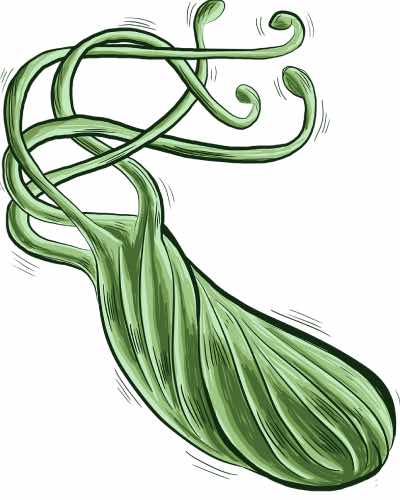
Helicobacter pylori (H. pylori) is a common bacteria that infects the stomach lining. It affects millions of people worldwide and it is suggested that 50% of the world’s population have this bacteria in their gut.  While not always causing symptoms, this infection can lead to various gastrointestinal issues. Those can include gastritis, peptic ulcers, and even stomach cancer if left untreated. However, there’s promising evidence suggesting that adopting a healthy diet may help mitigate the risks associated with H. pylori infection.

Understanding Helicobacter Pylori (H Pylori)

Bacteria

H. pylori is a spiral-shaped bacterium that thrives in the mucous layer lining the stomach. It’s primarily transmitted through contaminated food, water, or direct contact with an infected person. Once inside the body, it can weaken the stomach’s protective lining, and increase the risk of inflammation and ulcer formation.

While many people with this infection remain asymptomatic, some may experience symptoms. They can include abdominal pain, bloating, nausea, vomiting, and unintentional weight loss. Long-term infection can lead to more severe complications. These include peptic ulcers and an increased risk of stomach cancer, particularly in individuals with a family history or other risk factors.

The Role of Diet in Managing H. pylori Infection

While antibiotics are typically prescribed to eradicate H. pylori, researchers are increasingly exploring the role of diet in managing the infection and reducing associated risks. Although diet alone may not eliminate the bacteria, certain food choices can help support overall stomach health. Choosing such foods can minimise inflammation, potentially aiding in the management of H. pylori-related symptoms.

Incorporating Antioxidant-Rich Foods

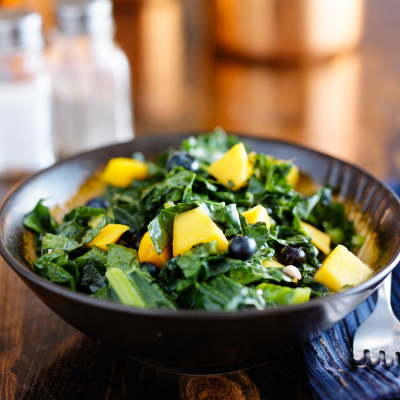
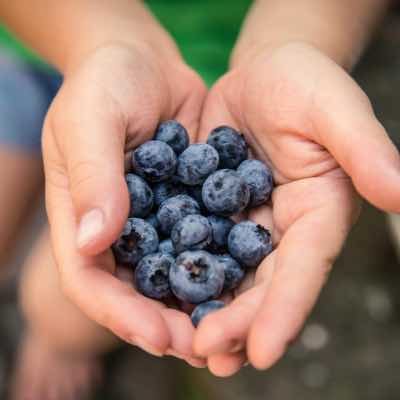
Antioxidants are compounds that help protect the body from oxidative stress and inflammation. Including plenty of antioxidant-rich foods in your diet may help combat the damage caused by H. pylori and support stomach health. Foods such as berries, leafy greens, nuts, seeds, and colourful fruits and vegetables are excellent sources of antioxidants and should be incorporated into your daily meals. As part of a healthy diet, you should also be aiming to eat 30 different types of fruit, vegetables, nuts, seeds and pulses a week

Hands holding blueberries

Probiotic Foods

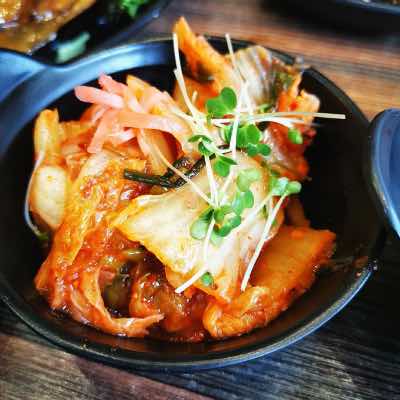
A dish of korean food

Probiotics are beneficial bacteria that can help promote a healthy gut microbiome. Consuming probiotic-rich foods like yogurt, kefir, sauerkraut, and kimchi can help restore balance to the gut flora disrupted by this infection. Probiotics may also help alleviate gastrointestinal symptoms and support the body’s natural defence mechanisms against harmful bacteria.

Limiting Acidic and Spicy Foods

While certain foods can support stomach health, others may exacerbate H. pylori-related symptoms. Acidic foods like citrus fruits, tomatoes, and vinegar, as well as spicy foods, can irritate the stomach lining in vulnerable individuals and worsen symptoms such as heartburn and indigestion. Limiting these foods or consuming them in moderation may help alleviate discomfort associated with H. pylori infection

Choosing Whole, Nutrient-Dense Foods

A diet rich in whole, nutrient-dense foods provides essential vitamins, minerals, and phytonutrients that support overall health and immunity. Choose whole grains, lean proteins, healthy fats, and plenty of fruits and vegetables to ensure your body receives the nutrients it needs to combat H. pylori infection and maintain optimal digestive function.

Happy little ethnic girl having fun with faceless mother showing V sign during lunch

Conclusion

While diet alone cannot eradicate H. pylori infection, making healthy dietary choices can play a significant role in managing symptoms, reducing inflammation, and supporting overall stomach health. By incorporating antioxidant-rich foods, probiotics, and whole, nutrient-dense foods into your diet while limiting acidic and spicy foods, you can help mitigate the risks associated with H. pylori infection and promote a healthy digestive system for years to come. As always, it’s essential to consult with a healthcare professional for personalised advice and treatment options. If you suspect you have an H. pylori infection or experience persistent gastrointestinal symptoms.

Three bottles of kombucha

For more information or to book a consultation please get in touch rebeccajfarrington@icloud.com

Embracing Intuitive Eating – A path to empowerment for women

In a world that bombards women with countless diets and unrealistic beauty standards, the concept of intuitive eating emerges as a beacon of liberation and empowerment. Intuitive eating is not just another diet trend; it’s a philosophy that encourages women to reconnect with their bodies, trust their instincts, and cultivate a healthy relationship with food. Embracing intuitive eating really can be a game-changer for women.

What is intuitive eating?

Happy little ethnic girl having fun with faceless mother showing V sign during lunch

At its core, intuitive eating is about honouring your body’s hunger and fullness cues without judgment or restriction. It’s about listening to your body’s wisdom and embracing it rather than external rules or societal pressures. For women who have spent years battling diets and obsessing over calorie counts, intuitive eating offers a refreshing alternative—a return to self-trust and self-care.

One of the fundamental principles of intuitive eating is rejecting the diet mentality. This means letting go of the idea that certain foods are “good” or “bad” and instead focusing on nourishing your body in a way that feels satisfying and sustainable. For many women, this shift in mindset can be incredibly empowering, freeing them from the cycle of guilt and shame that often accompanies restrictive eating habits.

Tune in to your body

Another key aspect of intuitive eating is learning to tune into your body’s hunger and fullness signals. This requires mindfulness and self-awareness, as well as a willingness to let go of external food rules and restrictions. By learning to honour your hunger and respect your fullness, you can develop a healthier and more balanced relationship with food.

Intuitive eating also encourages women to explore the emotional and psychological aspects of their eating habits. It’s about recognising that food serves many purposes beyond just fueling our bodies—it can also provide comfort, pleasure, and social connection. By acknowledging and addressing these emotional factors, women can develop a more holistic approach to eating that nourishes both body and soul.

Embrace your body

Ultimately, intuitive eating is about reclaiming ownership of your body and your health. It’s about rejecting the notion that your worth is determined by your weight or your ability to conform to societal beauty standards. Instead, it’s about embracing your body’s unique needs and trusting yourself to make choices that support your well-being.

Feel empowered

In a world that often seeks to dictate how women should look and what they should eat, intuitive eating offers a powerful alternative—a path to empowerment, self-acceptance, and freedom. By tuning into their bodies and trusting their instincts, women can reclaim control over their health and discover a newfound sense of confidence and vitality.

To find out more information on how I can help you with your diet and lifestyle please get in touch rebeccajfarrington@icloud.com

Woman Holding Pink Heart Pillow

30 A Week

You may have heard this phrase recently. But what is it and why does it matter?

What is 30 a week?

Thirty a week is the most recent recommendations for eating fruit/vegetables/nuts and seeds and pulses. Old government guidelines suggested ‘5 a day‘ but that didn’t necessarily mean that you were getting a varied selection of plant based food. You could, for example, eat the same five things every day of the week and that wouldn’t be a varied or healthy diet.

What foods count?

Included in the things that you can include are perhaps some surprises. Coffee and tea can be included, as can dried herbs and spices. Each food can only be included once, so if you have tea each day you don’t log it every day, just the once! All fruit and vegetables count, as do chickpeas, lentils, bulgur wheat and quinoa……even dark chocolate over 70% counts as it’s plant based and contains polyphenols.

Smooties With Berries

Quick hacks to 30 a week

It might seem quite daunting at first glance, but it’s actually much easier than you might think. Here are some great ways to help you get to the 30 a week

Nuts and Seeds

Nuts and Seeds

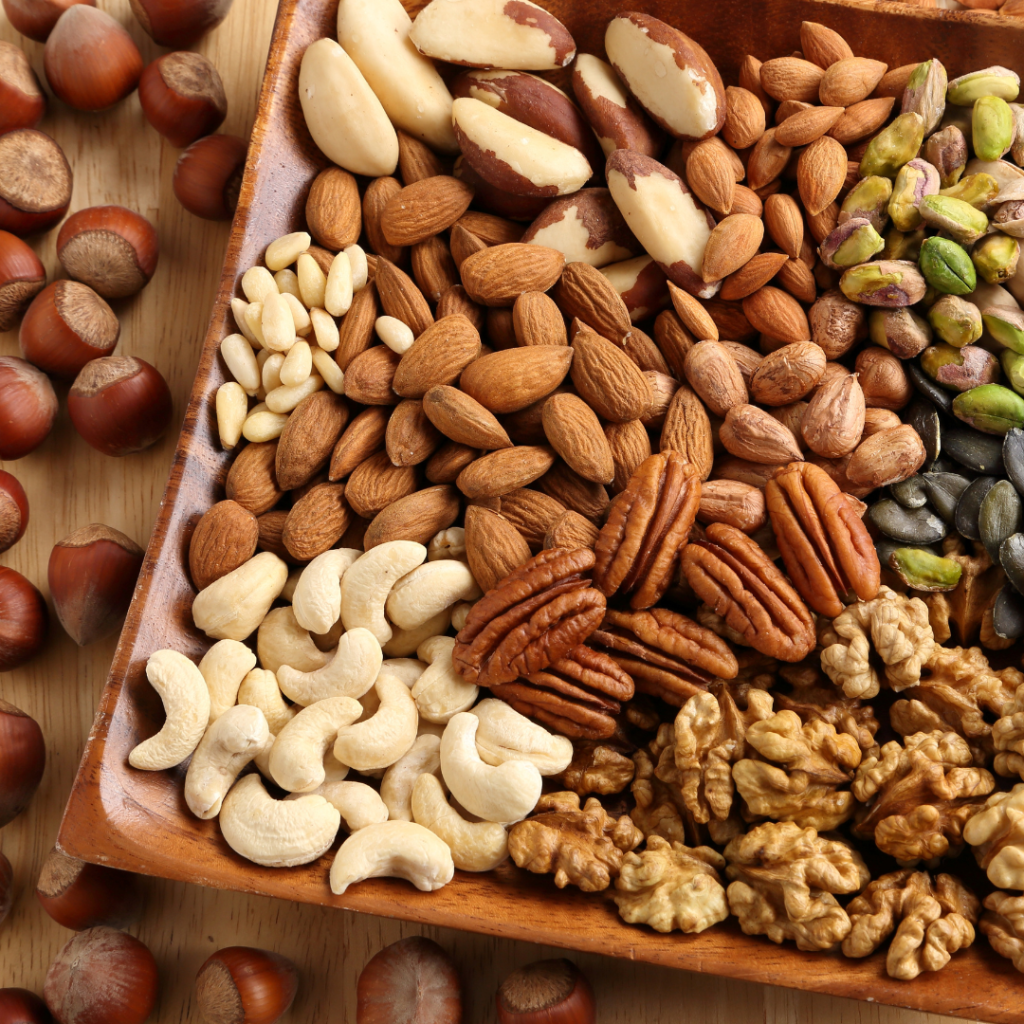
Sprinkling nuts and seeds on your food is an easy way to increase your 30 a week total. You can either buy a ready made selection (available in most supermarkets) or make your own. Add to breakfast cereals, salads and side dishes and use every day if you can. You’ll also be helping to improve your fibre intake as well as adding essential nutrients to your diet.

There are some great pre-made mixes that you can add to your food. Zoe do a great one that tastes lovely and will provide you with your 30 a week – Details here

Herbs and Spices

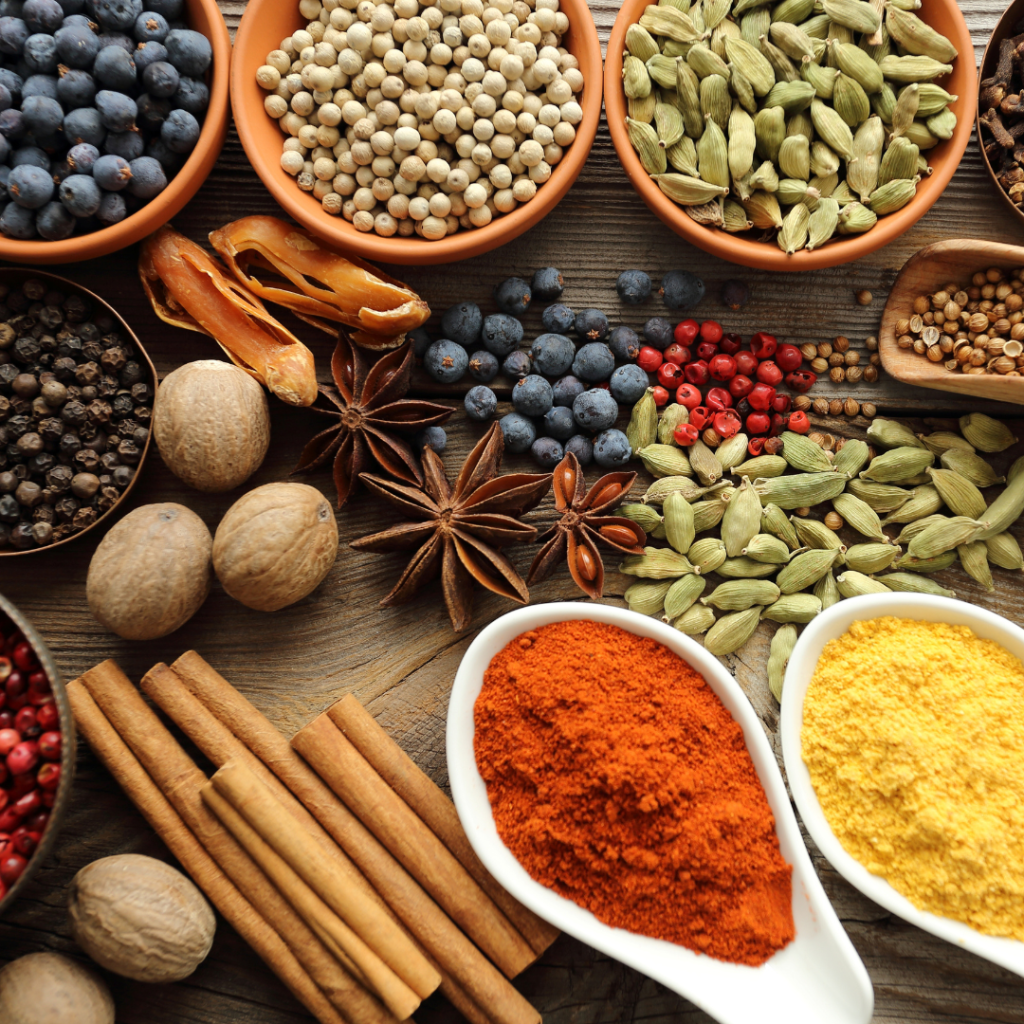
Herbs and spices each count towards your 30 a week, so you can see how easy it is to make a curry really count. Use ground spices and seeds to make your curry dishes from scratch and aim for at least five as your base. You also have your onion, garlic and fresh ginger that count, as does a tin of tomatoes and any extra veg that you put in your curry. Top it off with some fresh herbs and you can quite easily be heading to 20 ingredients in just one dish! Consider adding spices to other dishes too as many of them have some great anti-inflammatory properties too (I’m thinking turmeric for one).

Herbs and Spices

Salads

Mixed Salad

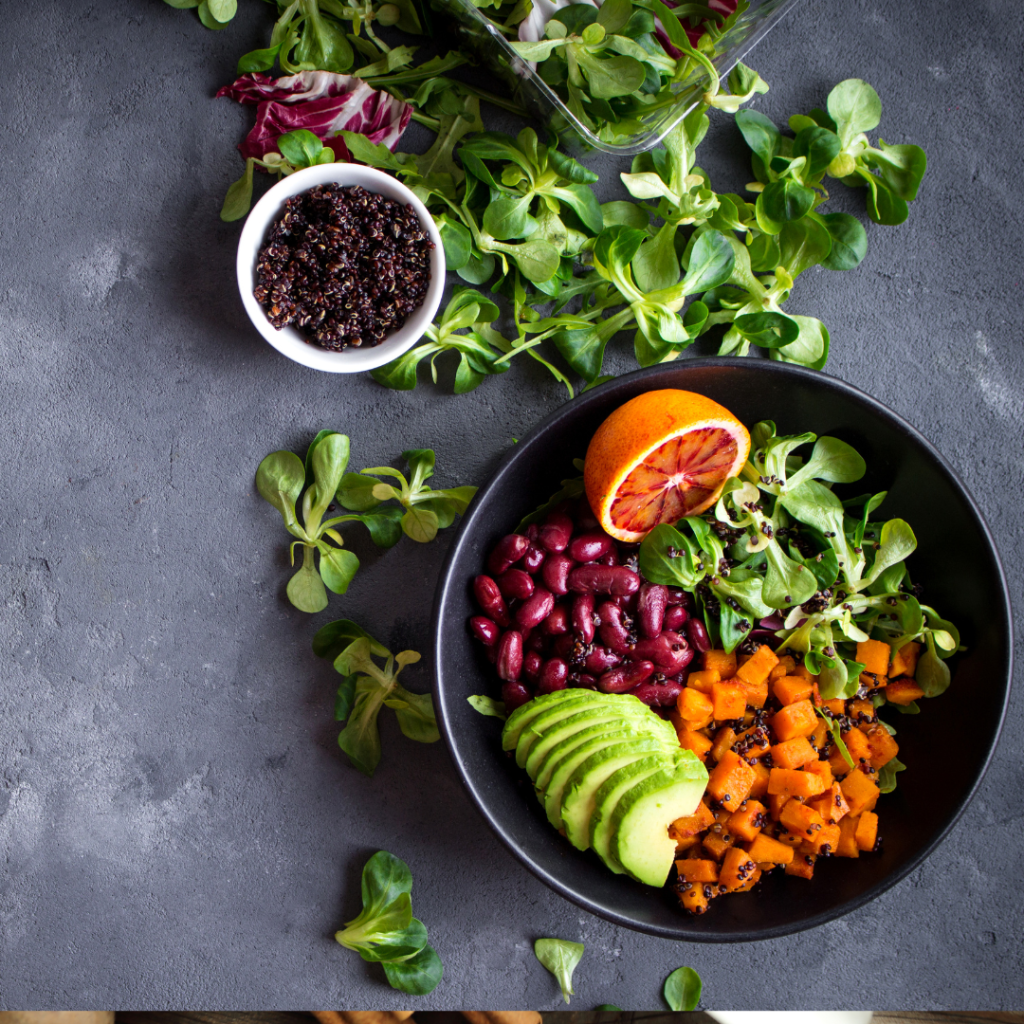
It may seem like an obvious one, but there are some simple ways to make your salad really counts towards your 30 a week. Consider switching Iceberg lettuce (the nations favourite, but in terms of nutrition it’s not a great choice) for mixed leaves. Each different salad leaf counts as a separate choice, so it makes sense to vary them as much as you can. Different colour onions all count as an option too, as do different colour peppers, radish etc. Swap lettuce leaves for kale, Cavalo Nero or chard to really supercharge your salad bowl. And adding a salad dressing that includes fermented Cider apple vinegar and olive oil (which both count) will also help your gut health. Win-Win!

Soup

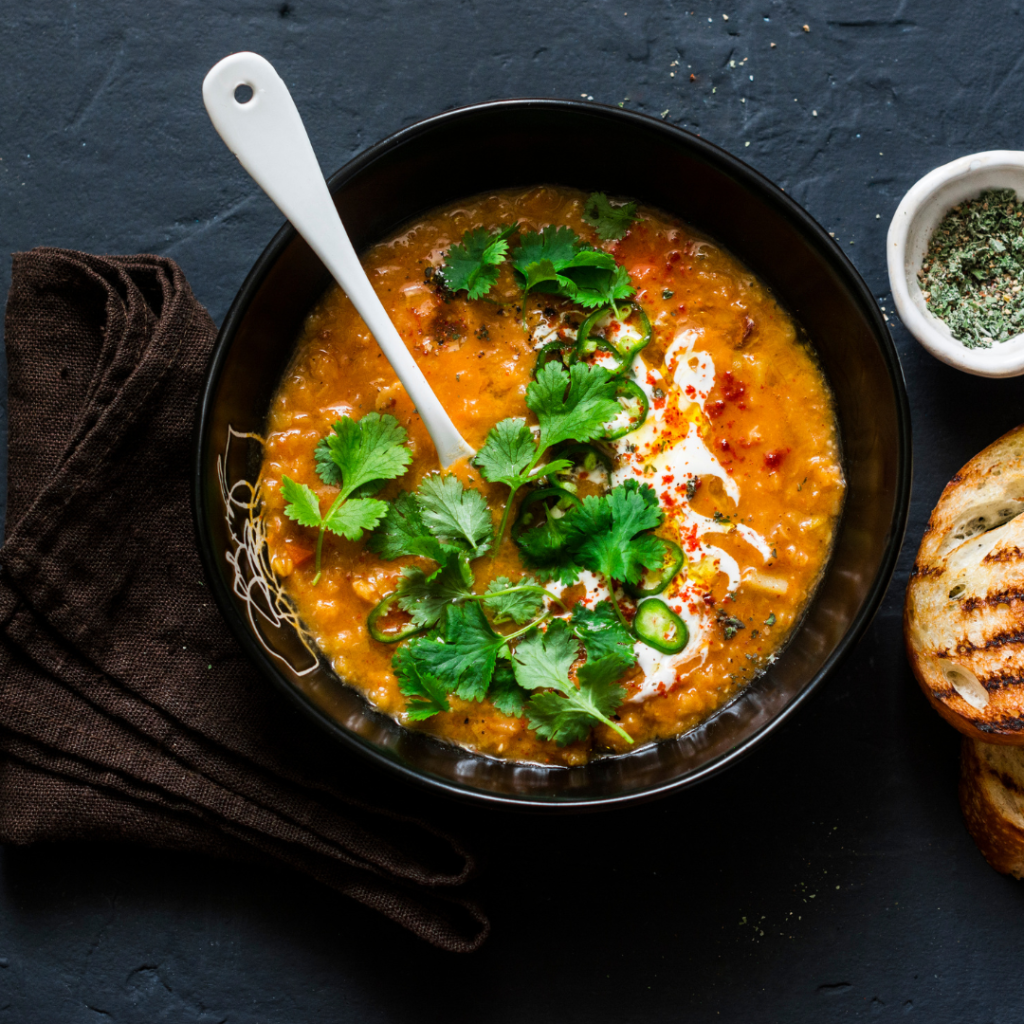
Soup is a fantastic way to increase your veg intake and a really nutritious dish to add to your weekly menu. Using tins of tomatoes, chickpeas and pulses can be a quick way of making soup, as are frozen vegetables. Both those options are equally as nutritious as fresh veg. So if you are strapped for time don’t feel guilty about taking the easy option. As well as a base of onions and garlic, try adding celery and chopped carrot to your base to increase veg in the dish without it affecting flavour too much. Again, think about adding some spices and topping off with fresh herbs. Have a look at my recipe page to get some recipe inspiration

Bowl of soup

For more information please email me on rebeccajfarrington@icloud.com