What is Fibremaxxing? – The Gut-Health Trend You Need to Know About

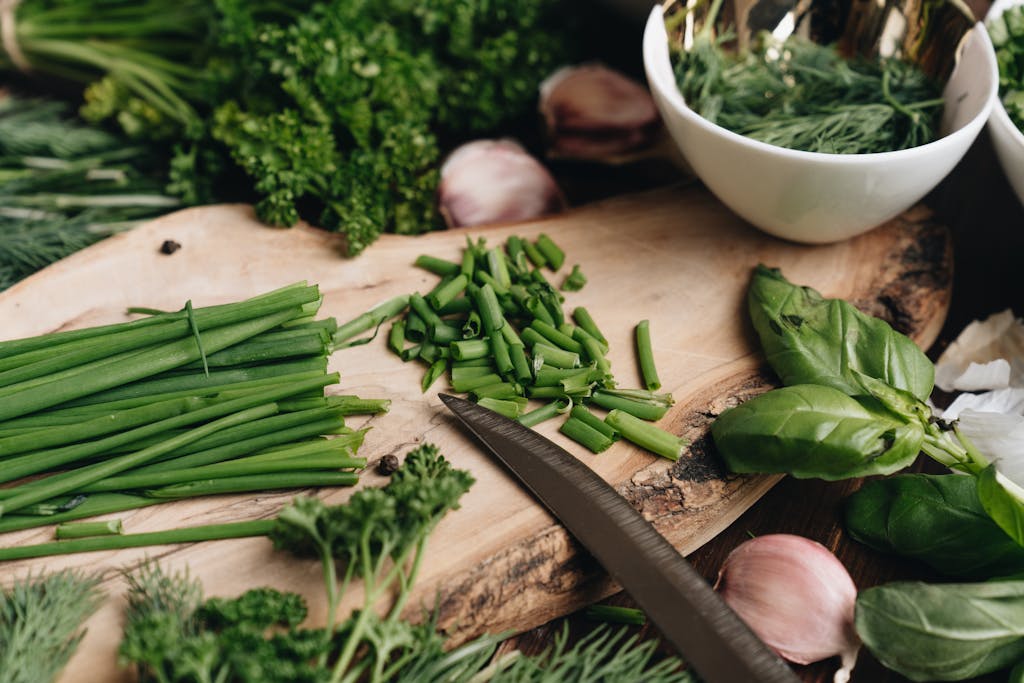
A vibrant still life of fresh herbs on a rustic wooden cutting board, perfect for culinary inspiration.

Why Insulin Resistance Increases as We Age – And What to Do About It


Inflammation

What is it and should I be worried?

Inflammation is a double-edged sword. On one hand, it’s your body’s natural response to injury or infection, helping to heal and protect. On the other hand, when inflammation sticks around too long, it can wreak havoc on your health. Let’s dive into why chronic inflammation is bad news and what you can do about it.

The Good and Bad of Inflammation

Inflammation is a double-edged sword. On one hand, it’s your body’s natural response to injury or infection, helping to heal and protect. On the other hand, when inflammation sticks around too long, it can wreak havoc on your health. Let’s dive into why chronic inflammation is bad news and what you can do about it.

First, let’s give inflammation some credit. Acute inflammation is that immediate, short-term response your body has to harm. Think of it as your body’s internal fire department rushing to put out a fire. It’s what happens when you scrape your knee or catch a cold – the redness, swelling, heat, and pain are all signs that your immune system is kicking into gear to repair and defend.

But what happens when that fire department doesn’t leave? Chronic inflammation is like having a low-grade fire smouldering in your body all the time. It can be sparked by various things – stress, poor diet, lack of exercise, or even long-term exposure to pollutants. Instead of helping, this constant state of alert can damage your cells and tissues..

The Impact of Chronic Inflammation

  1. Heart Problems: Chronic inflammation is a big player in heart disease. It can cause plaque buildup in your arteries, leading to atherosclerosis. These plaques can rupture, causing heart attacks or strokes. Not cool.
  2. Diabetes: Inflammation messes with your body’s ability to use insulin, which can lead to type 2 diabetes. High blood sugar levels damage your organs and nerves over time, making diabetes a serious issue.
  3. Cancer: Long-term inflammation can cause DNA damage, leading to uncontrolled cell growth and cancer. Conditions like ulcerative colitis and hepatitis are linked to higher cancer risks in the colon and liver, respectively.
  4. Autoimmune Diseases: Diseases like rheumatoid arthritis, lupus, and multiple sclerosis are marked by chronic inflammation. Here, your immune system gets confused and starts attacking your own tissues, causing persistent inflammation and pain.
  5. Brain Health: Inflammation in the brain is linked to neurodegenerative diseases like Alzheimer’s and Parkinson’s. It can damage brain cells and mess up communication pathways, contributing to memory loss and cognitive decline.
  6. Obesity: Fat cells, especially those around your belly, can release inflammatory chemicals. This can lead to a vicious cycle where inflammation makes it harder to lose weight, and excess weight leads to more inflammation.

Lifestyle Choices That Fuel Inflammation

Some everyday choices can stoke the flames of chronic inflammation:

  • Diet: Eating lots of processed foods, sugar, and unhealthy fats can trigger inflammation. On the flip side, a diet rich in fruits, veggies, whole grains, and healthy fats like omega-3s can help keep it in check.
  • Exercise: Regular physical activity helps reduce inflammation. A sedentary lifestyle does the opposite.
  • Stress: Chronic stress keeps your body in a constant state of alert, releasing stress hormones that promote inflammation. Finding ways to manage stress, like meditation, exercise, or hobbies, can make a big difference.
  • Smoking and Alcohol: Both smoking and heavy drinking increase inflammation and are linked to various inflammatory diseases.

How to Chill Out Chronic Inflammation

Reducing chronic inflammation is all about balance and healthy living. Here are some tips:

  • Eat a balanced diet: Focus on whole, unprocessed foods. Think colorful veggies, fruits, lean proteins, and healthy fats.
  • Stay active: Aim for at least 30 minutes of moderate exercise most days of the week. Even a daily walk can make a huge difference.
  • Manage stress: Incorporate stress-relief techniques into your routine, whether it’s yoga, meditation, or just spending time doing things you love.
  • Avoid smoking and limit alcohol: Quitting smoking and drinking alcohol in moderation can significantly reduce inflammation.

Understanding and managing chronic inflammation can help you live a healthier, happier life. By making a few lifestyle changes, you can keep the fires of inflammation under control and protect your long-term health.

Woman doing yoga at sunset
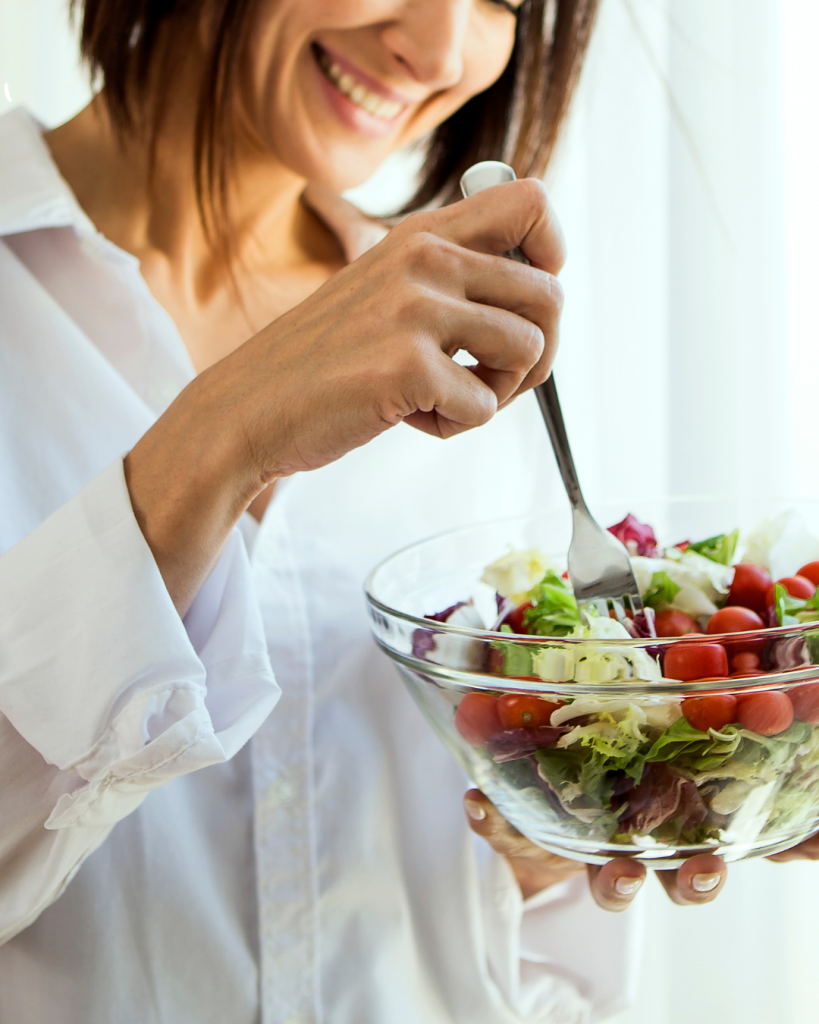
Woman eating a bowl of salad
woman running

Leptin: What is it and why does it matter?

When it comes to managing weight, most of us think about calories, exercise, or the latest diet trends. We don’t often think of Leptin? But this hormone could be the unsung hero (or villain) in your weight journey.

Let’s look at it in a bit more detail. Leptin is a hormone produced by your fat cells, and its main job is to communicate with your brain, specifically a part of your brain called the hypothalamus. Think of leptin as the messenger that tells your brain how much energy you’ve stored in your fat reserves. When everything is working as it should, leptin helps your body maintain balance, also known as “homeostasis.”

How Leptin Works

Imagine your body is like a bank account. Instead of money, though, you’re dealing with energy. When you’ve got plenty of energy stored (i.e., body fat), your fat cells release leptin. This signals to your brain to ease off the hunger and boost your calorie burn. It’s like your brain saying, “It’s fine, no need to stock up on snacks right now.”

But if your energy reserves dip, say you’ve been dieting or skipping meals (or consuming a lot of ultra-processed food), your fat cells produce less leptin. This drop in leptin tells your brain to turn up the hunger dial and slow down your metabolism to conserve energy. Essentially, your body goes into survival mode, urging you to eat and hang on to every calorie for dear life.

Leptin Resistance: When Things Go Haywire

Here’s where it gets tricky. For many people, especially those struggling with weight gain or obesity, leptin’s signals get lost in translation. This is called leptin resistance.

When you are leptin-resistant, your brain doesn’t “hear” leptin’s message, even though your fat cells are producing plenty of it. It’s like shouting into a void—the message just doesn’t get through. So, your brain assumes you’re starving, and it cranks up hunger and slows down your metabolism, even if you’ve got more than enough energy stored. This can create a vicious cycle of overeating, weight gain, and frustration.

What Causes Leptin Resistance?

The exact causes of leptin resistance aren’t fully understood, but several factors seem to play a role:

  1. Chronic Inflammation: Inflammation, especially in the hypothalamus, can interfere with leptin signaling.
  2. High Fat and Sugar Diets: Consistently eating ultra-processed foods (UPF) can interfere with leptin’s ability to do its job.
  3. Poor Sleep: Lack of sleep disrupts many hormones, including leptin, making it harder for your brain to regulate hunger and metabolism.
  4. Stress: High cortisol levels (your stress hormone) can also throw leptin off balance

So what can you do?

The good news? Leptin resistance isn’t a life sentence. While there’s no magic pill, making some lifestyle tweaks can help restore balance:

  1. Focus on Whole Foods: Swap out processed snacks for fruits, veggies, lean proteins, and healthy fats. These foods are less likely to cause inflammation and help regulate blood sugar levels.
  2. Prioritise Sleep: Aim for 7-9 hours of quality sleep a night. Your body’s hormones need rest to stay in tune.
  3. Exercise Regularly: Movement, especially strength training, can improve leptin sensitivity and overall metabolic health.
  4. Manage Stress: Easier said than done, right? But activities like breathing exercises, meditation, or even a daily walk can keep cortisol levels in check.
  5. Avoid Crash Dieting: Extreme calorie restriction can play havoc with your leptin levels, making it even harder to lose weight.

Why Leptin Matters for Women Over 40

If you’re a woman over 40, you might notice that weight management feels more challenging than it used to. That’s partly because hormonal shifts during perimenopause and menopause can affect how your body produces and responds to leptin. It’s even more reason to pay attention to your sleep, diet, and stress levels.

Conclusion

Leptin is like the backstage crew of your weight management show. You might not see it, but it’s working hard to keep things running smoothly. If you’ve been struggling with weight despite your best efforts, it could be worth considering how well your leptin is doing its job. Small changes can make a big difference!

Edamame Bean Salad

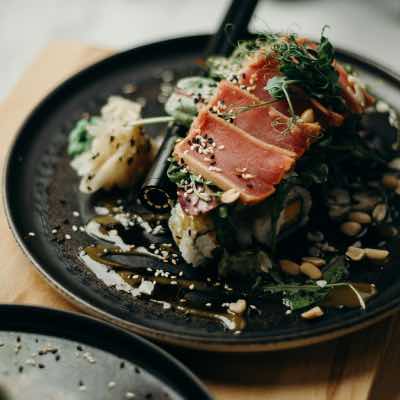
Tuna salad with edamame beans

This recipe for edamame bean is a firm favourite in my household. Packed with polyphenols it’s brilliant for your gut and, of course, it tastes great too. I often use it as a side dish to a main meal, or I just add it as a salad topper. For a special treat serve with seared tuna or salmon. It gets even better after a few days so it’s the perfect fridge stand-by.

Ingredients

  • Edamame Salad:
  • 2 cups frozen edamame, thawed
  • 1 cup snap peas, sliced
  • 2 tablespoons fresh coriander
  • 2 teaspoons sesame seeds or mixed seeds
  • Ginger Sesame Dressing:
  • 1 tablespoon sesame oil
  • 1 tablespoon lime juice
  • 1 tablespoon soy sauce, or tamari
  • 1 tablespoon honey
  • 1/2” inch fresh ginger, grated
  • 2 cloves of garlic, peeled and chopped
  • Fresh coriander

Method

In a small bowl or jar, add dressing ingredients, whisk together until combined and set aside.

In a large bowl, combine the edamame, snap peas and coriander

Drizzle the salad with the dressing and toss again to ensure everything is well coated.

Taste the salad, season with additional sea salt and pepper to taste and sprinkle with sesame seeds to serve.

The salad can be served immediately or stored in an airtight container in the fridge for up to 3 days.

Helicobacter Pylori (H Pylori): Reducing Risks with a Healthy Diet

Introduction

Helicobacter pylori (H. pylori) is a common bacteria that infects the stomach lining. It affects millions of people worldwide and it is suggested that 50% of the world’s population have this bacteria in their gut.  While not always causing symptoms, this infection can lead to various gastrointestinal issues. Those can include gastritis, peptic ulcers, and even stomach cancer if left untreated. However, there’s promising evidence suggesting that adopting a healthy diet may help mitigate the risks associated with H. pylori infection.

Understanding Helicobacter Pylori (H Pylori)

Bacteria

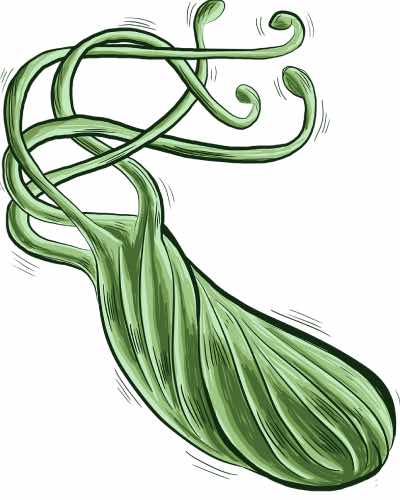
H. pylori is a spiral-shaped bacterium that thrives in the mucous layer lining the stomach. It’s primarily transmitted through contaminated food, water, or direct contact with an infected person. Once inside the body, it can weaken the stomach’s protective lining, and increase the risk of inflammation and ulcer formation.

While many people with this infection remain asymptomatic, some may experience symptoms. They can include abdominal pain, bloating, nausea, vomiting, and unintentional weight loss. Long-term infection can lead to more severe complications. These include peptic ulcers and an increased risk of stomach cancer, particularly in individuals with a family history or other risk factors.

The Role of Diet in Managing H. pylori Infection

While antibiotics are typically prescribed to eradicate H. pylori, researchers are increasingly exploring the role of diet in managing the infection and reducing associated risks. Although diet alone may not eliminate the bacteria, certain food choices can help support overall stomach health. Choosing such foods can minimise inflammation, potentially aiding in the management of H. pylori-related symptoms.

Incorporating Antioxidant-Rich Foods

Antioxidants are compounds that help protect the body from oxidative stress and inflammation. Including plenty of antioxidant-rich foods in your diet may help combat the damage caused by H. pylori and support stomach health. Foods such as berries, leafy greens, nuts, seeds, and colourful fruits and vegetables are excellent sources of antioxidants and should be incorporated into your daily meals. As part of a healthy diet, you should also be aiming to eat 30 different types of fruit, vegetables, nuts, seeds and pulses a week

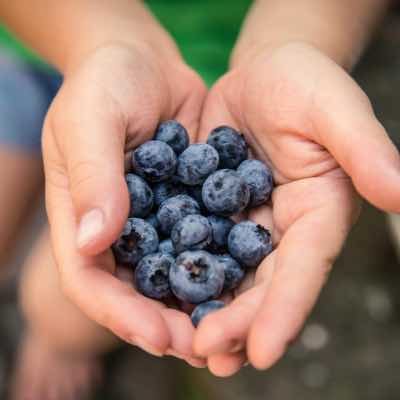
Hands holding blueberries

Probiotic Foods

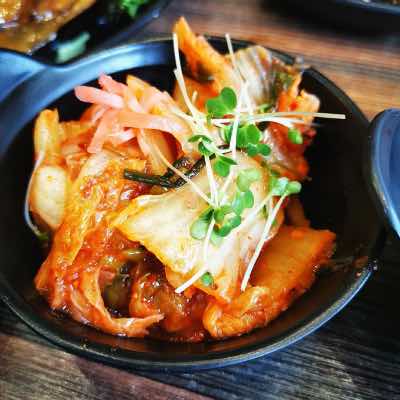
A dish of korean food

Probiotics are beneficial bacteria that can help promote a healthy gut microbiome. Consuming probiotic-rich foods like yogurt, kefir, sauerkraut, and kimchi can help restore balance to the gut flora disrupted by this infection. Probiotics may also help alleviate gastrointestinal symptoms and support the body’s natural defence mechanisms against harmful bacteria.

Limiting Acidic and Spicy Foods

While certain foods can support stomach health, others may exacerbate H. pylori-related symptoms. Acidic foods like citrus fruits, tomatoes, and vinegar, as well as spicy foods, can irritate the stomach lining in vulnerable individuals and worsen symptoms such as heartburn and indigestion. Limiting these foods or consuming them in moderation may help alleviate discomfort associated with H. pylori infection

Choosing Whole, Nutrient-Dense Foods

A diet rich in whole, nutrient-dense foods provides essential vitamins, minerals, and phytonutrients that support overall health and immunity. Choose whole grains, lean proteins, healthy fats, and plenty of fruits and vegetables to ensure your body receives the nutrients it needs to combat H. pylori infection and maintain optimal digestive function.

Happy little ethnic girl having fun with faceless mother showing V sign during lunch

Conclusion

While diet alone cannot eradicate H. pylori infection, making healthy dietary choices can play a significant role in managing symptoms, reducing inflammation, and supporting overall stomach health. By incorporating antioxidant-rich foods, probiotics, and whole, nutrient-dense foods into your diet while limiting acidic and spicy foods, you can help mitigate the risks associated with H. pylori infection and promote a healthy digestive system for years to come. As always, it’s essential to consult with a healthcare professional for personalised advice and treatment options. If you suspect you have an H. pylori infection or experience persistent gastrointestinal symptoms.

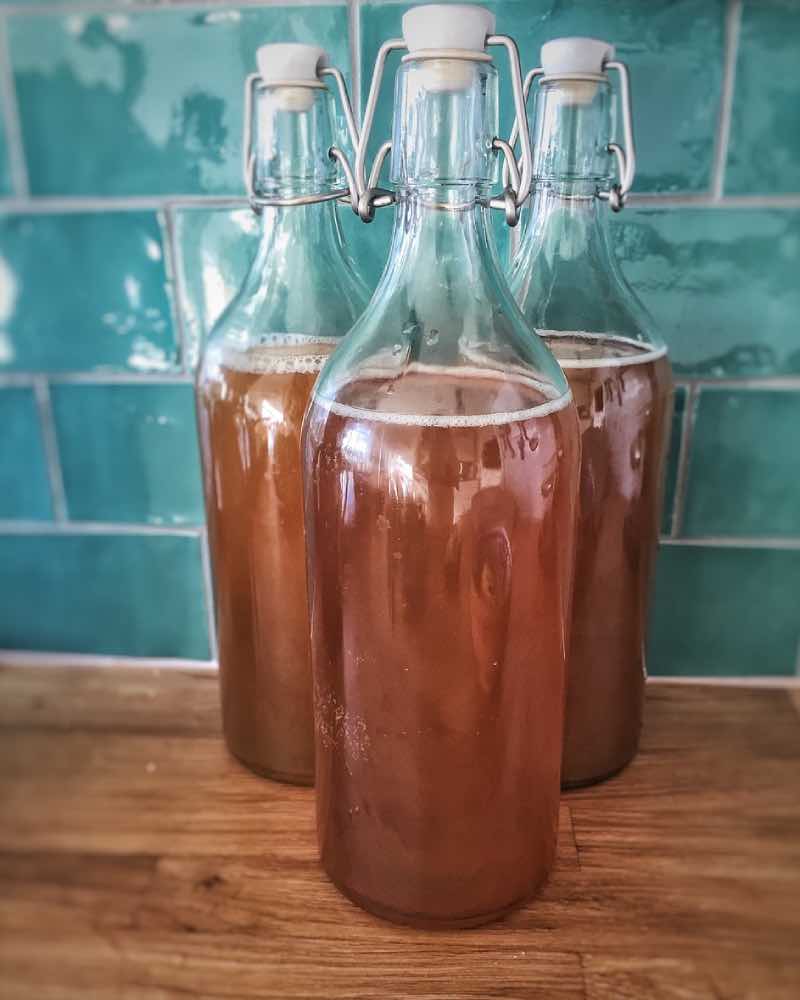
Three bottles of kombucha

For more information or to book a consultation please get in touch rebeccajfarrington@icloud.com

Embracing Intuitive Eating – A path to empowerment for women

In a world that bombards women with countless diets and unrealistic beauty standards, the concept of intuitive eating emerges as a beacon of liberation and empowerment. Intuitive eating is not just another diet trend; it’s a philosophy that encourages women to reconnect with their bodies, trust their instincts, and cultivate a healthy relationship with food. Embracing intuitive eating really can be a game-changer for women.

What is intuitive eating?

Happy little ethnic girl having fun with faceless mother showing V sign during lunch

At its core, intuitive eating is about honouring your body’s hunger and fullness cues without judgment or restriction. It’s about listening to your body’s wisdom and embracing it rather than external rules or societal pressures. For women who have spent years battling diets and obsessing over calorie counts, intuitive eating offers a refreshing alternative—a return to self-trust and self-care.

One of the fundamental principles of intuitive eating is rejecting the diet mentality. This means letting go of the idea that certain foods are “good” or “bad” and instead focusing on nourishing your body in a way that feels satisfying and sustainable. For many women, this shift in mindset can be incredibly empowering, freeing them from the cycle of guilt and shame that often accompanies restrictive eating habits.

Tune in to your body

Another key aspect of intuitive eating is learning to tune into your body’s hunger and fullness signals. This requires mindfulness and self-awareness, as well as a willingness to let go of external food rules and restrictions. By learning to honour your hunger and respect your fullness, you can develop a healthier and more balanced relationship with food.

Intuitive eating also encourages women to explore the emotional and psychological aspects of their eating habits. It’s about recognising that food serves many purposes beyond just fueling our bodies—it can also provide comfort, pleasure, and social connection. By acknowledging and addressing these emotional factors, women can develop a more holistic approach to eating that nourishes both body and soul.

Embrace your body

Ultimately, intuitive eating is about reclaiming ownership of your body and your health. It’s about rejecting the notion that your worth is determined by your weight or your ability to conform to societal beauty standards. Instead, it’s about embracing your body’s unique needs and trusting yourself to make choices that support your well-being.

Feel empowered

In a world that often seeks to dictate how women should look and what they should eat, intuitive eating offers a powerful alternative—a path to empowerment, self-acceptance, and freedom. By tuning into their bodies and trusting their instincts, women can reclaim control over their health and discover a newfound sense of confidence and vitality.

To find out more information on how I can help you with your diet and lifestyle please get in touch rebeccajfarrington@icloud.com

Woman Holding Pink Heart Pillow

Managing Menopause

A Guide to Healthy Eating for Women

Welcome to a new chapter in a woman’s life – menopause. This natural transition brings about various changes, both physical and emotional, and it’s essential to support your body through this journey. One powerful way to do so is through healthy eating. In this blog, I’ll explore the connection between nutrition and menopause, offering valuable insights and practical tips to help you navigate this phase with grace and vitality.

Understanding menopause

Before delving into the world of nutrition, let’s take a moment to understand what menopause is and how it affects the body. Menopause marks the end of a woman’s reproductive years, typically occurring in her late 40s or early 50s. Hormonal changes, specifically a decline in estrogen levels, contribute to various symptoms like hot flashes, mood swings, and changes in metabolism. A well-balanced diet can play a crucial role in managing these symptoms and promoting overall well-being.

Elderly Woman Sitting By The Table With A Cup Of Coffee

Key Nutrients for Menopausal Health

  1. Calcium and Vitamin D: With the risk of osteoporosis increasing during menopause, it’s crucial to maintain strong bones. Incorporate dairy products, leafy greens, and fortified foods into your diet.
  2. Omega-3 Fatty Acids: These healthy fats found in fatty fish, flaxseeds, and walnuts can help reduce inflammation, support heart health, and alleviate mood swings.
  3. Fiber-Rich Foods: Combat digestive issues and weight gain by incorporating whole grains, fruits, vegetables, and legumes into your meals.
  4. Antioxidants: Combat oxidative stress with a variety of colorful fruits and vegetables, rich in vitamins A, C, and E.
  5. Lean Proteins: Ensure a steady supply of protein from sources like lean meats, tofu, and legumes to support muscle mass and metabolism.

Foods to Include in Your Diet

  1. Soy-based Products: Containing phytoestrogens, soy products like tofu and soy milk may help alleviate hot flashes and other symptoms.
  2. Flaxseeds: Rich in lignans, flaxseeds have been linked to a reduction in hot flashes and improved cardiovascular health.
  3. Fruits and Vegetables: Packed with vitamins, minerals, and fiber, these foods support overall health and help manage weight.
  4. Probiotics: Incorporate yogurt, kefir, or fermented foods to support gut health and maintain a healthy weight.

Lifestyle Tips for Menopausal Well-being

  1. Hydration: Stay well-hydrated to combat common menopausal symptoms like hot flashes and dry skin.
  2. Regular Exercise: Engage in a mix of cardiovascular, strength, and flexibility exercises to support bone health, manage weight, and improve mood.
  3. Mindful Eating: Pay attention to hunger and fullness cues, and savor each bite. This can help prevent overeating and promote healthy digestion.

Conclusion:

Menopause is a natural phase in a woman’s life, and by embracing a healthy eating approach, you can empower yourself to navigate it with vitality and well-being. Remember, small changes in your diet and lifestyle can make a significant impact on how you experience menopause. Listen to your body, nourish it with wholesome foods, and embark on this journey with a sense of empowerment and self-care.

To find out how I can help please get in touch rebeccajfarrington@icloud.com

Woman Holding Pink Heart Pillow

30 A Week

You may have heard this phrase recently. But what is it and why does it matter?

What is 30 a week?

Thirty a week is the most recent recommendations for eating fruit/vegetables/nuts and seeds and pulses. Old government guidelines suggested ‘5 a day‘ but that didn’t necessarily mean that you were getting a varied selection of plant based food. You could, for example, eat the same five things every day of the week and that wouldn’t be a varied or healthy diet.

What foods count?

Included in the things that you can include are perhaps some surprises. Coffee and tea can be included, as can dried herbs and spices. Each food can only be included once, so if you have tea each day you don’t log it every day, just the once! All fruit and vegetables count, as do chickpeas, lentils, bulgur wheat and quinoa……even dark chocolate over 70% counts as it’s plant based and contains polyphenols.

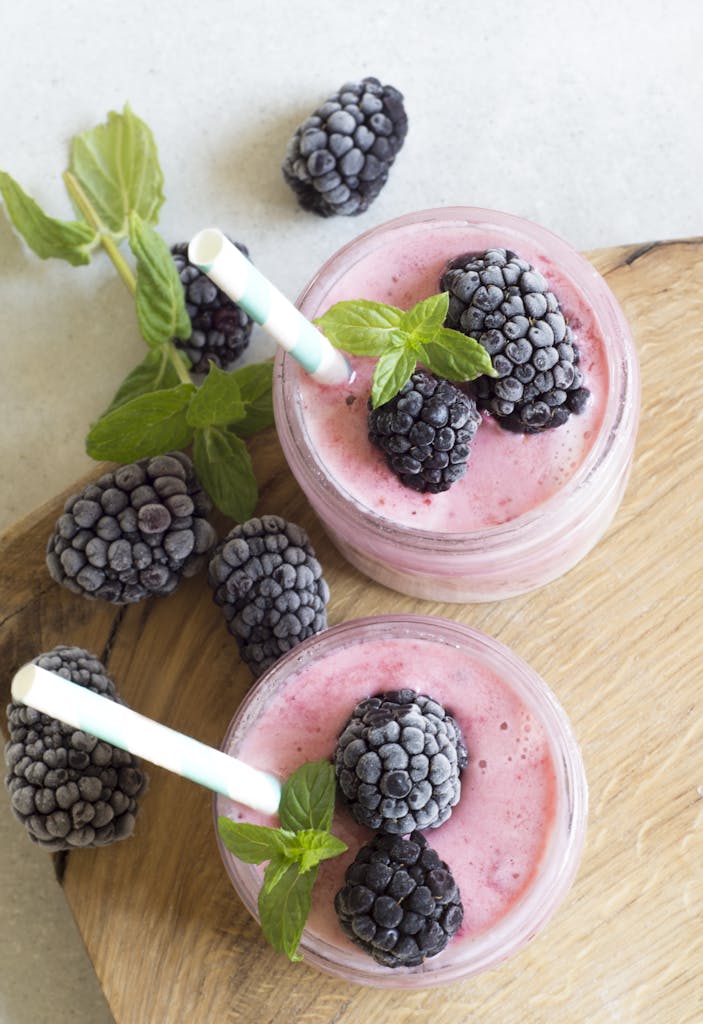
Smooties With Berries

Quick hacks to 30 a week

It might seem quite daunting at first glance, but it’s actually much easier than you might think. Here are some great ways to help you get to the 30 a week

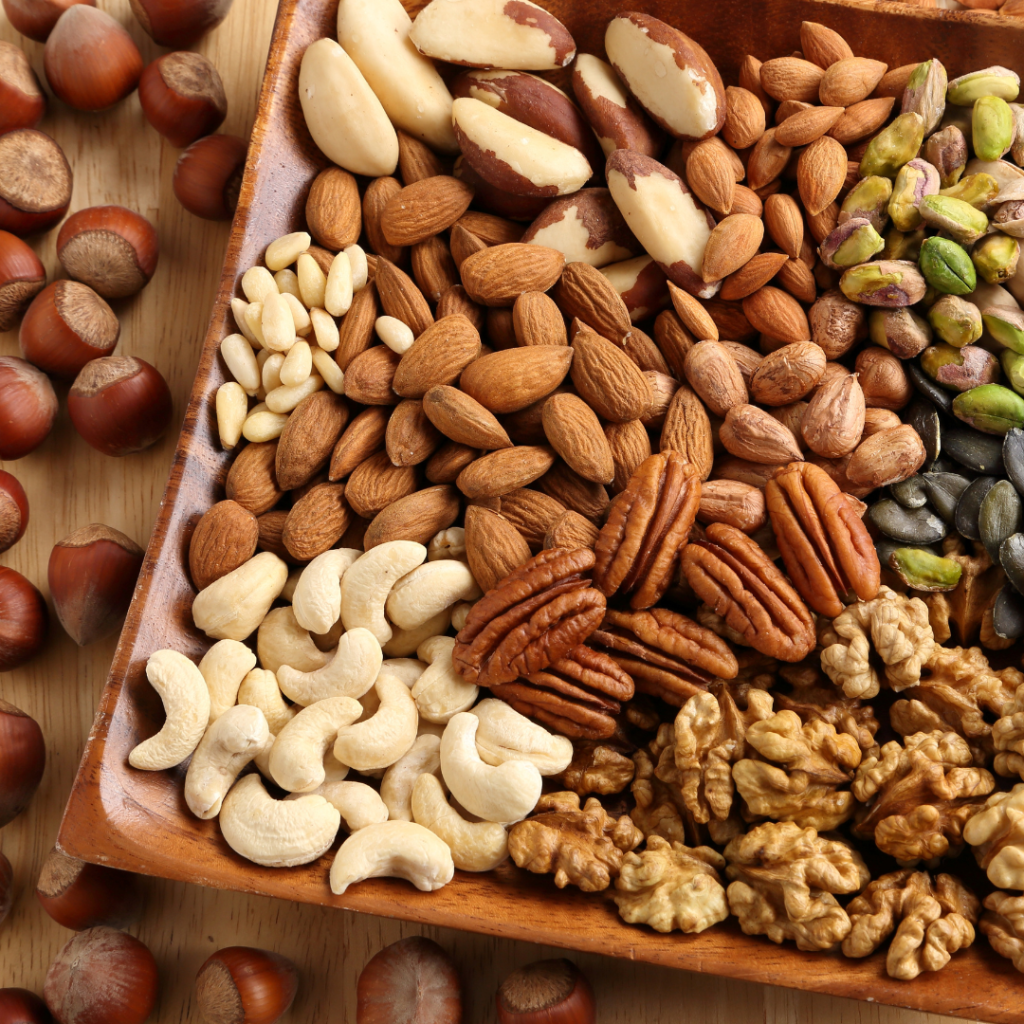
Nuts and Seeds

Nuts and Seeds

Sprinkling nuts and seeds on your food is an easy way to increase your 30 a week total. You can either buy a ready made selection (available in most supermarkets) or make your own. Add to breakfast cereals, salads and side dishes and use every day if you can. You’ll also be helping to improve your fibre intake as well as adding essential nutrients to your diet.

There are some great pre-made mixes that you can add to your food. Zoe do a great one that tastes lovely and will provide you with your 30 a week – Details here

Herbs and Spices

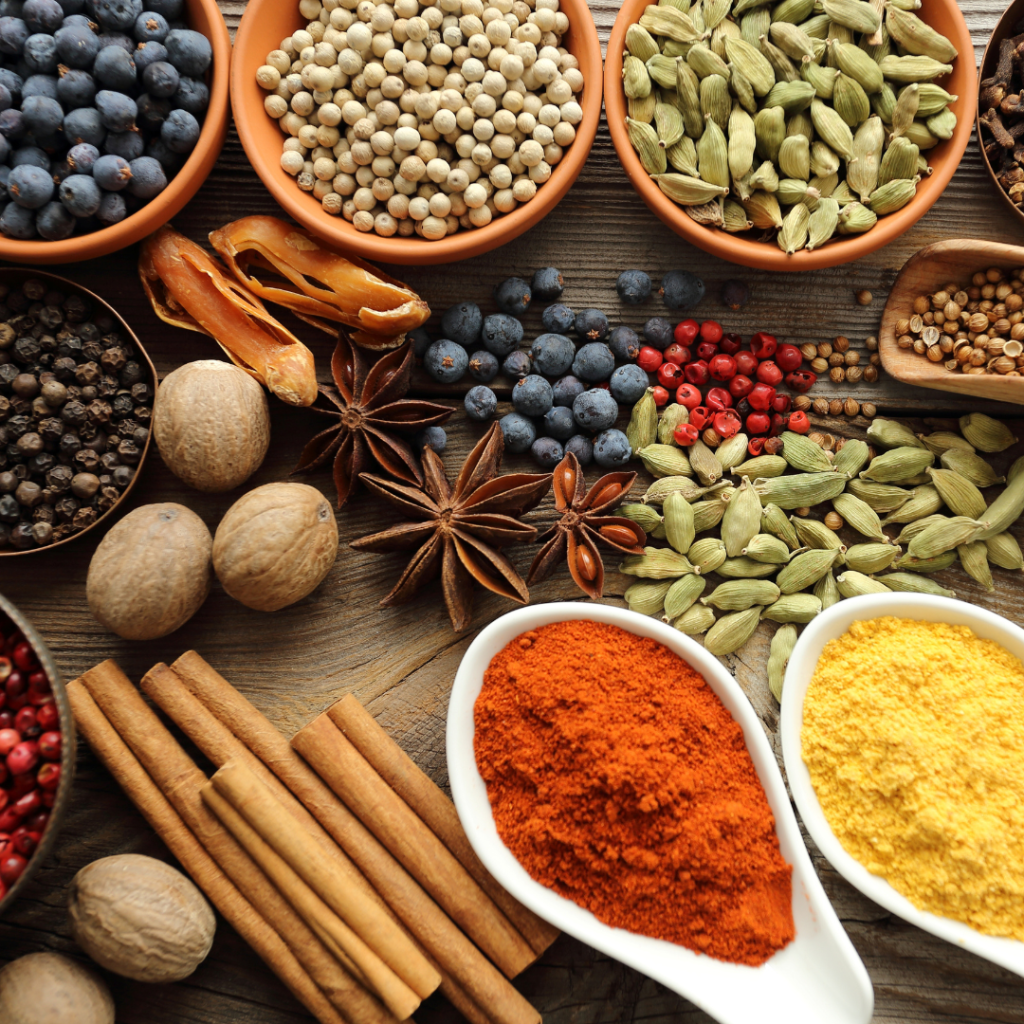
Herbs and spices each count towards your 30 a week, so you can see how easy it is to make a curry really count. Use ground spices and seeds to make your curry dishes from scratch and aim for at least five as your base. You also have your onion, garlic and fresh ginger that count, as does a tin of tomatoes and any extra veg that you put in your curry. Top it off with some fresh herbs and you can quite easily be heading to 20 ingredients in just one dish! Consider adding spices to other dishes too as many of them have some great anti-inflammatory properties too (I’m thinking turmeric for one).

Herbs and Spices

Salads

Mixed Salad

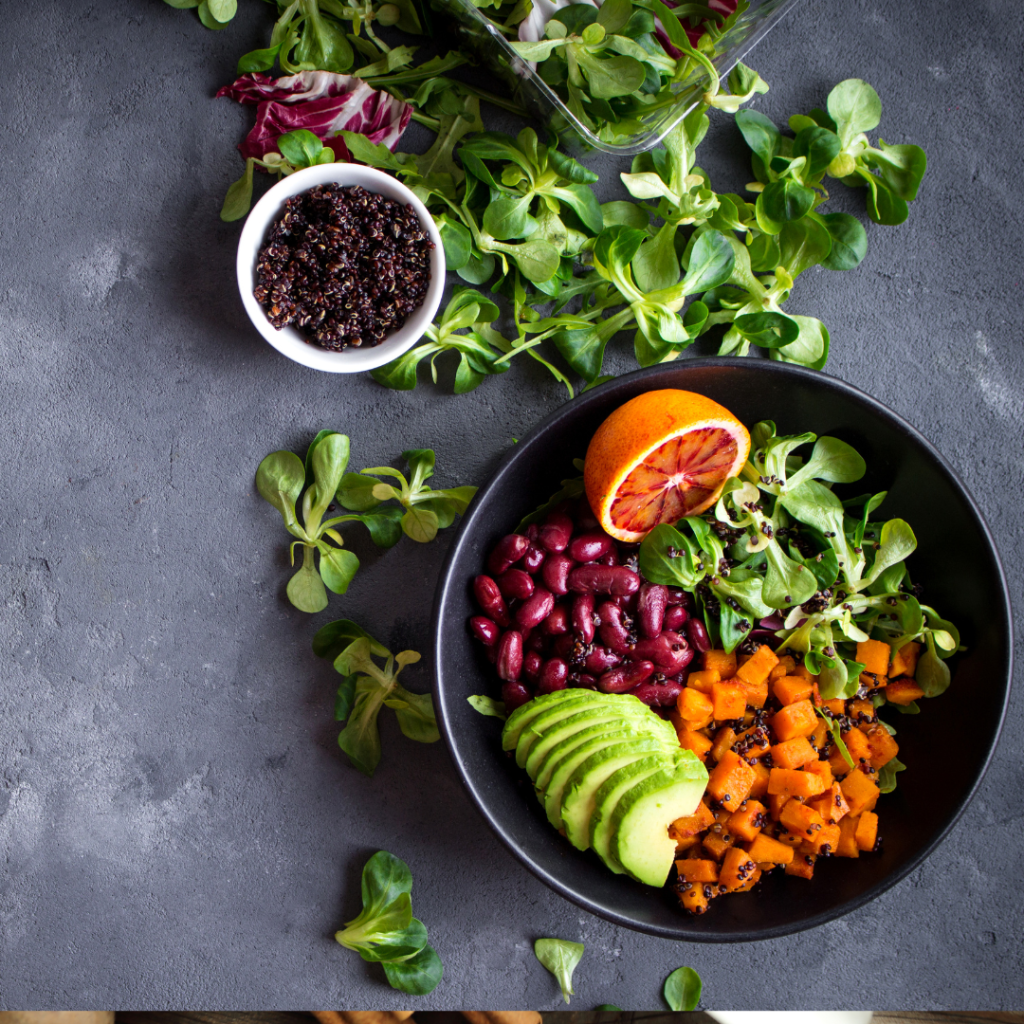
It may seem like an obvious one, but there are some simple ways to make your salad really counts towards your 30 a week. Consider switching Iceberg lettuce (the nations favourite, but in terms of nutrition it’s not a great choice) for mixed leaves. Each different salad leaf counts as a separate choice, so it makes sense to vary them as much as you can. Different colour onions all count as an option too, as do different colour peppers, radish etc. Swap lettuce leaves for kale, Cavalo Nero or chard to really supercharge your salad bowl. And adding a salad dressing that includes fermented Cider apple vinegar and olive oil (which both count) will also help your gut health. Win-Win!

Soup

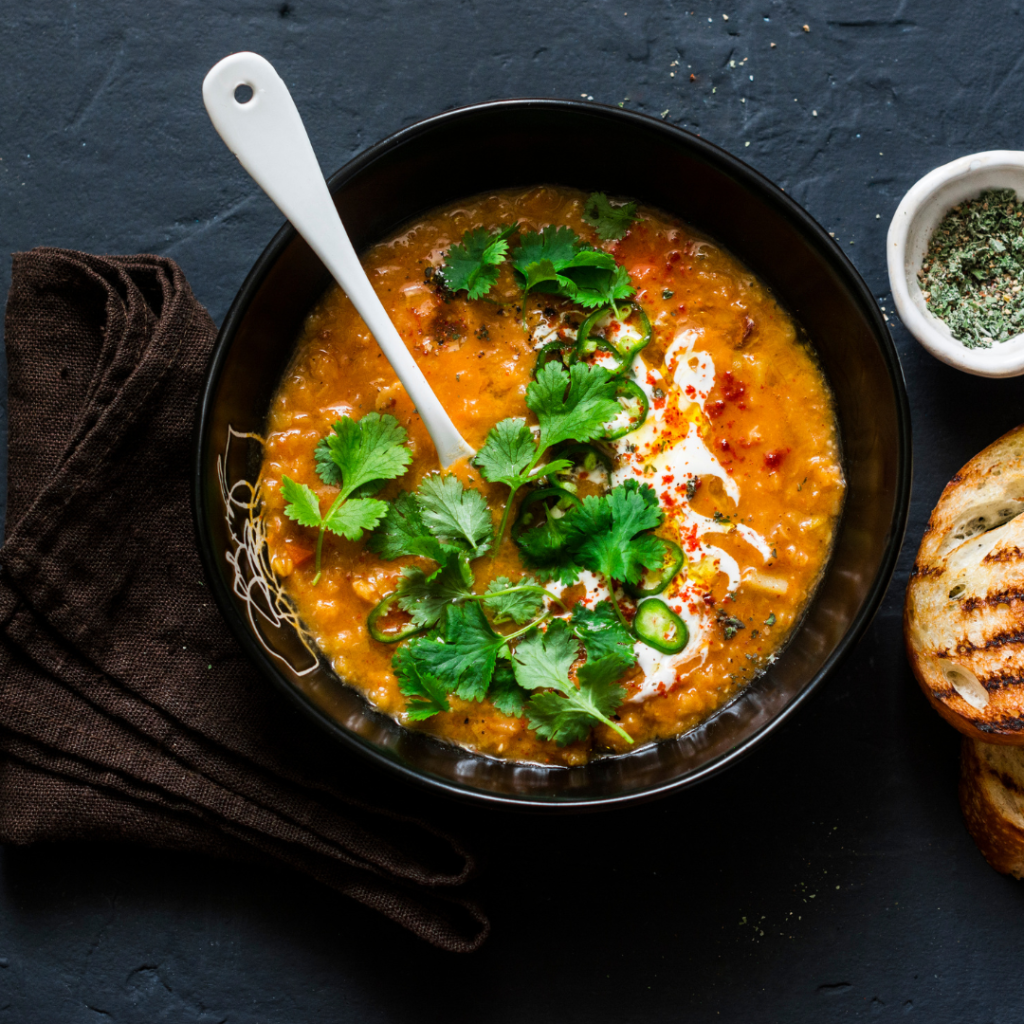
Soup is a fantastic way to increase your veg intake and a really nutritious dish to add to your weekly menu. Using tins of tomatoes, chickpeas and pulses can be a quick way of making soup, as are frozen vegetables. Both those options are equally as nutritious as fresh veg. So if you are strapped for time don’t feel guilty about taking the easy option. As well as a base of onions and garlic, try adding celery and chopped carrot to your base to increase veg in the dish without it affecting flavour too much. Again, think about adding some spices and topping off with fresh herbs. Have a look at my recipe page to get some recipe inspiration

Bowl of soup

For more information please email me on rebeccajfarrington@icloud.com