Cauliflower cheese tart

Cauliflower Cheese: Comfort Food as part of a Balanced Diet

Who says comfort food can’t be part of a healthy lifestyle? Cauliflower cheese is a classic dish that I absolutely love, but it’s often viewed as an indulgence rather than a balanced meal. However, with a little thought and the right pairings, it can absolutely have a place in your diet.

The key to enjoying this dish while supporting your health goals lies in creating a balanced plate. A balanced plate includes a mix of carbohydrates, proteins, healthy fats, and plenty of vegetables for fibre, vitamins, and minerals. While my cauliflower cheese tart offers protein and fat from the cheese sauce and fibre from the cauliflower, it’s a bit lacking when it comes to variety. That’s where your sides come in!

Pair your cauliflower cheese with a vibrant selection of side vegetables or a fresh salad. Think roasted carrots, steamed green beans, crispy kale, or a crisp leafy salad with a zingy lemon dressing. This not only boosts the meal’s nutritional value but also creates a plate that’s colorful, filling, and satisfying. and it will help you towards your 30 a week!

Balance is all about enjoying the foods you love without sacrificing your health goals. It’s not about restrictions but more about making choices that nourish both your body and your soul. Cauliflower cheese tart may feel indulgent, but when combined with plenty of fresh vegetables, it becomes part of a meal that’s as nutritious as it is delicious.

Ready to try it yourself? My cauliflower cheese recipe is simple, comforting, and packed with flavour—scroll down to discover how to make it! Don’t forget to load up your plate with veggies to turn this classic dish into a healthy, balanced meal.
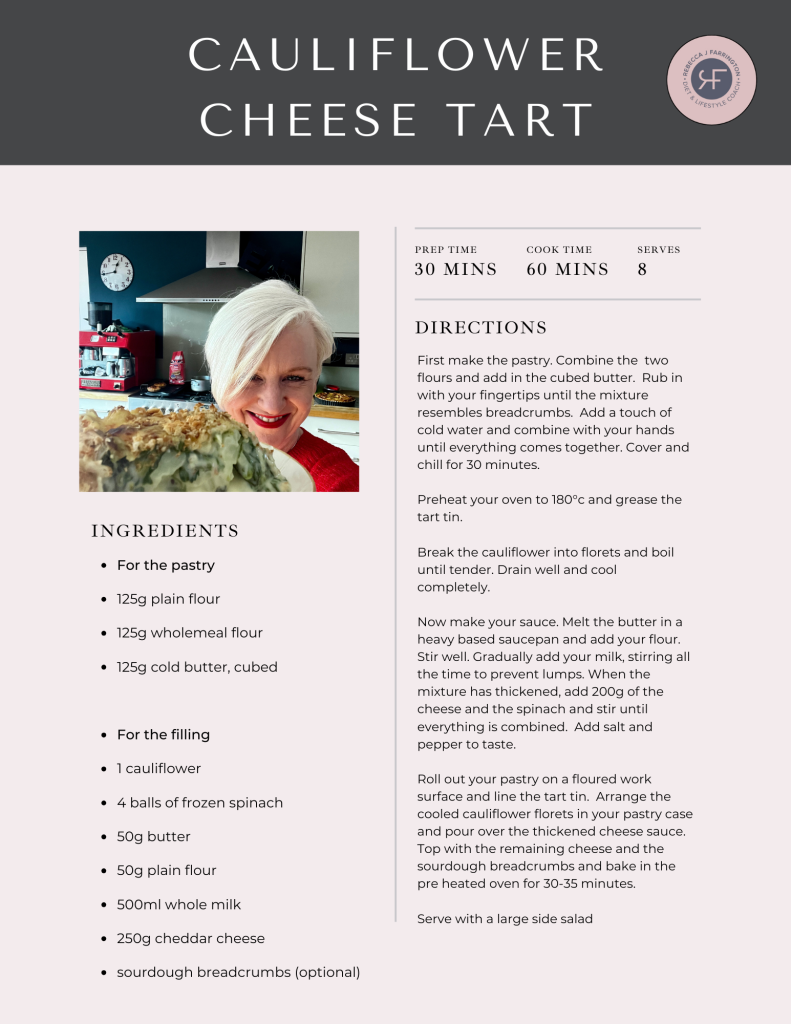
My cauliflower cheese tart recipe

Helicobacter Pylori (H Pylori): Reducing Risks with a Healthy Diet

Introduction

Helicobacter pylori (H. pylori) is a common bacteria that infects the stomach lining. It affects millions of people worldwide and it is suggested that 50% of the world’s population have this bacteria in their gut.  While not always causing symptoms, this infection can lead to various gastrointestinal issues. Those can include gastritis, peptic ulcers, and even stomach cancer if left untreated. However, there’s promising evidence suggesting that adopting a healthy diet may help mitigate the risks associated with H. pylori infection.

Understanding Helicobacter Pylori (H Pylori)

Bacteria

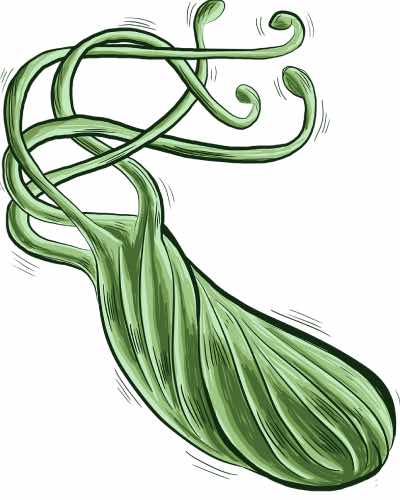
H. pylori is a spiral-shaped bacterium that thrives in the mucous layer lining the stomach. It’s primarily transmitted through contaminated food, water, or direct contact with an infected person. Once inside the body, it can weaken the stomach’s protective lining, and increase the risk of inflammation and ulcer formation.

While many people with this infection remain asymptomatic, some may experience symptoms. They can include abdominal pain, bloating, nausea, vomiting, and unintentional weight loss. Long-term infection can lead to more severe complications. These include peptic ulcers and an increased risk of stomach cancer, particularly in individuals with a family history or other risk factors.

The Role of Diet in Managing H. pylori Infection

While antibiotics are typically prescribed to eradicate H. pylori, researchers are increasingly exploring the role of diet in managing the infection and reducing associated risks. Although diet alone may not eliminate the bacteria, certain food choices can help support overall stomach health. Choosing such foods can minimise inflammation, potentially aiding in the management of H. pylori-related symptoms.

Incorporating Antioxidant-Rich Foods

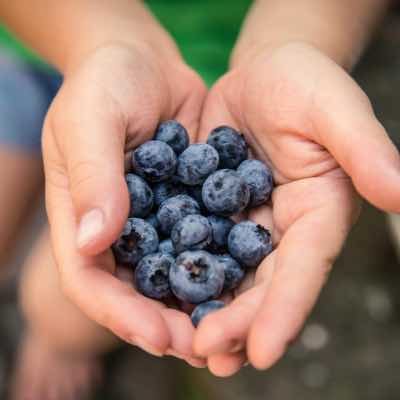
Antioxidants are compounds that help protect the body from oxidative stress and inflammation. Including plenty of antioxidant-rich foods in your diet may help combat the damage caused by H. pylori and support stomach health. Foods such as berries, leafy greens, nuts, seeds, and colourful fruits and vegetables are excellent sources of antioxidants and should be incorporated into your daily meals. As part of a healthy diet, you should also be aiming to eat 30 different types of fruit, vegetables, nuts, seeds and pulses a week

Hands holding blueberries

Probiotic Foods

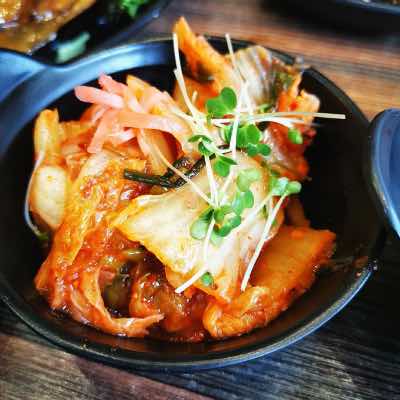
A dish of korean food

Probiotics are beneficial bacteria that can help promote a healthy gut microbiome. Consuming probiotic-rich foods like yogurt, kefir, sauerkraut, and kimchi can help restore balance to the gut flora disrupted by this infection. Probiotics may also help alleviate gastrointestinal symptoms and support the body’s natural defence mechanisms against harmful bacteria.

Limiting Acidic and Spicy Foods

While certain foods can support stomach health, others may exacerbate H. pylori-related symptoms. Acidic foods like citrus fruits, tomatoes, and vinegar, as well as spicy foods, can irritate the stomach lining in vulnerable individuals and worsen symptoms such as heartburn and indigestion. Limiting these foods or consuming them in moderation may help alleviate discomfort associated with H. pylori infection

Choosing Whole, Nutrient-Dense Foods

A diet rich in whole, nutrient-dense foods provides essential vitamins, minerals, and phytonutrients that support overall health and immunity. Choose whole grains, lean proteins, healthy fats, and plenty of fruits and vegetables to ensure your body receives the nutrients it needs to combat H. pylori infection and maintain optimal digestive function.

Happy little ethnic girl having fun with faceless mother showing V sign during lunch

Conclusion

While diet alone cannot eradicate H. pylori infection, making healthy dietary choices can play a significant role in managing symptoms, reducing inflammation, and supporting overall stomach health. By incorporating antioxidant-rich foods, probiotics, and whole, nutrient-dense foods into your diet while limiting acidic and spicy foods, you can help mitigate the risks associated with H. pylori infection and promote a healthy digestive system for years to come. As always, it’s essential to consult with a healthcare professional for personalised advice and treatment options. If you suspect you have an H. pylori infection or experience persistent gastrointestinal symptoms.

Three bottles of kombucha

For more information or to book a consultation please get in touch rebeccajfarrington@icloud.com

30 A Week

You may have heard this phrase recently. But what is it and why does it matter?

What is 30 a week?

Thirty a week is the most recent recommendations for eating fruit/vegetables/nuts and seeds and pulses. Old government guidelines suggested ‘5 a day‘ but that didn’t necessarily mean that you were getting a varied selection of plant based food. You could, for example, eat the same five things every day of the week and that wouldn’t be a varied or healthy diet.

What foods count?

Included in the things that you can include are perhaps some surprises. Coffee and tea can be included, as can dried herbs and spices. Each food can only be included once, so if you have tea each day you don’t log it every day, just the once! All fruit and vegetables count, as do chickpeas, lentils, bulgur wheat and quinoa……even dark chocolate over 70% counts as it’s plant based and contains polyphenols.

Smooties With Berries

Quick hacks to 30 a week

It might seem quite daunting at first glance, but it’s actually much easier than you might think. Here are some great ways to help you get to the 30 a week

Nuts and Seeds

Nuts and Seeds

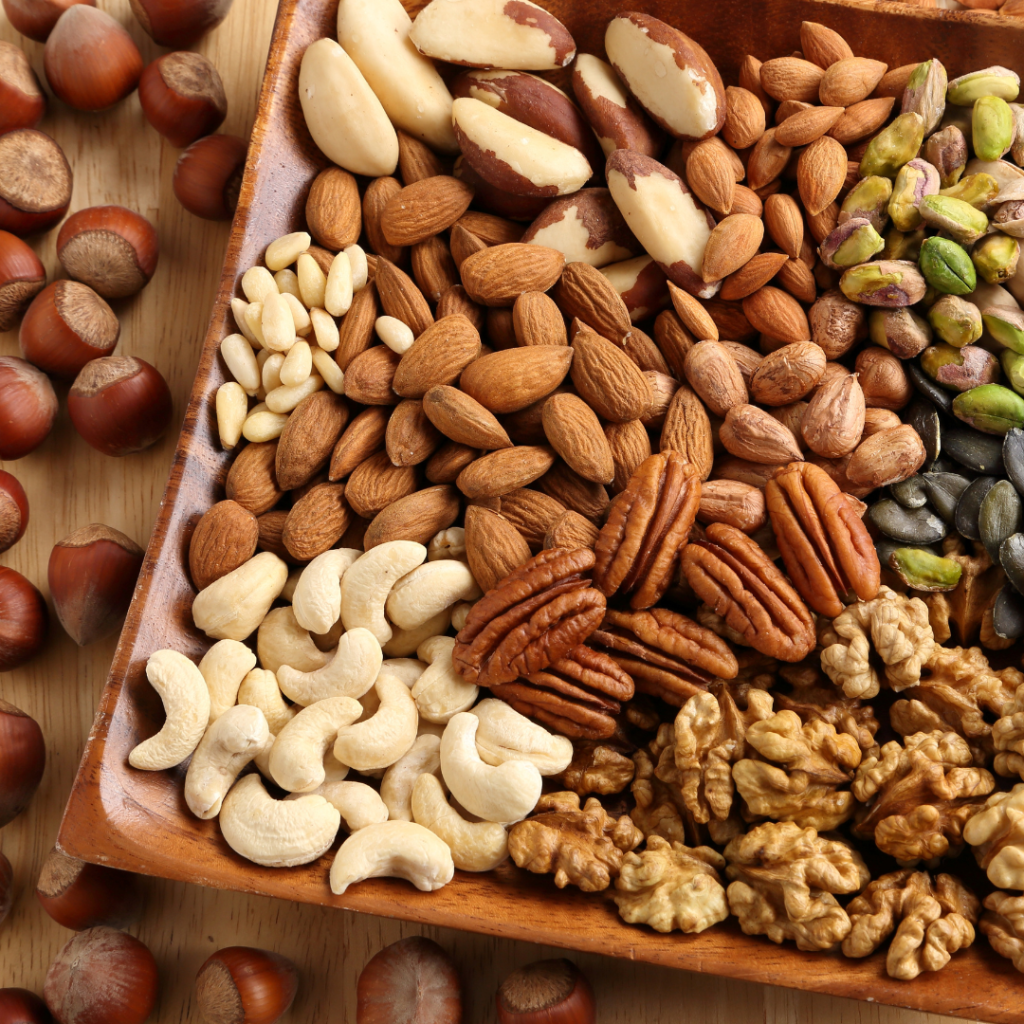
Sprinkling nuts and seeds on your food is an easy way to increase your 30 a week total. You can either buy a ready made selection (available in most supermarkets) or make your own. Add to breakfast cereals, salads and side dishes and use every day if you can. You’ll also be helping to improve your fibre intake as well as adding essential nutrients to your diet.

There are some great pre-made mixes that you can add to your food. Zoe do a great one that tastes lovely and will provide you with your 30 a week – Details here

Herbs and Spices

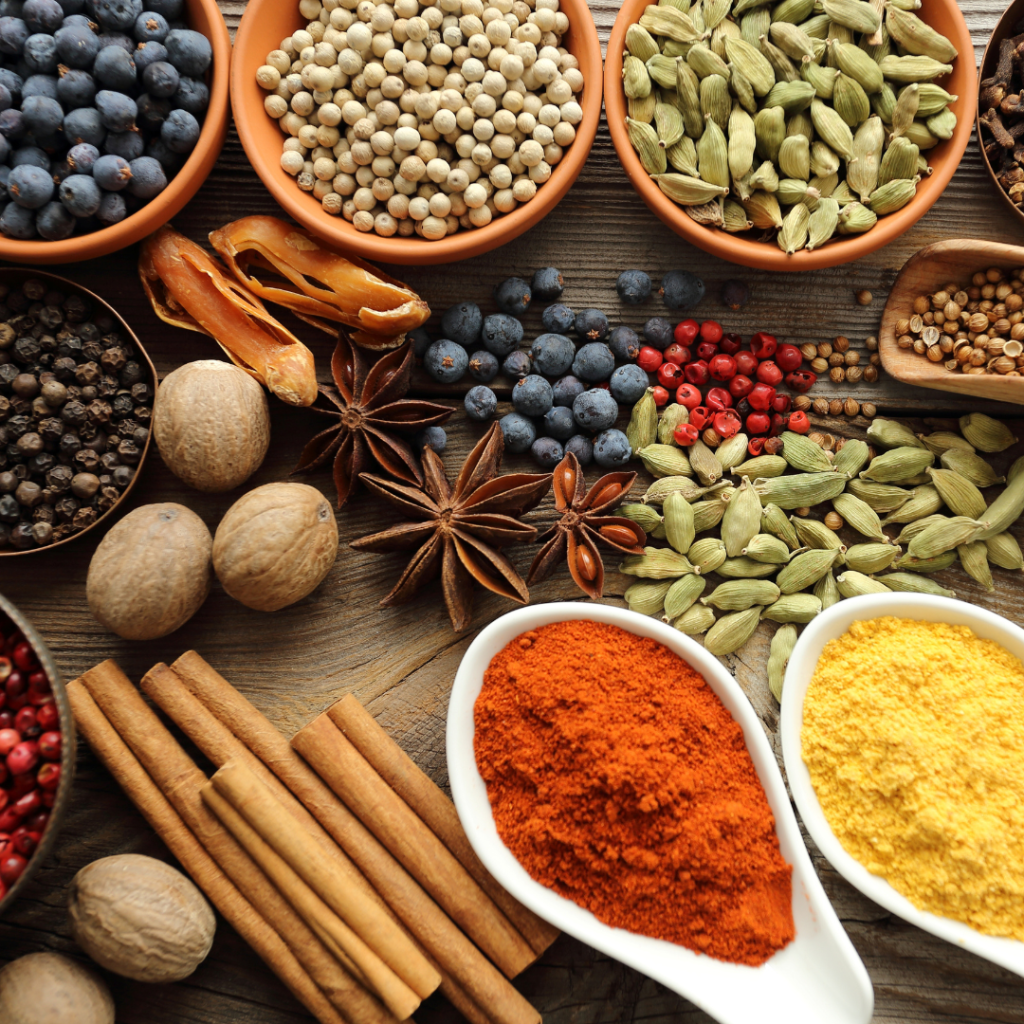
Herbs and spices each count towards your 30 a week, so you can see how easy it is to make a curry really count. Use ground spices and seeds to make your curry dishes from scratch and aim for at least five as your base. You also have your onion, garlic and fresh ginger that count, as does a tin of tomatoes and any extra veg that you put in your curry. Top it off with some fresh herbs and you can quite easily be heading to 20 ingredients in just one dish! Consider adding spices to other dishes too as many of them have some great anti-inflammatory properties too (I’m thinking turmeric for one).

Herbs and Spices

Salads

Mixed Salad

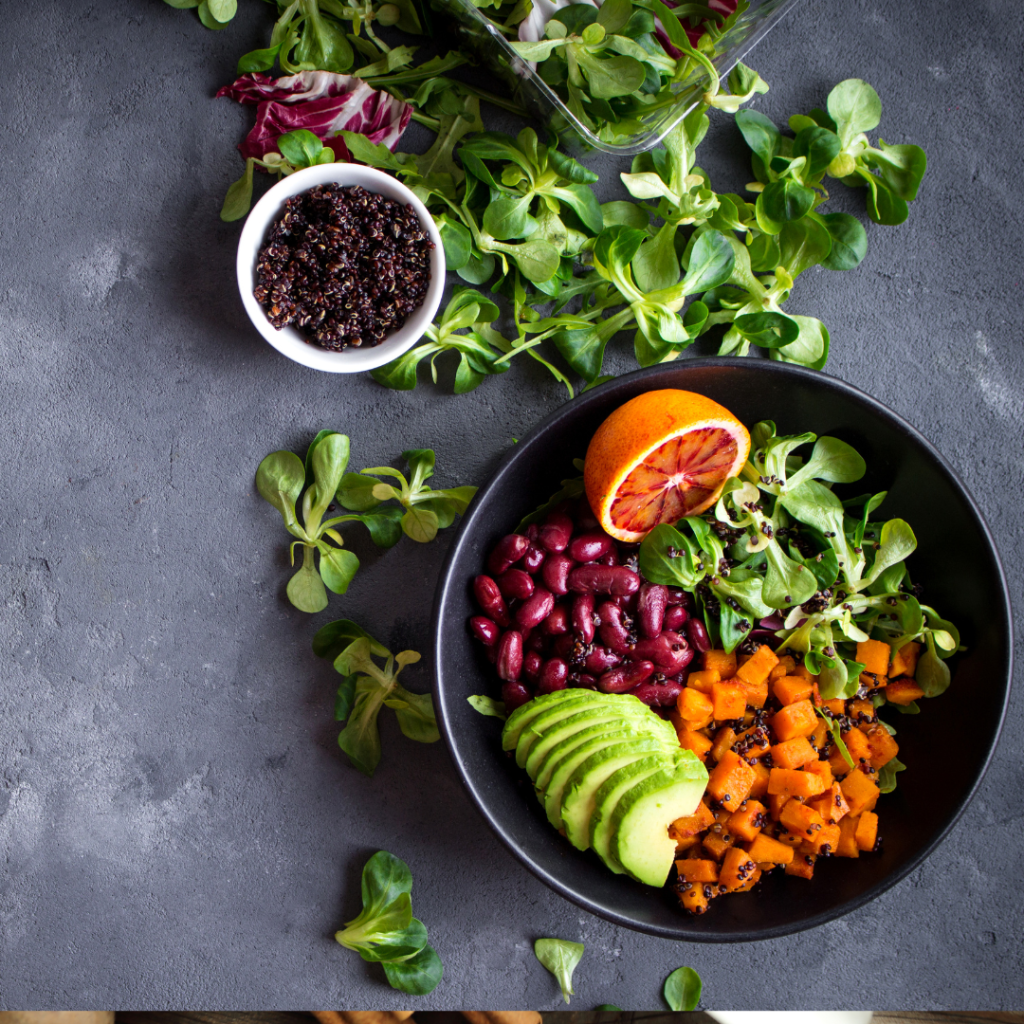
It may seem like an obvious one, but there are some simple ways to make your salad really counts towards your 30 a week. Consider switching Iceberg lettuce (the nations favourite, but in terms of nutrition it’s not a great choice) for mixed leaves. Each different salad leaf counts as a separate choice, so it makes sense to vary them as much as you can. Different colour onions all count as an option too, as do different colour peppers, radish etc. Swap lettuce leaves for kale, Cavalo Nero or chard to really supercharge your salad bowl. And adding a salad dressing that includes fermented Cider apple vinegar and olive oil (which both count) will also help your gut health. Win-Win!

Soup

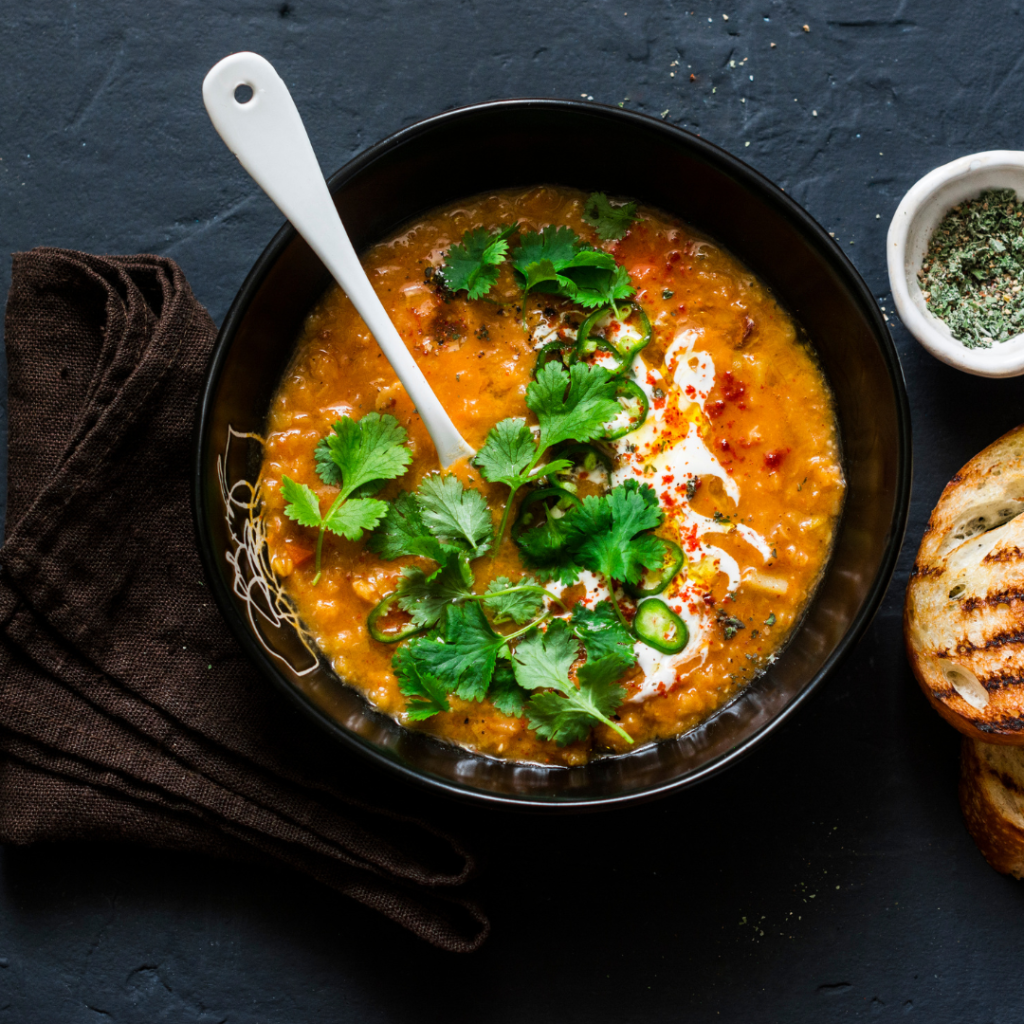
Soup is a fantastic way to increase your veg intake and a really nutritious dish to add to your weekly menu. Using tins of tomatoes, chickpeas and pulses can be a quick way of making soup, as are frozen vegetables. Both those options are equally as nutritious as fresh veg. So if you are strapped for time don’t feel guilty about taking the easy option. As well as a base of onions and garlic, try adding celery and chopped carrot to your base to increase veg in the dish without it affecting flavour too much. Again, think about adding some spices and topping off with fresh herbs. Have a look at my recipe page to get some recipe inspiration

Bowl of soup

For more information please email me on rebeccajfarrington@icloud.com