How Sleep Affects Ageing — And the 6 Changes That Make the Biggest Difference

posted in: Uncategorized | 0

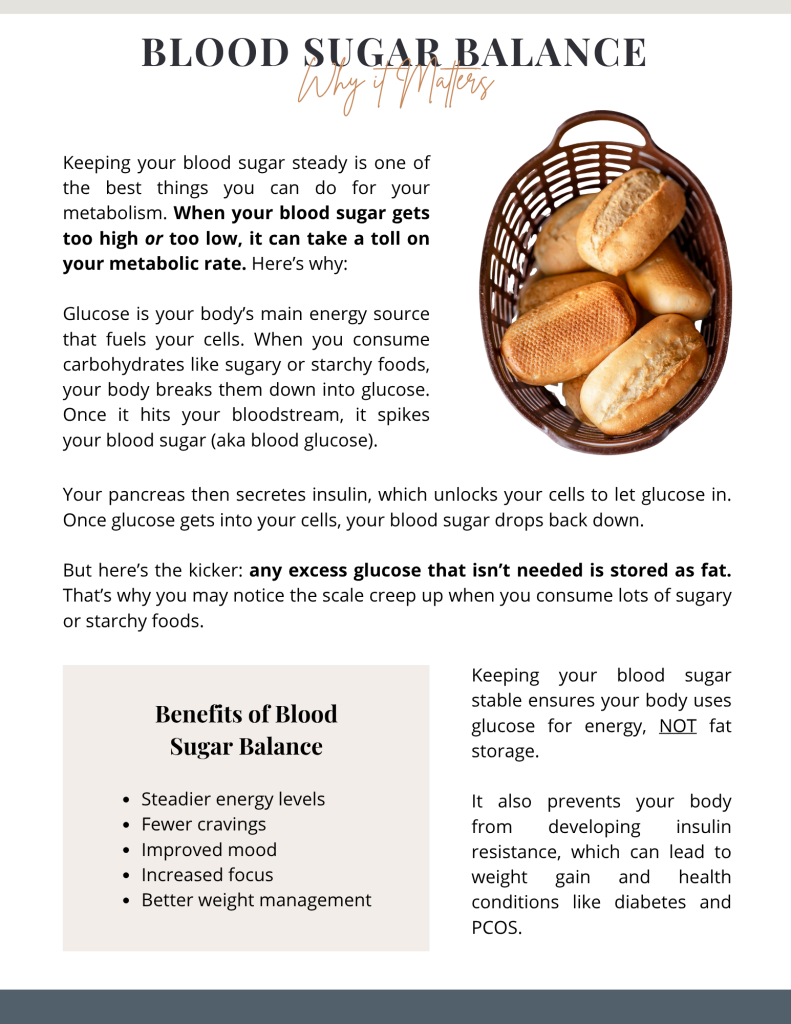
How did you sleep last night? It sounds like small talk — but it might be one of the most important health questions you can ask yourself.

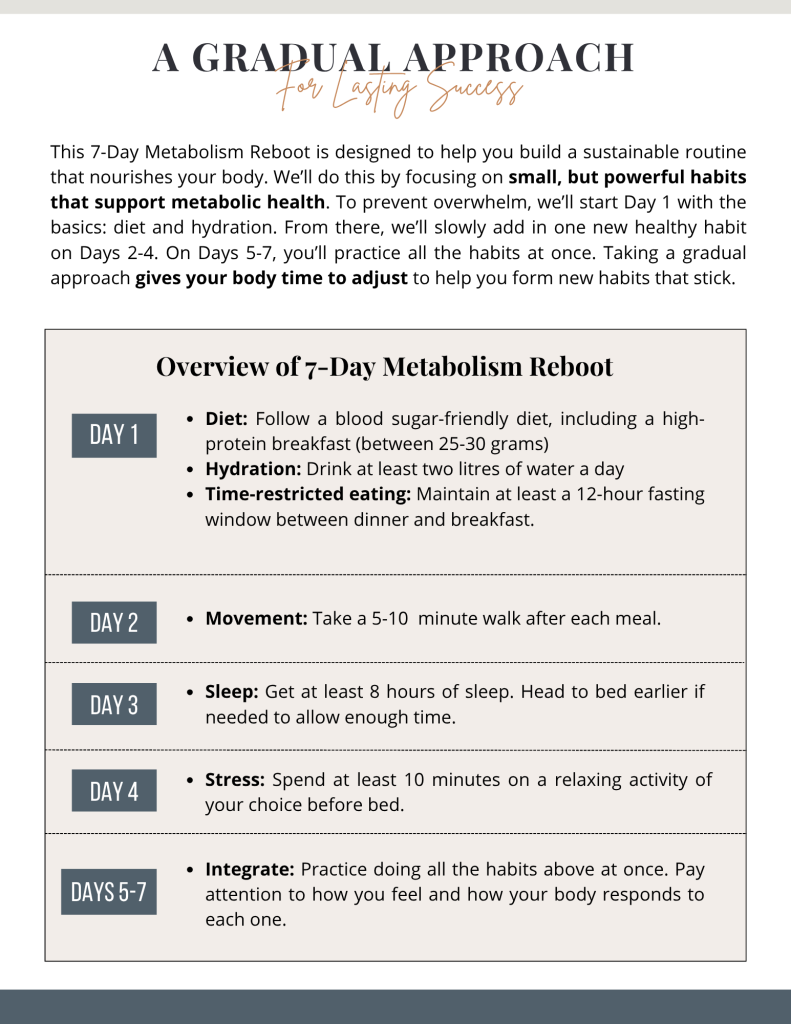
Sleep is the one thing most of us know we should prioritise, and the one thing that tends to slip first when life gets busy. We treat it as a luxury, something to be squeezed in around everything else. But the research tells a different story entirely. Sleep is not passive rest — it is one of the most biologically active and health-critical periods of your entire day.

After 40, the relationship between sleep and ageing becomes particularly significant. Poor sleep doesn’t just leave you tired. Over time, it accelerates cellular ageing, drives inflammation, disrupts hormones, and meaningfully increases the risk of conditions including cardiovascular disease, type 2 diabetes, dementia and depression. Understanding how sleep changes as we age — and what you can do about it — is one of the most valuable investments you can make in your long-term health.

Here are the six changes that matter most.

1. Your Sleep Architecture Changes — And Deep Sleep Becomes Harder to Get

A brain with a clock in it, depicting sleep patterns

Sleep is not one uniform state. It moves through cycles of light sleep, deep sleep (slow-wave sleep), and REM sleep — and each stage serves a distinct biological purpose. Deep sleep is particularly critical: it is during this stage that the body releases growth hormone, repairs tissue, consolidates memories, and clears metabolic waste from the brain through the glymphatic system.

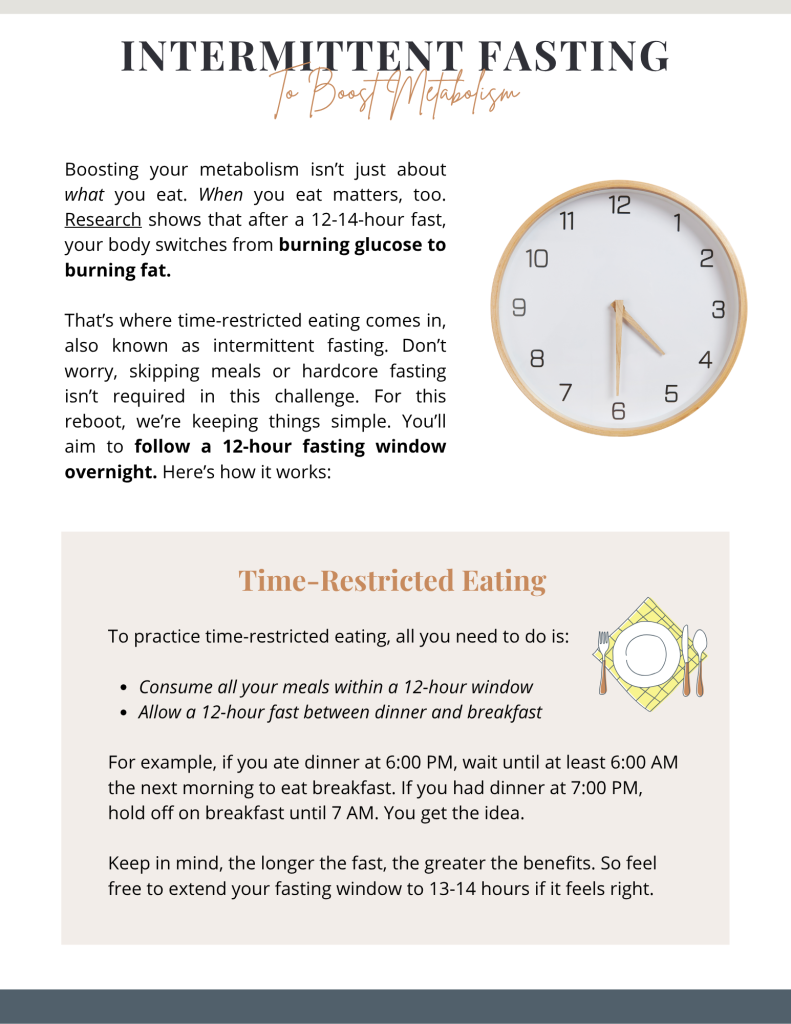
After 40, the proportion of deep sleep in each cycle gradually decreases. You may find that you wake more easily, feel less restored even after a full night, or notice that alcohol — which suppresses deep sleep — affects your sleep quality more than it used to. This isn’t weakness; it is a biological shift that deserves a practical response.

What helps: Keeping a consistent bedtime and wake time — even at weekends — is the single most effective way to protect sleep quality. Your circadian rhythm is exquisitely sensitive to consistency, and irregular sleep timing fragments the deep sleep cycles your body most needs.

2. Poor Sleep Drives Inflammation — The Silent Accelerator of Ageing

Chronic low-grade inflammation — sometimes called inflammageing — is one of the key biological drivers of accelerated ageing and is associated with cardiovascular disease, type 2 diabetes, cognitive decline and certain cancers. Sleep is one of its most powerful regulators.

Even a single night of poor sleep measurably elevates inflammatory markers including C-reactive protein and interleukin-6.

A woman trying to sleep but with her eyes open

Consistently poor sleep keeps these markers chronically elevated — creating a physiological environment that ages the body more rapidly and makes it more susceptible to disease (Nature Reviews Immunology, 2023).

What helps: Treating sleep as an anti-inflammatory intervention — not just a rest period — shifts how you prioritise it. The habits that support sleep quality (consistent timing, a cool dark room, limiting alcohol and late-night screens) are also some of the most effective tools for reducing chronic inflammation.

Adults who sleep fewer than 6 hours per night have significantly higher levels of inflammatory markers compared to those sleeping 7-8 hours — independent of other lifestyle factors.
Nature Reviews Immunology, 2023

3. Sleep Cleans Your Brain — Literally

One of the most remarkable discoveries in neuroscience in recent years is the identification of the brain’s glymphatic system — a waste-clearance network that activates almost exclusively during deep sleep. During this process, cerebrospinal fluid flushes through the brain, clearing metabolic waste products including amyloid-beta and tau — the proteins associated with Alzheimer’s disease.

A close up picture of glymphatic system

Chronic poor sleep impairs this clearance process. Studies have found that even one night of sleep deprivation leads to a measurable accumulation of amyloid-beta in the brain (Science, 2017). This does not mean that poor sleep causes dementia — but the association between chronic sleep deprivation and increased risk of cognitive decline is consistent across the research literature and compelling enough to take seriously.

What helps: Prioritising sleep duration — 7 to 9 hours for most adults — rather than accepting chronic short sleep as a badge of productivity. The brain’s cleaning cycle requires sufficient time to complete. There are no shortcuts.

4. Sleep Regulates the Hormones That Keep You Healthy

Woman reading in ed

Sleep is one of the primary regulators of hormonal balance — and this becomes increasingly significant after 40, when hormonal shifts are already underway. Growth hormone, which supports tissue repair and muscle maintenance, is secreted primarily during deep sleep. Cortisol, the body’s primary stress hormone, should be at its lowest during sleep and rise gradually toward morning — but poor sleep disrupts this rhythm, leaving cortisol elevated at times when it should not be.

Disrupted cortisol patterns drive fat storage (particularly around the abdomen), impair immune function, increase appetite — particularly for high-sugar, high-fat foods — and contribute to the mood and energy instability that many people over 40 attribute simply to ‘getting older’. For women navigating perimenopause, where oestrogen fluctuations already affect sleep quality, this relationship is particularly important to understand.

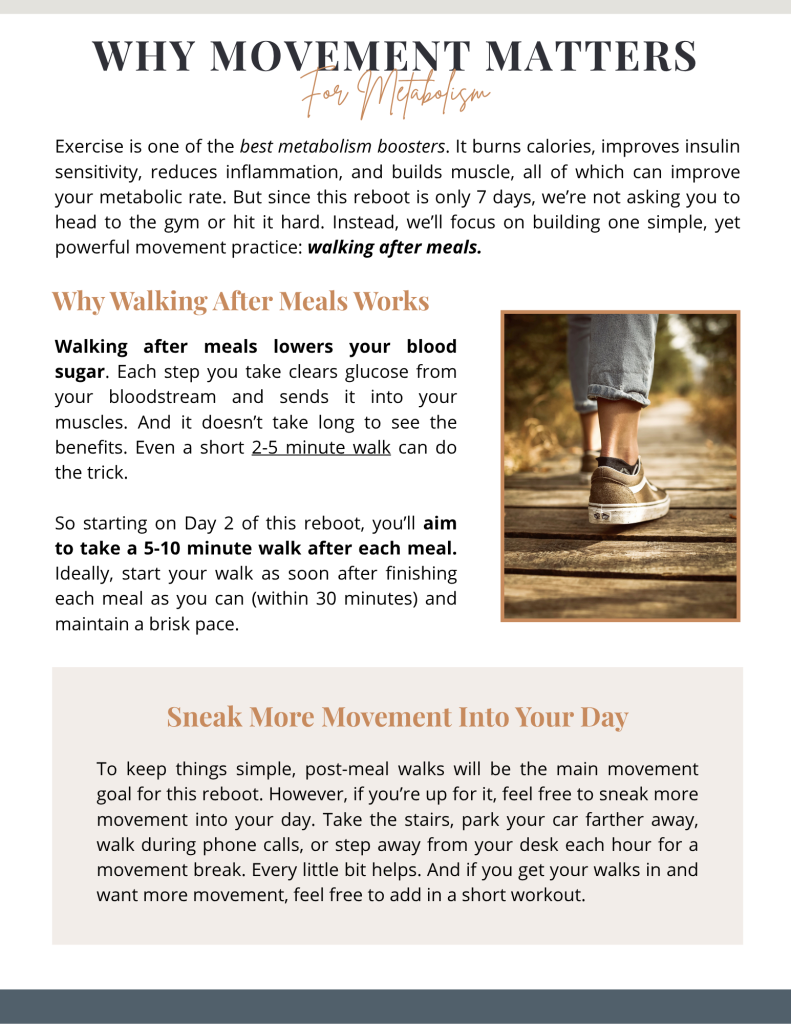
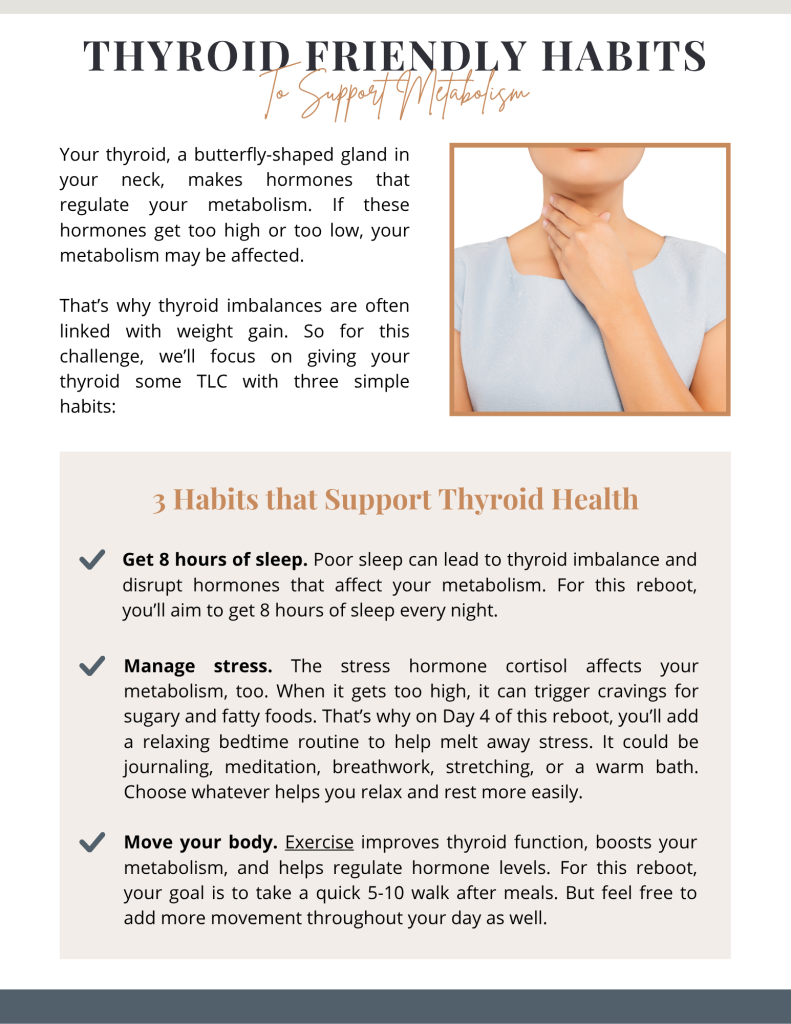
What helps: Protecting the cortisol rhythm begins before bed. A consistent wind-down routine — dimming lights an hour before sleep, avoiding screens, keeping the bedroom cool (around 18°C is optimal) — supports the natural drop in core body temperature and cortisol that signals to the brain it is time to sleep.

Over 35% of UK adults regularly sleep fewer than 7 hours per night — the minimum recommended for metabolic and cognitive health.
NHS, 2023

5. Sleep Deprivation Disrupts Blood Sugar and Metabolism

The link between poor sleep and metabolic health is one of the most robustly evidenced relationships in sleep research. Even a few nights of restricted sleep impairs insulin sensitivity — the body’s ability to respond to insulin and regulate blood sugar — to a degree comparable to the early stages of type 2 diabetes (Lancet, 2021).

Chronic poor sleep also disrupts the hormones that regulate hunger and appetite.

Woman doing up her jeans

Ghrelin — the hormone that stimulates appetite — rises with sleep deprivation, while leptin — which signals fullness — falls. The result is increased hunger, a preference for calorie-dense foods, and a metabolic environment that makes weight management significantly harder. This is not a willpower problem. It is a biology problem — and it responds to sleep, not discipline.

What helps: Recognising that sleep is a metabolic intervention. If you are working to support your weight, energy or blood sugar, improving sleep quality is at least as important as dietary changes — and for many people, it is the missing piece.

6. Your Wake Time Matters More Than Your Bedtime

A woman waking up in a light room and streching

If there is one practical change that sleep researchers point to most consistently, it is this: fix your wake time first. Your wake time anchors your entire circadian rhythm. When it is consistent, your body knows precisely when to release cortisol to wake you, when to build sleep pressure across the day, and when to begin the melatonin rise that prepares you for sleep in the evening.

Varying your wake time — sleeping in at weekends, for example — disrupts this anchor. The resulting circadian misalignment (sometimes called social jetlag) fragments sleep quality in the nights that follow and contributes to the groggy, unrefreshed feeling that many people accept as normal. It is not normal. It is fixable.

What helps: Choose a wake time you can maintain seven days a week — including weekends — and hold it for two to four weeks. Most people notice a meaningful improvement in sleep quality and morning energy within that timeframe. It is one of the simplest and most evidence-supported sleep changes available.

Sleep Is Not a Passive Activity — It’s an Active Investment

Every night of good sleep is a deposit in your Health Pension. It is the time when your body repairs, your brain clears, your hormones reset, and your immune system consolidates. No supplement, no diet, no exercise regime can fully compensate for chronic poor sleep — and no amount of busyness makes it optional.

The six changes above are not meant to be overwhelming. Pick one. The wake time anchor is where I would start with most people — it is free, requires no equipment, and the evidence behind it is exceptional. Give it four weeks and notice what shifts.

Sleep is one of the five pillars of healthy ageing that I cover in depth in the complete guide: The Complete Guide to Healthy Ageing After 40. If you haven’t read it yet, it’s a good place to start.

Enjoyed this? There’s more every Friday.
Sign up for my weekly newsletter — practical, evidence-based health guidance for people over 40 who want to feel better, move well and age with intention. No overwhelm, no extremes.
Sign up for the weekly newsletter

Sources & Further Reading

National Health Service. (2023). How to Get to Sleep. NHS. https://www.nhs.uk/live-well/sleep-and-tiredness/how-to-get-to-sleep/

Nature Reviews Immunology. (2023). Sleep and Inflammation: Partners in Sickness and in Health. Nature. https://www.nature.com/nri/

Lancet. (2021). Sleep and Metabolic Health: A Bidirectional Relationship. The Lancet. https://www.thelancet.com/

Xie, L. et al. (2013). Sleep Drives Metabolite Clearance from the Adult Brain. Science, 342(6156), 373-377. https://www.science.org/doi/10.1126/science.1241224

Shokri-Kojori, E. et al. (2018). Beta-amyloid accumulation in the human brain after one night of sleep deprivation. PNAS, 115(17), 4483-4488. https://www.pnas.org/


The Food Matrix: Why There’s No Such Thing as a ‘Good’ or ‘Bad’ Food

We’ve all been there. You reach for a snack, and somewhere in the back of your mind, a voice pipes up: is this good or bad for me? It’s a habit we’ve been conditioned into — sorting food into tidy moral categories, as if a biscuit were villainous and a stick of celery were saintly.

But nutrition science tells a more nuanced story. One of the most important concepts emerging from that science is the food matrix — and understanding it could fundamentally change the way you think about what you eat.

What Is the Food Matrix?

The food matrix refers to the physical and chemical structure of a food — how its individual components (carbohydrates, fats, proteins, fibre, water, vitamins, and minerals) are physically organised and interact with one another. It’s not just what food contains, but how those nutrients are packaged, arranged, and delivered to your body.

Two foods can share almost identical nutritional profiles on paper yet have completely different effects in the body — simply because of how their matrix is structured. This is why blanket labels like “healthy” or “unhealthy” are so often misleading. The food matrix invites us to ask a better question: not what is in this food, but how will my body actually experience it?

The Apple Argument: A Tale of Two Matrices


Let’s take one of the most illuminating examples in nutrition: the humble apple.

Ask most people whether an apple is healthy, and they’ll say yes without hesitation. Ask whether apple juice is healthy, and many will say the same. After all, it comes from apples, right?

Here’s where the food matrix changes everything.

A bowl of fruit, including apples and pears

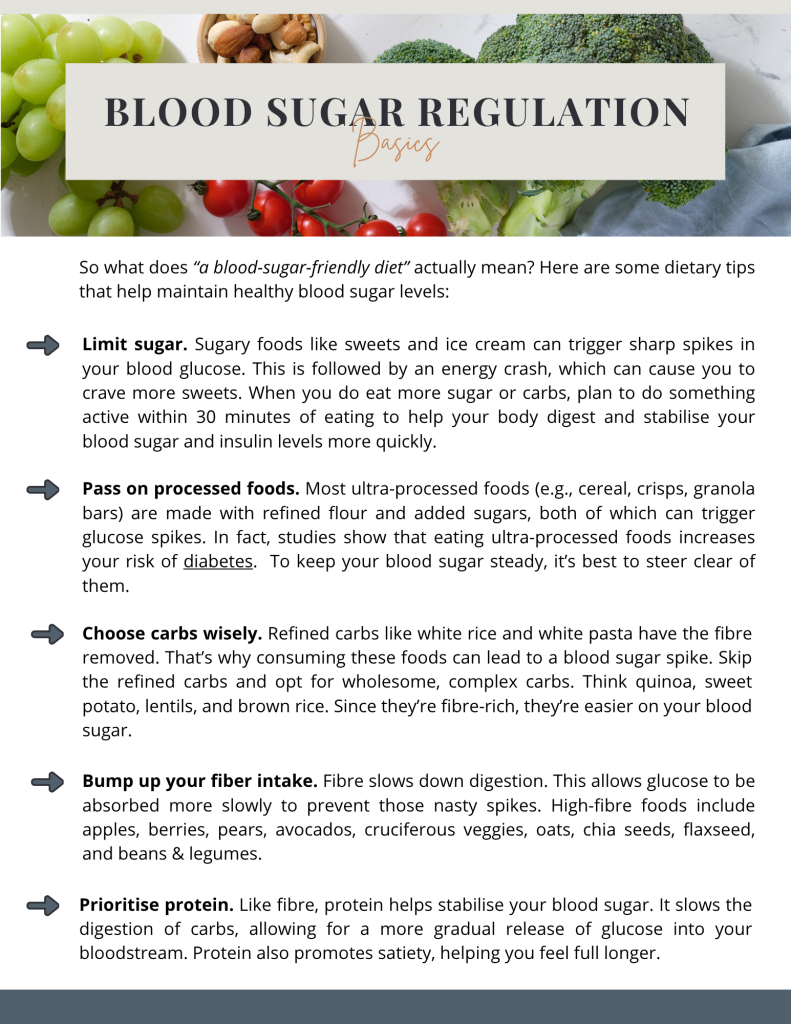
When you eat a whole apple, you’re consuming the entire structure of the fruit. The sugars — primarily fructose — are locked within the cell walls of the apple’s flesh. These walls are made up of fibre, including pectin, which slows digestion considerably. Your body has to physically break down that cellular structure before it can access the sugars. This process takes time. As a result, glucose enters your bloodstream gradually, your insulin response is measured, and you feel fuller for longer. One medium apple contains around 4–5 grams of fibre and takes genuine effort to consume and digest.

When you drink apple juice, even if it’s freshly pressed and 100% “natural,” the picture is completely different. The juicing process has already done the mechanical work of breaking down the cell walls. The fibre — your body’s great regulator — has been largely removed or rendered ineffective. What remains is liquid sugar, with virtually no structural complexity left to slow its absorption. That same apple’s worth of fructose now floods into your bloodstream rapidly, causing a sharper spike in blood sugar and a corresponding insulin response. And because the physical bulk and fibre are gone, the satiety signals that a whole apple would trigger simply don’t fire in the same way.

This is the food matrix at work. The apple and the juice contain similar ingredients, but they are nutritionally and physiologically worlds apart — because the matrix has been dismantled.

It’s Not the Food. It’s What You Do to It.

A bowl of whole oats

The apple example is a gateway into a much broader principle: food preparation and processing profoundly alter the food matrix, and therefore the nutritional experience of eating. Consider oats. A bowl of traditional, slow-cooked porridge oats has a robust matrix. The beta-glucan fibre forms a thick gel in your gut, slowing digestion, feeding beneficial bacteria, and helping to stabilise blood sugar. 

Instant porridge — where the oats have been pre-cooked, dried, and rolled thinner — breaks down far more quickly, offering less of that slow-release benefit. Same food. Very different matrix.

Or think about tomatoes. Raw tomatoes contain lycopene, a powerful antioxidant. But lycopene is actually morebioavailable when tomatoes are cooked and combined with a small amount of fat — like in a rich tomato sauce made with olive oil. Here, cooking and preparation enhance the food matrix rather than diminish it. Not everything lost is good; not everything gained is bad.

Even something as simple as chewing plays a role. Research has shown that more thoroughly chewed food is digested differently to food that’s eaten quickly, affecting satiety hormones and the rate of nutrient absorption. The matrix begins to shift the moment you take a bite.

Why Labelling Food ‘Good’ or ‘Bad’ Is Too Simple

When we call a food “bad,” we almost always mean a processed version of it — or a preparation that has stripped away the structural integrity that made it beneficial in the first place. White bread isn’t inherently bad; but compared to a dense, slow-fermented sourdough made with whole grains, its matrix is far less complex, its fibre far lower, and its impact on blood sugar far more pronounced.

The “bad food” label also ignores context entirely. A banana consumed after a long run, when your muscles are hungry for fast-releasing glucose, is a very different nutritional event to the same banana eaten sedentary on a sofa. The food hasn’t changed. The context has.

This matters because moral food labelling creates anxiety, guilt, and an all-or-nothing mindset that rarely serves our health. It directs our attention away from the things that genuinely shape nutritional quality: the degree of processing, the cooking method, the food combinations, the context of consumption, and the overall pattern of our diet.

Practical Takeaways: Honouring the Food Matrix

Whole grains
Edamame bean poke bowl
Fresh fruit

Understanding the food matrix doesn’t require a degree in biochemistry. It asks for a simple shift in perspective:

Choose whole over processed where you can. The closer a food is to its original form, the more likely its matrix is intact. This doesn’t mean never eating processed foods — it means appreciating that the further food travels from its original state, the more its matrix changes.

Think about preparation. Steaming vegetables retains more of their cellular structure and nutrients than boiling. Slow cooking legumes from dried preserves more beneficial compounds than relying solely on tinned versions. Small choices in the kitchen have real effects.

Eat, don’t drink, your calories. Liquids — smoothies, juices, even blended soups — have altered matrices that generally reduce satiety and speed up absorption compared to their whole-food equivalents. This isn’t a reason to avoid them; it’s a reason to be mindful about them.

Stop moralising food. There are no good or bad foods — only foods with different matrices, different contexts, and different roles in a diet. A diet built on variety, whole foods, and thoughtful preparation will serve you far better than one built on restriction and guilt.

The Bottom Line

The food matrix reminds us that nutrition is not a simple equation. The same nutrients in the same quantities can behave in vastly different ways depending on how they’re structured, processed, and prepared. An apple and apple juice are not the same thing. Whole oats and instant oats are not the same thing. And a food eaten in one context is not the same as that food eaten in another.

Rather than asking whether a food is good or bad, start asking: how whole is this? How has it been prepared? What has been added or removed? Those are the questions that actually move the needle — and the food matrix is the framework that helps you answer them.


Enjoyed this article? Share it with someone who’s still sorting their meals into “good” and “bad” — they might just change their mind.

Epigenetics and Aging After 40: Why Your Lifestyle Matters More Than Your Genes

If you’ve been told that aging is all about the genes you inherited, I have empowering news: science has turned that notion on its head. While your DNA provides the blueprint, the emerging field of epigenetics and aging reveals that your daily choices—what you eat, how you move, how you manage stress—are the real architects of how you age after 40.


What Is What Is Epigenetic Aging, and Why Should You Care?

Think of your genes as an instruction manual. Epigenetics determines which pages get read and which get bookmarked. The word comes from the Greek “epi,” meaning “above” or “upon,” because these changes sit above your genetic code, switching genes on or off without altering the DNA sequence itself.

A DNA image

Here’s the truly inspiring part: unlike genetic mutations, epigenetic changes are reversible. Research on identical twins dramatically illustrates this point. Despite sharing the same DNA, twins show increasingly different patterns of DNA methylation as they age due to environmental factors and lifestyle choices. One twin might develop diabetes while the other remains healthy—not because of different genes, but because of different epigenetic modifications shaped by their lifestyles.

Studies suggest that only about 25% of longevity is related to DNA sequence, while 75% is attributed to environmental influences such as diet, physical activity, and social interactions. Your genes load the gun, but your lifestyle pulls the trigger—or keeps the safety on.


Measuring Your True Biological Age with Epigenetic Clocks


Nutrition: Eating to Rewrite Your Genetic Story

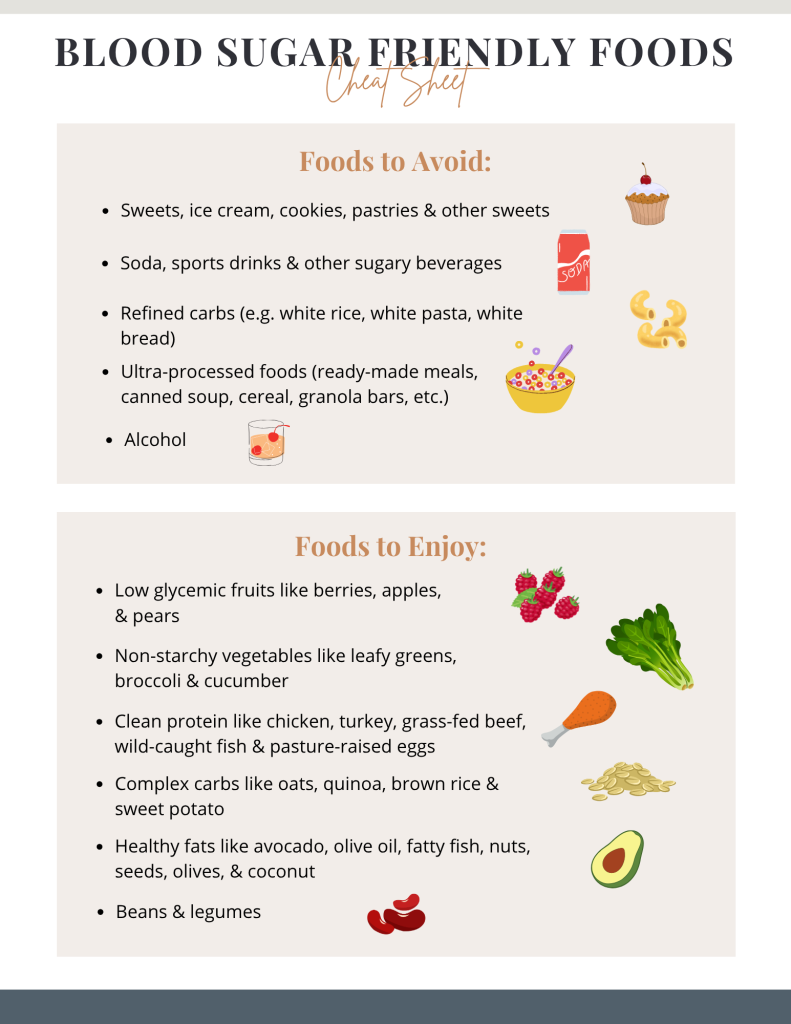
The food on your plate sends powerful signals to your genes. Dietary interventions such as the Mediterranean and DASH diets have been shown to enhance health biomarkers and slow epigenetic aging through favourable DNA methylation.


Focus on these categories of nutrients:

A healthy plate of vegetables for healthy ageing

Methyl Donors: Green leafy vegetables rich in folate, eggs and liver containing choline, and fish providing B12 supply the building blocks for healthy DNA methylation patterns.

Epi-Bioactives: Polyphenols found in colourful fruits and vegetables, spices, coffee, green tea, and olive oil help regulate the enzymes that control epigenetic marks. Cruciferous vegetables like broccoli, brussels sprouts, and kale contain sulforaphane, which activates antioxidant pathways and reduces inflammation.

Learn more about nutrition and epigenetics at the National Institute on Aging and Stanford Lifestyle Medicine.


Exercise: Moving Your Way to Younger Cells

Physical activity doesn’t just strengthen muscles—it rewrites your epigenetic code. High-intensity interval training induces epigenetic modifications that improve metabolic function, mitochondrial biogenesis, and insulin sensitivity. Exercise enhances histone acetylation, which protects against cardiovascular disease, neurodegenerative disorders, and mood disturbances.

Research shows that after 8 weeks of voluntary resistance training, aged mice exhibited nearly 8 weeks of younger epigenetic age in their muscles. The human equivalent? Regular moderate exercise can literally turn back your cellular clock.

The key is consistency without extremes. Aim for 30 minutes of moderate to vigorous activity most days of the week. Whether it’s brisk walking, swimming, cycling, or strength training, find what you enjoy and stick with it.


Sleep: Your Nightly Reset Button

Woman sleeping

Sleep isn’t just rest—it’s when your body performs essential epigenetic maintenance. Seven to eight hours of quality sleep allows genes responsible for cellular repair and immune function to express properly. Sleep deprivation, conversely, accelerates epigenetic aging and increases inflammation markers.


Stress Management: Protecting Your Genes from Chronic Worry

Nearly 25% of DNA methylation sites associated with aging are located in stress response regions, highlighting the relationship between stress and accelerated aging. Chronic stress alters methylation of genes that regulate cortisol sensitivity, leading to prolonged stress responses and immune dysfunction.

The antidote? Practices like meditation, breathing exercises, yoga, and mindfulness have been shown to counteract stress-induced epigenetic damage. Even 20 minutes of daily relaxation practice can produce measurable benefits in your epigenetic age.


The Compounding Power of Lifestyle After 40

What makes epigenetics truly empowering is that you don’t need to be perfect—you need to be consistent. Small, sustainable changes compound over time. The person who eats more vegetables, takes daily walks, manages stress reasonably well, and maintains social connections is actively programming their genes for longevity and vitality.

Research shows that 12 weeks of improved lifestyle choices with regulated diet and exercise training were associated with changes in DNA methylation at regions of genes linked to tumour suppression, immune cell metabolism, and overall aging. Three months. That’s how quickly meaningful change can begin.


Your Epigenetic Future Starts Today

The science of epigenetics has given us something rare: genuine hope backed by rigorous research. You’re not trapped by your family history or your genes. Every meal, every workout, every good night’s sleep, every moment of calm breathing—these are all opportunities to influence your gene expression in positive ways.

Yes, some people have genetic advantages. But recent studies indicate that reversible epigenetic drift constitutes a central regulator of aging and age-related diseases. What you do matters more than what you inherited. Your forties, fifties, sixties, and beyond can be decades of vitality, energy, and health if you make choices that support healthy gene expression.

The power to age well isn’t locked in your DNA—it’s in your hands, on your plate, in your daily routines, and in the way you choose to live each day. That’s not just inspiring; it’s scientifically validated truth.


Ready to Take Control of Your Biological Age?

If you’re ready to apply the science of epigenetics to your own life, I’d love to support you. As a health coach specialising in helping people over 40 age well, I create personalised programs that translate cutting-edge research into practical, sustainable lifestyle changes.

Set Point Theory: Why Your Body Defends Its Weight


What Is Set Point Theory?

Woman in workout gear eating salad

The Research Behind Set Point Theory

Key Studies and Findings


What You Can Do to Work With (Not Against) Your Set Point

1. Focus on Gradual, Sustainable Changes

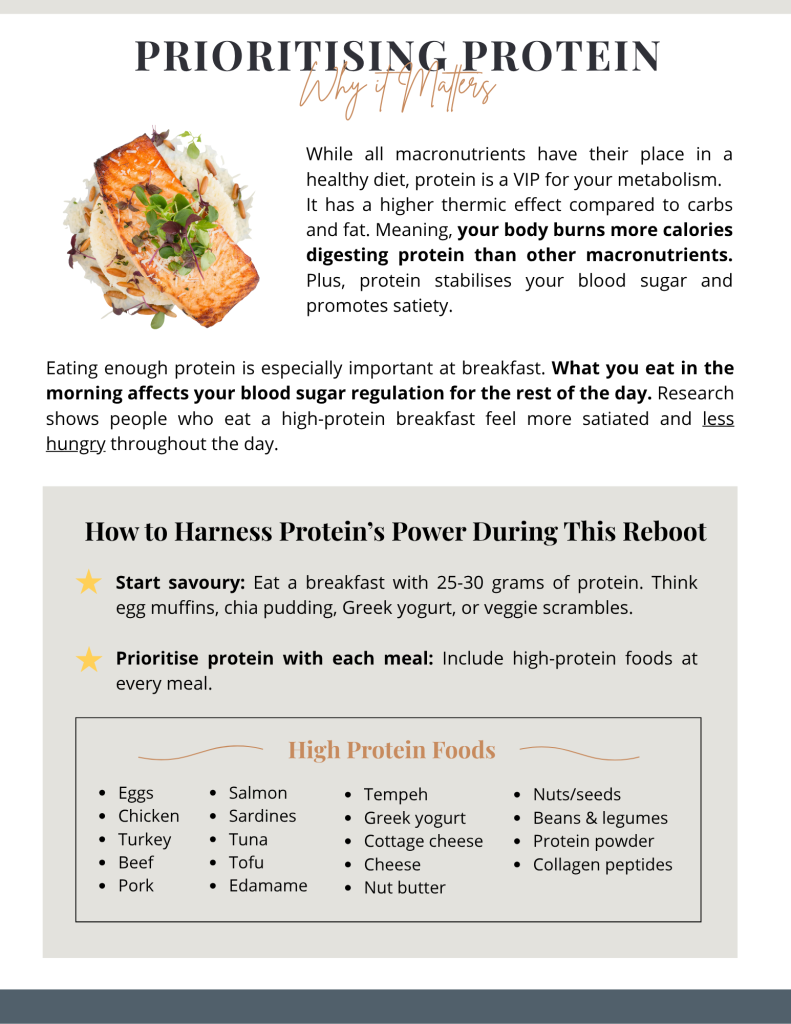
2. Prioritise Protein and Fibre

3. Build and Maintain Muscle Mass

4. Optimise Sleep and Manage Stress

5. Use Strategic Refeeds and Diet Breaks

6. Develop Non-Food Coping Strategies

7. Focus on Behaviour Change, Not Just Weight

8. Consider Your Personal History

The Bottom Line

What is Fibremaxxing? – The Gut-Health Trend You Need to Know About

A vibrant still life of fresh herbs on a rustic wooden cutting board, perfect for culinary inspiration.

How Fast Can You Really Improve Your Gut Health?

posted in: Uncategorized | 1
Rebecca J Farrington holding a large basket of fresh vegetables
A top view of a healthy vegetable rice dish with soft-boiled eggs on a light green plate.
woman sleeping with eye mask

The First Step Is Often the Hardest

Could Stress Be Sabotaging Your Weight Loss?

From above of crop anonymous plump female using measuring tape around hips in gym


Belly Fat

Why Insulin Resistance Increases as We Age – And What to Do About It


Cortisol, Menopause & Weight Gain: What You Need to Know

Why your stress hormone could be sabotaging your midlife weight – and how to take back control.

Woman with her head in her hands

What is cortisol—and why does it matter during menopause?


How cortisol contributes to weight gain:

From above of crop anonymous plump female using measuring tape around hips in gym

Bottom line?