The Food Matrix: Why There’s No Such Thing as a ‘Good’ or ‘Bad’ Food

We’ve all been there. You reach for a snack, and somewhere in the back of your mind, a voice pipes up: is this good or bad for me? It’s a habit we’ve been conditioned into — sorting food into tidy moral categories, as if a biscuit were villainous and a stick of celery were saintly.

But nutrition science tells a more nuanced story. One of the most important concepts emerging from that science is the food matrix — and understanding it could fundamentally change the way you think about what you eat.

What Is the Food Matrix?

The food matrix refers to the physical and chemical structure of a food — how its individual components (carbohydrates, fats, proteins, fibre, water, vitamins, and minerals) are physically organised and interact with one another. It’s not just what food contains, but how those nutrients are packaged, arranged, and delivered to your body.

Two foods can share almost identical nutritional profiles on paper yet have completely different effects in the body — simply because of how their matrix is structured. This is why blanket labels like “healthy” or “unhealthy” are so often misleading. The food matrix invites us to ask a better question: not what is in this food, but how will my body actually experience it?

The Apple Argument: A Tale of Two Matrices


Let’s take one of the most illuminating examples in nutrition: the humble apple.

Ask most people whether an apple is healthy, and they’ll say yes without hesitation. Ask whether apple juice is healthy, and many will say the same. After all, it comes from apples, right?

Here’s where the food matrix changes everything.

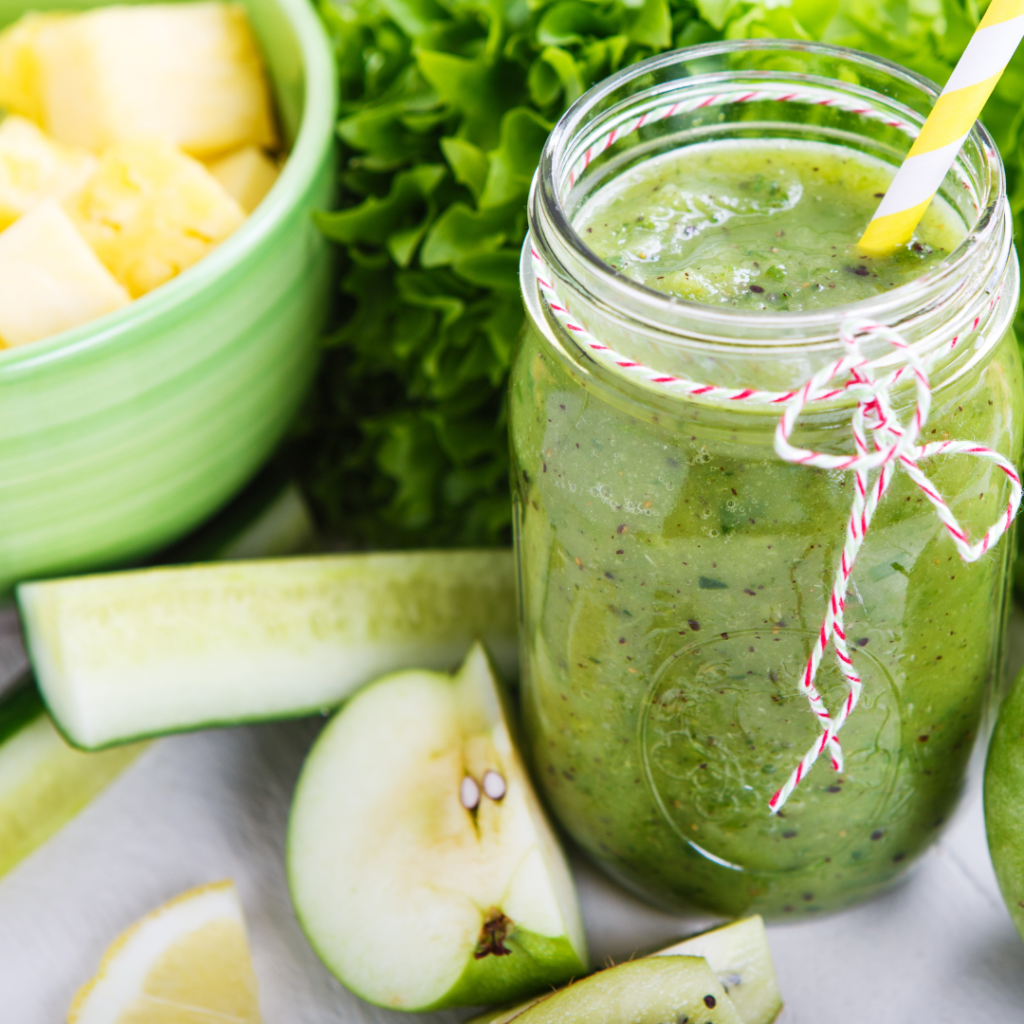
A bowl of fruit, including apples and pears

When you eat a whole apple, you’re consuming the entire structure of the fruit. The sugars — primarily fructose — are locked within the cell walls of the apple’s flesh. These walls are made up of fibre, including pectin, which slows digestion considerably. Your body has to physically break down that cellular structure before it can access the sugars. This process takes time. As a result, glucose enters your bloodstream gradually, your insulin response is measured, and you feel fuller for longer. One medium apple contains around 4–5 grams of fibre and takes genuine effort to consume and digest.

When you drink apple juice, even if it’s freshly pressed and 100% “natural,” the picture is completely different. The juicing process has already done the mechanical work of breaking down the cell walls. The fibre — your body’s great regulator — has been largely removed or rendered ineffective. What remains is liquid sugar, with virtually no structural complexity left to slow its absorption. That same apple’s worth of fructose now floods into your bloodstream rapidly, causing a sharper spike in blood sugar and a corresponding insulin response. And because the physical bulk and fibre are gone, the satiety signals that a whole apple would trigger simply don’t fire in the same way.

This is the food matrix at work. The apple and the juice contain similar ingredients, but they are nutritionally and physiologically worlds apart — because the matrix has been dismantled.

It’s Not the Food. It’s What You Do to It.
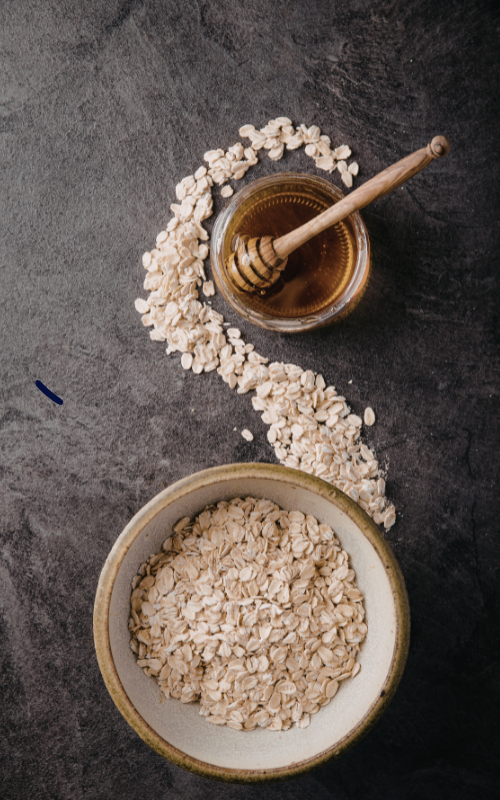
A bowl of whole oats

The apple example is a gateway into a much broader principle: food preparation and processing profoundly alter the food matrix, and therefore the nutritional experience of eating. Consider oats. A bowl of traditional, slow-cooked porridge oats has a robust matrix. The beta-glucan fibre forms a thick gel in your gut, slowing digestion, feeding beneficial bacteria, and helping to stabilise blood sugar. 

Instant porridge — where the oats have been pre-cooked, dried, and rolled thinner — breaks down far more quickly, offering less of that slow-release benefit. Same food. Very different matrix.

Or think about tomatoes. Raw tomatoes contain lycopene, a powerful antioxidant. But lycopene is actually morebioavailable when tomatoes are cooked and combined with a small amount of fat — like in a rich tomato sauce made with olive oil. Here, cooking and preparation enhance the food matrix rather than diminish it. Not everything lost is good; not everything gained is bad.

Even something as simple as chewing plays a role. Research has shown that more thoroughly chewed food is digested differently to food that’s eaten quickly, affecting satiety hormones and the rate of nutrient absorption. The matrix begins to shift the moment you take a bite.

Why Labelling Food ‘Good’ or ‘Bad’ Is Too Simple

When we call a food “bad,” we almost always mean a processed version of it — or a preparation that has stripped away the structural integrity that made it beneficial in the first place. White bread isn’t inherently bad; but compared to a dense, slow-fermented sourdough made with whole grains, its matrix is far less complex, its fibre far lower, and its impact on blood sugar far more pronounced.

The “bad food” label also ignores context entirely. A banana consumed after a long run, when your muscles are hungry for fast-releasing glucose, is a very different nutritional event to the same banana eaten sedentary on a sofa. The food hasn’t changed. The context has.

This matters because moral food labelling creates anxiety, guilt, and an all-or-nothing mindset that rarely serves our health. It directs our attention away from the things that genuinely shape nutritional quality: the degree of processing, the cooking method, the food combinations, the context of consumption, and the overall pattern of our diet.

Practical Takeaways: Honouring the Food Matrix
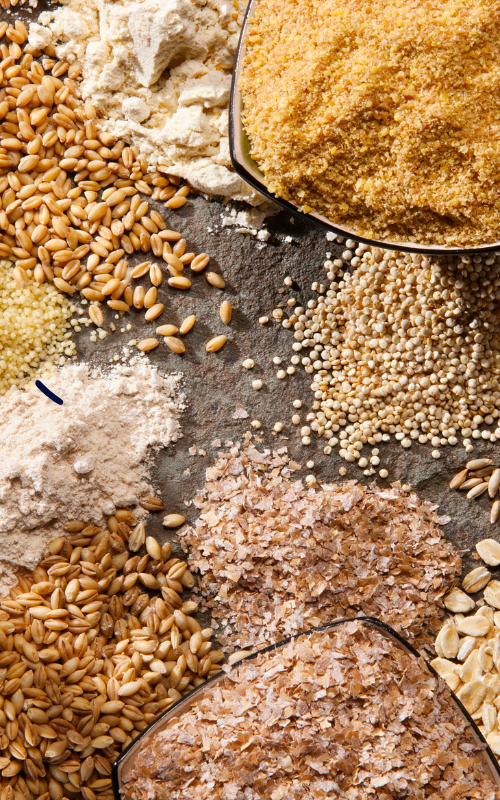
Whole grains
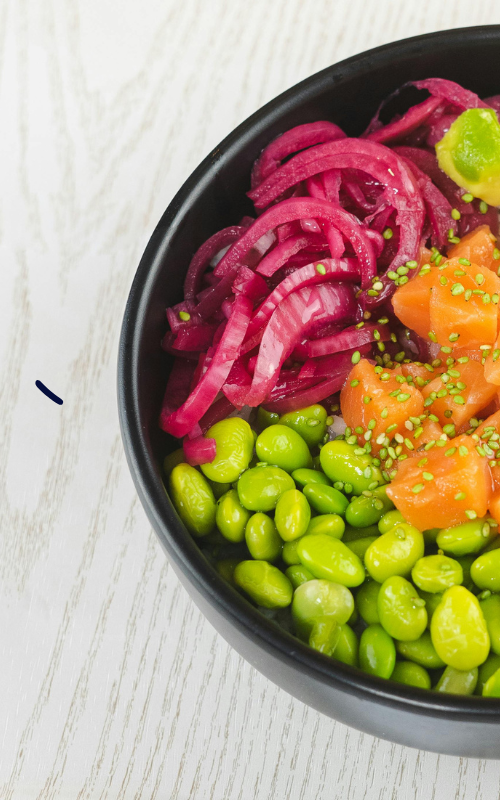
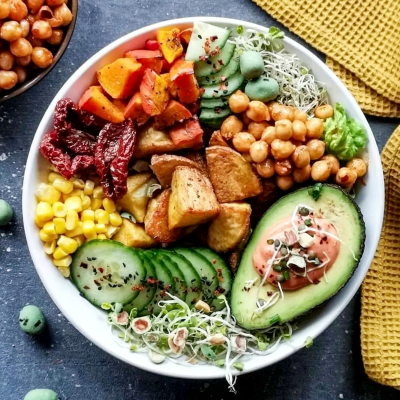
Edamame bean poke bowl
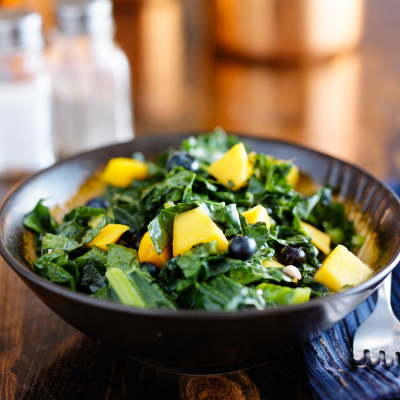
Fresh fruit

Understanding the food matrix doesn’t require a degree in biochemistry. It asks for a simple shift in perspective:

Choose whole over processed where you can. The closer a food is to its original form, the more likely its matrix is intact. This doesn’t mean never eating processed foods — it means appreciating that the further food travels from its original state, the more its matrix changes.

Think about preparation. Steaming vegetables retains more of their cellular structure and nutrients than boiling. Slow cooking legumes from dried preserves more beneficial compounds than relying solely on tinned versions. Small choices in the kitchen have real effects.

Eat, don’t drink, your calories. Liquids — smoothies, juices, even blended soups — have altered matrices that generally reduce satiety and speed up absorption compared to their whole-food equivalents. This isn’t a reason to avoid them; it’s a reason to be mindful about them.

Stop moralising food. There are no good or bad foods — only foods with different matrices, different contexts, and different roles in a diet. A diet built on variety, whole foods, and thoughtful preparation will serve you far better than one built on restriction and guilt.

The Bottom Line

The food matrix reminds us that nutrition is not a simple equation. The same nutrients in the same quantities can behave in vastly different ways depending on how they’re structured, processed, and prepared. An apple and apple juice are not the same thing. Whole oats and instant oats are not the same thing. And a food eaten in one context is not the same as that food eaten in another.

Rather than asking whether a food is good or bad, start asking: how whole is this? How has it been prepared? What has been added or removed? Those are the questions that actually move the needle — and the food matrix is the framework that helps you answer them.


Enjoyed this article? Share it with someone who’s still sorting their meals into “good” and “bad” — they might just change their mind.

Epigenetics and Aging After 40: Why Your Lifestyle Matters More Than Your Genes

If you’ve been told that aging is all about the genes you inherited, I have empowering news: science has turned that notion on its head. While your DNA provides the blueprint, the emerging field of epigenetics and aging reveals that your daily choices—what you eat, how you move, how you manage stress—are the real architects of how you age after 40.


What Is What Is Epigenetic Aging, and Why Should You Care?

Think of your genes as an instruction manual. Epigenetics determines which pages get read and which get bookmarked. The word comes from the Greek “epi,” meaning “above” or “upon,” because these changes sit above your genetic code, switching genes on or off without altering the DNA sequence itself.

A DNA image

Here’s the truly inspiring part: unlike genetic mutations, epigenetic changes are reversible. Research on identical twins dramatically illustrates this point. Despite sharing the same DNA, twins show increasingly different patterns of DNA methylation as they age due to environmental factors and lifestyle choices. One twin might develop diabetes while the other remains healthy—not because of different genes, but because of different epigenetic modifications shaped by their lifestyles.

Studies suggest that only about 25% of longevity is related to DNA sequence, while 75% is attributed to environmental influences such as diet, physical activity, and social interactions. Your genes load the gun, but your lifestyle pulls the trigger—or keeps the safety on.


Measuring Your True Biological Age with Epigenetic Clocks


Nutrition: Eating to Rewrite Your Genetic Story

The food on your plate sends powerful signals to your genes. Dietary interventions such as the Mediterranean and DASH diets have been shown to enhance health biomarkers and slow epigenetic aging through favourable DNA methylation.


Focus on these categories of nutrients:

A healthy plate of vegetables for healthy ageing

Methyl Donors: Green leafy vegetables rich in folate, eggs and liver containing choline, and fish providing B12 supply the building blocks for healthy DNA methylation patterns.

Epi-Bioactives: Polyphenols found in colourful fruits and vegetables, spices, coffee, green tea, and olive oil help regulate the enzymes that control epigenetic marks. Cruciferous vegetables like broccoli, brussels sprouts, and kale contain sulforaphane, which activates antioxidant pathways and reduces inflammation.

Learn more about nutrition and epigenetics at the National Institute on Aging and Stanford Lifestyle Medicine.


Exercise: Moving Your Way to Younger Cells

Physical activity doesn’t just strengthen muscles—it rewrites your epigenetic code. High-intensity interval training induces epigenetic modifications that improve metabolic function, mitochondrial biogenesis, and insulin sensitivity. Exercise enhances histone acetylation, which protects against cardiovascular disease, neurodegenerative disorders, and mood disturbances.

Research shows that after 8 weeks of voluntary resistance training, aged mice exhibited nearly 8 weeks of younger epigenetic age in their muscles. The human equivalent? Regular moderate exercise can literally turn back your cellular clock.

The key is consistency without extremes. Aim for 30 minutes of moderate to vigorous activity most days of the week. Whether it’s brisk walking, swimming, cycling, or strength training, find what you enjoy and stick with it.


Sleep: Your Nightly Reset Button

Woman sleeping

Sleep isn’t just rest—it’s when your body performs essential epigenetic maintenance. Seven to eight hours of quality sleep allows genes responsible for cellular repair and immune function to express properly. Sleep deprivation, conversely, accelerates epigenetic aging and increases inflammation markers.


Stress Management: Protecting Your Genes from Chronic Worry

Nearly 25% of DNA methylation sites associated with aging are located in stress response regions, highlighting the relationship between stress and accelerated aging. Chronic stress alters methylation of genes that regulate cortisol sensitivity, leading to prolonged stress responses and immune dysfunction.

The antidote? Practices like meditation, breathing exercises, yoga, and mindfulness have been shown to counteract stress-induced epigenetic damage. Even 20 minutes of daily relaxation practice can produce measurable benefits in your epigenetic age.


The Compounding Power of Lifestyle After 40

What makes epigenetics truly empowering is that you don’t need to be perfect—you need to be consistent. Small, sustainable changes compound over time. The person who eats more vegetables, takes daily walks, manages stress reasonably well, and maintains social connections is actively programming their genes for longevity and vitality.

Research shows that 12 weeks of improved lifestyle choices with regulated diet and exercise training were associated with changes in DNA methylation at regions of genes linked to tumour suppression, immune cell metabolism, and overall aging. Three months. That’s how quickly meaningful change can begin.


Your Epigenetic Future Starts Today

The science of epigenetics has given us something rare: genuine hope backed by rigorous research. You’re not trapped by your family history or your genes. Every meal, every workout, every good night’s sleep, every moment of calm breathing—these are all opportunities to influence your gene expression in positive ways.

Yes, some people have genetic advantages. But recent studies indicate that reversible epigenetic drift constitutes a central regulator of aging and age-related diseases. What you do matters more than what you inherited. Your forties, fifties, sixties, and beyond can be decades of vitality, energy, and health if you make choices that support healthy gene expression.

The power to age well isn’t locked in your DNA—it’s in your hands, on your plate, in your daily routines, and in the way you choose to live each day. That’s not just inspiring; it’s scientifically validated truth.


Ready to Take Control of Your Biological Age?

If you’re ready to apply the science of epigenetics to your own life, I’d love to support you. As a health coach specialising in helping people over 40 age well, I create personalised programs that translate cutting-edge research into practical, sustainable lifestyle changes.

Set Point Theory: Why Your Body Defends Its Weight


What Is Set Point Theory?

Woman in workout gear eating salad

The Research Behind Set Point Theory

Key Studies and Findings


What You Can Do to Work With (Not Against) Your Set Point

1. Focus on Gradual, Sustainable Changes

2. Prioritise Protein and Fibre

3. Build and Maintain Muscle Mass

4. Optimise Sleep and Manage Stress

5. Use Strategic Refeeds and Diet Breaks

6. Develop Non-Food Coping Strategies

7. Focus on Behaviour Change, Not Just Weight

8. Consider Your Personal History

The Bottom Line

What is Fibremaxxing? – The Gut-Health Trend You Need to Know About

A vibrant still life of fresh herbs on a rustic wooden cutting board, perfect for culinary inspiration.

Could Stress Be Sabotaging Your Weight Loss?

From above of crop anonymous plump female using measuring tape around hips in gym


Belly Fat

Why Insulin Resistance Increases as We Age – And What to Do About It


Inflammation

What is it and should I be worried?

Inflammation is a double-edged sword. On one hand, it’s your body’s natural response to injury or infection, helping to heal and protect. On the other hand, when inflammation sticks around too long, it can wreak havoc on your health. Let’s dive into why chronic inflammation is bad news and what you can do about it.

The Good and Bad of Inflammation

Inflammation is a double-edged sword. On one hand, it’s your body’s natural response to injury or infection, helping to heal and protect. On the other hand, when inflammation sticks around too long, it can wreak havoc on your health. Let’s dive into why chronic inflammation is bad news and what you can do about it.

First, let’s give inflammation some credit. Acute inflammation is that immediate, short-term response your body has to harm. Think of it as your body’s internal fire department rushing to put out a fire. It’s what happens when you scrape your knee or catch a cold – the redness, swelling, heat, and pain are all signs that your immune system is kicking into gear to repair and defend.

But what happens when that fire department doesn’t leave? Chronic inflammation is like having a low-grade fire smouldering in your body all the time. It can be sparked by various things – stress, poor diet, lack of exercise, or even long-term exposure to pollutants. Instead of helping, this constant state of alert can damage your cells and tissues..

The Impact of Chronic Inflammation

  1. Heart Problems: Chronic inflammation is a big player in heart disease. It can cause plaque buildup in your arteries, leading to atherosclerosis. These plaques can rupture, causing heart attacks or strokes. Not cool.
  2. Diabetes: Inflammation messes with your body’s ability to use insulin, which can lead to type 2 diabetes. High blood sugar levels damage your organs and nerves over time, making diabetes a serious issue.
  3. Cancer: Long-term inflammation can cause DNA damage, leading to uncontrolled cell growth and cancer. Conditions like ulcerative colitis and hepatitis are linked to higher cancer risks in the colon and liver, respectively.
  4. Autoimmune Diseases: Diseases like rheumatoid arthritis, lupus, and multiple sclerosis are marked by chronic inflammation. Here, your immune system gets confused and starts attacking your own tissues, causing persistent inflammation and pain.
  5. Brain Health: Inflammation in the brain is linked to neurodegenerative diseases like Alzheimer’s and Parkinson’s. It can damage brain cells and mess up communication pathways, contributing to memory loss and cognitive decline.
  6. Obesity: Fat cells, especially those around your belly, can release inflammatory chemicals. This can lead to a vicious cycle where inflammation makes it harder to lose weight, and excess weight leads to more inflammation.

Lifestyle Choices That Fuel Inflammation

Some everyday choices can stoke the flames of chronic inflammation:

  • Diet: Eating lots of processed foods, sugar, and unhealthy fats can trigger inflammation. On the flip side, a diet rich in fruits, veggies, whole grains, and healthy fats like omega-3s can help keep it in check.
  • Exercise: Regular physical activity helps reduce inflammation. A sedentary lifestyle does the opposite.
  • Stress: Chronic stress keeps your body in a constant state of alert, releasing stress hormones that promote inflammation. Finding ways to manage stress, like meditation, exercise, or hobbies, can make a big difference.
  • Smoking and Alcohol: Both smoking and heavy drinking increase inflammation and are linked to various inflammatory diseases.

How to Chill Out Chronic Inflammation

Reducing chronic inflammation is all about balance and healthy living. Here are some tips:

  • Eat a balanced diet: Focus on whole, unprocessed foods. Think colorful veggies, fruits, lean proteins, and healthy fats.
  • Stay active: Aim for at least 30 minutes of moderate exercise most days of the week. Even a daily walk can make a huge difference.
  • Manage stress: Incorporate stress-relief techniques into your routine, whether it’s yoga, meditation, or just spending time doing things you love.
  • Avoid smoking and limit alcohol: Quitting smoking and drinking alcohol in moderation can significantly reduce inflammation.

Understanding and managing chronic inflammation can help you live a healthier, happier life. By making a few lifestyle changes, you can keep the fires of inflammation under control and protect your long-term health.

Woman doing yoga at sunset
Woman eating a bowl of salad
woman running

Building a Healthier Future

A woman breathing deeply next to a tree
Green Smoothie

How to Start a Good Habit in 2025

As we step into 2025, it’s a great time to focus on building habits that contribute to a healthier, happier future. Unlike fleeting New Year’s resolutions, forming sustainable habits can bring long-lasting change to your life. Let’s explore the science of habit formation and how you can apply practical strategies like habit stacking and rewards to make new habits stick.

The Science Behind Habit Formation

Habits are behaviors wired into our brains through repetition. Psychologist James Clear, author of Atomic Habits, explains that every habit follows a simple loop: cue, craving, response, and reward. Understanding this loop can help you design habits that seamlessly integrate into your life.

  • Cue: A trigger that starts the habit.
  • Craving: The desire for the outcome of the habit.
  • Response: The action you take.
  • Reward: The benefit or satisfaction you gain from completing the habit.

The key to creating a new habit lies in identifying a reliable cue and ensuring the reward is satisfying enough to keep you coming back for more.

Practical Strategies for Starting Good Habits

Here are some proven strategies to help you establish new habits and make them stick:

  1. Start Small Begin with habits so simple that they feel almost effortless. If your goal is to exercise regularly, commit to just five minutes of movement a day. Small wins build momentum and confidence.
  2. Use Habit Stacking Habit stacking involves attaching a new habit to an existing one. For example, if you already brush your teeth every morning, you could add a new habit like doing 10 squats immediately afterward. This strategy leverages the structure of your day to create consistency.Example: “After I make my morning coffee, I will write down one thing I’m grateful for.”
  3. Set Clear Intentions Ambiguity is the enemy of habit formation. Instead of saying, “I’ll eat healthier,” be specific: “I’ll eat a piece of fruit with breakfast every day.” Clarity provides direction and removes decision fatigue.
  4. Create an Environment for Success Make your environment work for you by reducing friction for good habits and increasing friction for bad ones. For instance, if you want to drink more water, keep a water bottle within arm’s reach at all times.
  5. Celebrate Small Wins Rewards are essential for reinforcing new habits. Celebrate your progress, no matter how small. This could be as simple as acknowledging your effort with a positive affirmation or treating yourself to something you enjoy.

Overcoming Common Challenges

Building a new habit isn’t always smooth sailing. Here are ways to tackle common obstacles:

  • Lack of Motivation: Focus on building systems, not relying on willpower. For example, set reminders or pair up with an accountability partner.
  • Impatience: Remember, habits take time. Research suggests it takes an average of 66 days to form a habit, so stay consistent and be patient with yourself.
  • Breaking the Chain: Life happens, and you may miss a day. The key is to avoid missing two days in a row. Get back on track as soon as possible.

Visualise Your Healthier Future

As you embark on this journey, take a moment to visualise the future you’re working toward. Imagine how your new habits will improve your energy, mood, and overall well-being. Let this vision inspire you to stay consistent, even when the initial excitement fades.

Final Thoughts

Starting a good habit in 2025 doesn’t have to be overwhelming. By understanding the science of habits and applying practical strategies like habit stacking, small steps, and rewards, you can lay the foundation for a healthier and happier future. Remember, it’s not about perfection; it’s about progress. Celebrate each step forward, and watch how these small changes compound into a transformative year ahead. If you’d like to know more about how I can help you in 2025 then message me to organise a free discovery call.

What new habit will you start today to build a healthier tomorrow?

The importance of sleep

In the quest for a healthier lifestyle, we often focus on diet and exercise as the primary drivers of weight management. While these are undoubtedly crucial, sleep plays a significant role in maintaining a healthy weight. The simple act of getting enough sleep each night can make a profound difference in your waistline and overall well-being. The importance of a good nights sleep should not be underestimated!

Woman sleeping

In today’s busy world which glorifies burning the midnight oil and sacrificing sleep for productivity, it’s easy to underestimate the importance of quality sleep in maintaining a healthy weight. However, research consistently shows that insufficient sleep can disrupt the delicate balance of hormones that regulate hunger, appetite, and metabolism, ultimately leading to weight gain and increased risk of obesity.

Hormones and sleep

One of the key hormones affected by sleep deprivation is leptin, often referred to as the “satiety hormone.” Leptin signals to your brain that you’re full and satisfied after eating, helping to regulate energy balance and prevent overeating. However, when you don’t get enough sleep, leptin levels drop, making you feel hungrier and more prone to overeating, especially high-calorie, carbohydrate-rich foods that provide quick energy boosts.

On the flip side, sleep deprivation also disrupts another important hormone called ghrelin, often dubbed the “hunger hormone.” Ghrelin stimulates appetite and increases food intake, particularly for high-calorie foods. When you’re sleep-deprived, ghrelin levels rise, intensifying feelings of hunger and cravings, which can lead to excessive calorie consumption and weight gain over time.

But the impact of sleep on weight management doesn’t stop there. In addition to hormonal disruptions, lack of sleep can also affect your body’s ability to metabolise carbohydrates, leading to insulin resistance and an increased risk of developing type 2 diabetes. Sleep deprivation impairs cognitive function and decision-making, making it harder to resist unhealthy food choices and stick to your dietary goals.

Woman with daisy in belly button

What you can do

So, what can you do to prioritise sleep and harness its weight-management benefits? Start by establishing a consistent sleep schedule and aim for 7-9 hours of quality sleep each night. Create a relaxing bedtime routine to signal to your body that it’s time to wind down.  Things such as reading a book, taking a warm bath, or practicing meditation. Limit exposure to screens and electronic devices before bed, as the blue light emitted can disrupt your natural sleep-wake cycle.

In conclusion, sleep is not a luxury but a necessity for maintaining a healthy weight and overall well-being. By prioritising adequate sleep and addressing any sleep-related issues, you can optimise your body’s hormonal balance, improve your metabolism, and enhance your ability to make healthier choices throughout the day. So, the next time you’re tempted to sacrifice sleep for productivity, remember that a good night’s rest is just as essential for your waistline as it is for your mind and body.

How to help reduce anxiety

According to the latest research published by The New Scientist there are several ways that we can all help reduce our anxiety.  They’ve highlighted these five methods to help reduce and manage stress.

Confront your Demons

Illustration of man sitting down with shadow over him

Exposure therapy is a variation of CBT (cognitive behavioural therapy) which, encourages people to confront the sources of their anxiety. Often people resort to “avoidance” as a means to manage their concerns, which alleviates immediate distress but can hinder your ability to confront and overcome your fears. 

For instance, someone grappling with social anxiety might consistently decline social invitations. This can reinforce their belief that interactions with unfamiliar people are daunting. However, by challenging themselves to participate, they may discover that engaging in casual conversation isn’t as daunting as anticipated.

Get Moving

Doing cardio exercise offers many benefits for both physical and mental health, including a notable reduction in anxiety levels. When we engage in activities like running, swimming, or cycling, our bodies release endorphins, neurotransmitters known for their mood-boosting properties. These endorphins interact with receptors in the brain, triggering positive feelings and reducing sensations of pain and stress.

Also, cardio exercise serves as a distraction from the sources of anxiety. It can provide a focused outlet for pent-up energy and tension. As we commit to regular aerobic workouts, we often experience improvements in sleep quality. Sleep quality is also closely linked to reduced anxiety levels.

Picture of woman running

Additionally, cardiovascular exercise promotes better cardiovascular health, which can help reduce blood pressure and reduce your heart rate.

In addition, the sense of accomplishment and empowerment gained from progressing in your fitness goals can improve self-confidence and resilience in managing stressors. Overall, incorporating cardio exercise into your routine can serve as a powerful tool. It’s just one tool in the arsenal against anxiety, promoting both physical well-being and improving mental health.

Lift Weights

Back view of woman at gym

There’s increasing evidence suggesting how important weight and resistance training is to our health. Resistance training, including activities like weightlifting, bodyweight exercises, and resistance bands workouts. It offers more than just physical benefits—it can significantly impact mental health and alleviate anxiety. 

Engaging in regular resistance training prompts the brain to release endorphins, neurotransmitters known for their mood-boosting effects. This can create a natural sense of euphoria and well-being. In addition, the structured nature of resistance training can provide a sense of control and accomplishment, counteracting feelings of helplessness often associated with anxiety. 

Weight training can often lead to increased self-confidence and self-esteem, which are vital components of good mental health. Additionally, the focus required during resistance training sessions can serve as a distraction from anxious thoughts, promoting mindfulness and stress reduction. 

Over time, consistent resistance training can lead to improved overall mental health, offering you a powerful tool for managing anxiety and enhancing your quality of life.

Change your diet

Changing your diet can be a transformative step towards better mental health and anxiety reduction. Choosing a diet rich in nutrient-dense foods such as fruits, vegetables, whole grains, lean proteins, and healthy fats provides the body with essential vitamins, minerals, and antioxidants necessary for optimal brain function. For example, omega-3 fatty acids found in fish, flaxseeds, and walnuts have been linked to improved mood regulation and decreased anxiety levels.

In addition, maintaining stable blood sugar levels through balanced meals and snacks can help prevent mood swings and promote a more stable emotional state.

Picture of a bowl of lettuce and bowls of healthy food

Avoiding excessive consumption of refined sugars and processed foods can also mitigate inflammation in the body. Inflammation has been associated with increased risk of depression and anxiety.

Incorporating probiotic-rich foods like yogurt, kefir, and sauerkraut can support gut health, which is increasingly recognized as influential in mood regulation and anxiety management through the gut-brain axis.

Making mindful choices about what you eat can positively impact neurotransmitter function, hormone regulation, and overall brain health. Over time, these dietary changes can lead to significant improvements in mental well-being. They can foster a sense of calm, clarity, and resilience in the face of stress and anxiety.

Be Mindful

Woman meditating on beach at sunset

Mindfulness, the practice of being present and non-judgmentally aware of your thoughts, feelings, and surroundings, is a powerful tool for alleviating anxiety. By focusing on the present moment, you can interrupt the cycle of worry and stress that often fuels anxiety. 

Mindfulness techniques such as deep breathing and meditation promote relaxation, reduce stress hormones, and activate the body’s relaxation response. Over time, regular mindfulness practice rewires the brain, enhancing emotional regulation and resilience to stressors. By cultivating a mindful approach to life, you can experience greater peace, clarity, and a reduced sense of anxiety.