Introduction
Helicobacter pylori (H. pylori) is a common bacteria that infects the stomach lining. It affects millions of people worldwide and it is suggested that 50% of the world’s population have this bacteria in their gut. While not always causing symptoms, this infection can lead to various gastrointestinal issues. Those can include gastritis, peptic ulcers, and even stomach cancer if left untreated. However, there’s promising evidence suggesting that adopting a healthy diet may help mitigate the risks associated with H. pylori infection.
Understanding Helicobacter Pylori (H Pylori)

H. pylori is a spiral-shaped bacterium that thrives in the mucous layer lining the stomach. It’s primarily transmitted through contaminated food, water, or direct contact with an infected person. Once inside the body, it can weaken the stomach’s protective lining, and increase the risk of inflammation and ulcer formation.
While many people with this infection remain asymptomatic, some may experience symptoms. They can include abdominal pain, bloating, nausea, vomiting, and unintentional weight loss. Long-term infection can lead to more severe complications. These include peptic ulcers and an increased risk of stomach cancer, particularly in individuals with a family history or other risk factors.
The Role of Diet in Managing H. pylori Infection
While antibiotics are typically prescribed to eradicate H. pylori, researchers are increasingly exploring the role of diet in managing the infection and reducing associated risks. Although diet alone may not eliminate the bacteria, certain food choices can help support overall stomach health. Choosing such foods can minimise inflammation, potentially aiding in the management of H. pylori-related symptoms.
Incorporating Antioxidant-Rich Foods
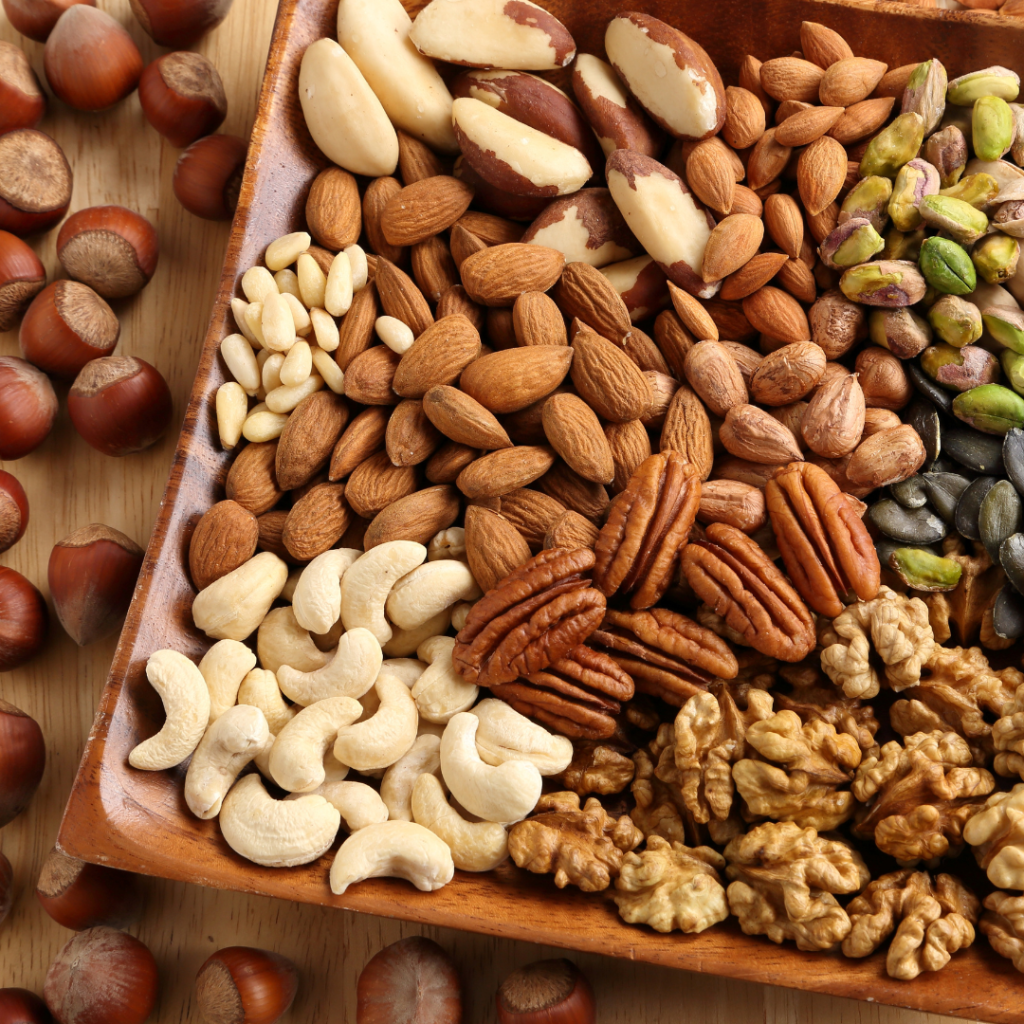
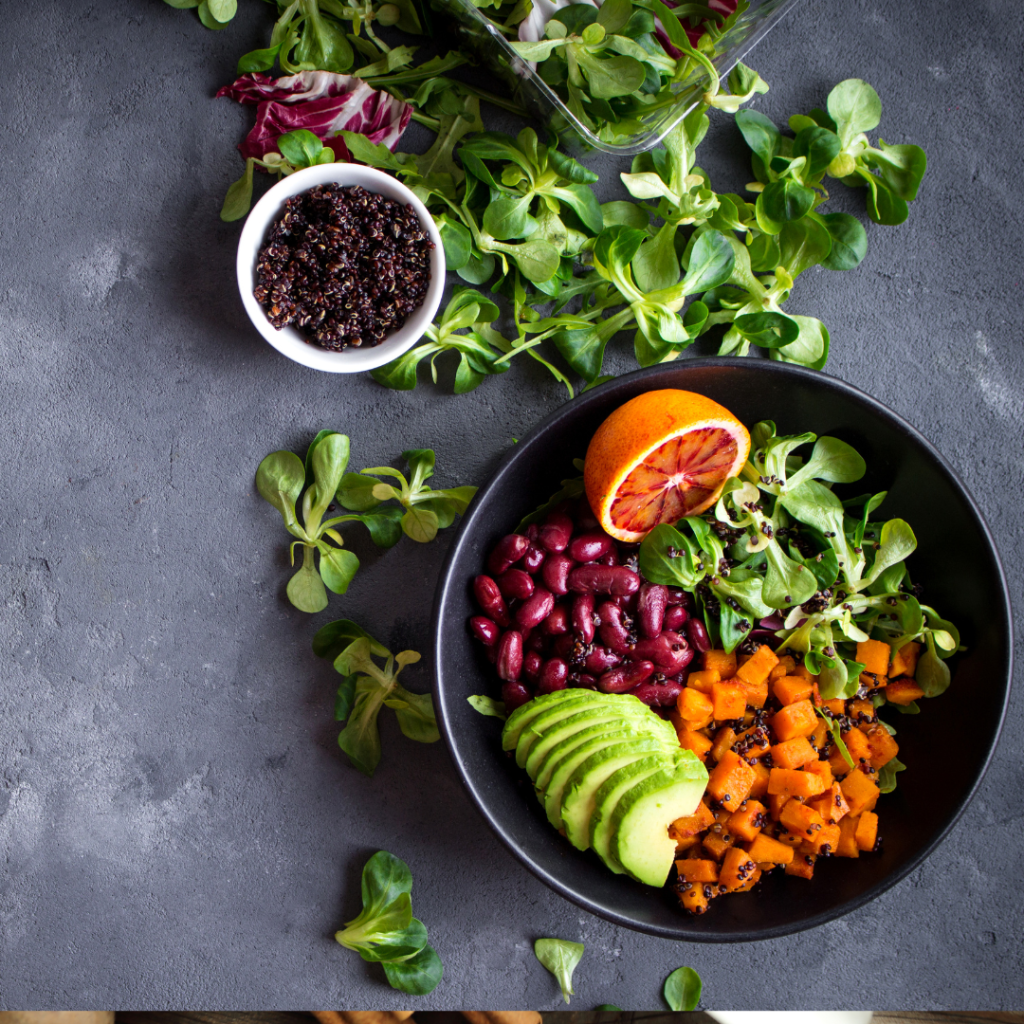
Antioxidants are compounds that help protect the body from oxidative stress and inflammation. Including plenty of antioxidant-rich foods in your diet may help combat the damage caused by H. pylori and support stomach health. Foods such as berries, leafy greens, nuts, seeds, and colourful fruits and vegetables are excellent sources of antioxidants and should be incorporated into your daily meals. As part of a healthy diet, you should also be aiming to eat 30 different types of fruit, vegetables, nuts, seeds and pulses a week

Probiotic Foods
Probiotics are beneficial bacteria that can help promote a healthy gut microbiome. Consuming probiotic-rich foods like yogurt, kefir, sauerkraut, and kimchi can help restore balance to the gut flora disrupted by this infection. Probiotics may also help alleviate gastrointestinal symptoms and support the body’s natural defence mechanisms against harmful bacteria.
Limiting Acidic and Spicy Foods
While certain foods can support stomach health, others may exacerbate H. pylori-related symptoms. Acidic foods like citrus fruits, tomatoes, and vinegar, as well as spicy foods, can irritate the stomach lining in vulnerable individuals and worsen symptoms such as heartburn and indigestion. Limiting these foods or consuming them in moderation may help alleviate discomfort associated with H. pylori infection
Choosing Whole, Nutrient-Dense Foods
A diet rich in whole, nutrient-dense foods provides essential vitamins, minerals, and phytonutrients that support overall health and immunity. Choose whole grains, lean proteins, healthy fats, and plenty of fruits and vegetables to ensure your body receives the nutrients it needs to combat H. pylori infection and maintain optimal digestive function.

Conclusion
While diet alone cannot eradicate H. pylori infection, making healthy dietary choices can play a significant role in managing symptoms, reducing inflammation, and supporting overall stomach health. By incorporating antioxidant-rich foods, probiotics, and whole, nutrient-dense foods into your diet while limiting acidic and spicy foods, you can help mitigate the risks associated with H. pylori infection and promote a healthy digestive system for years to come. As always, it’s essential to consult with a healthcare professional for personalised advice and treatment options. If you suspect you have an H. pylori infection or experience persistent gastrointestinal symptoms.

For more information or to book a consultation please get in touch rebeccajfarrington@icloud.com