Forget carb-cutting or protein-packing — the new nutrition buzzword is fibremaxxing. While trends come and go, this one is backed by solid science. Fibre is the unsung hero of health, and most of us aren’t getting nearly enough. An the truth is, you can start to see the benefits of fibremaxxing quite quickly. In a recent blog I explored this in more detail. Read here
What is Fibremaxxing?
Fibremaxxing means consciously increasing your fibre intake to support gut health, digestion, energy levels, and long-term wellness. It’s not about supplements or fad diets — just eating more of the right plant-based foods.
Why Fibre Matters So Much
- Gut health: Fibre feeds your gut microbiome, which controls everything from immunity to mood.
- Heart health: Higher fibre diets are linked to lower cholesterol and reduced risk of cardiovascular disease.
- Blood sugar: Fibre slows digestion, helping balance blood sugar and prevent energy dips.
- Weight management: High-fibre foods are more filling, reducing cravings.
- Longevity: Research connects fibre-rich diets to lower risks of chronic disease and healthier ageing.
How Much Do We Need?
- NHS guidelines: 30g a day minimum
- Average UK intake: 18g a day
That’s a huge gap — and fibremaxxing is about closing it.
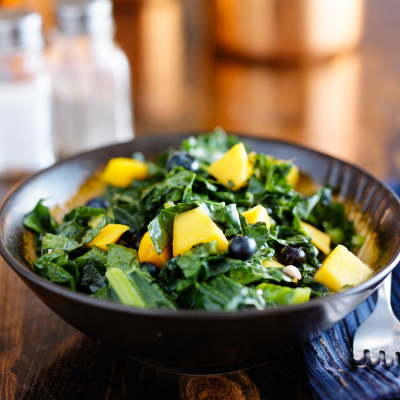
How to Fibremaxx Your Diet (Simple Swaps & Tips)
Here are some simple everyday swaps that can make a huge difference:
- Bread → Choose seeded or wholegrain instead of white
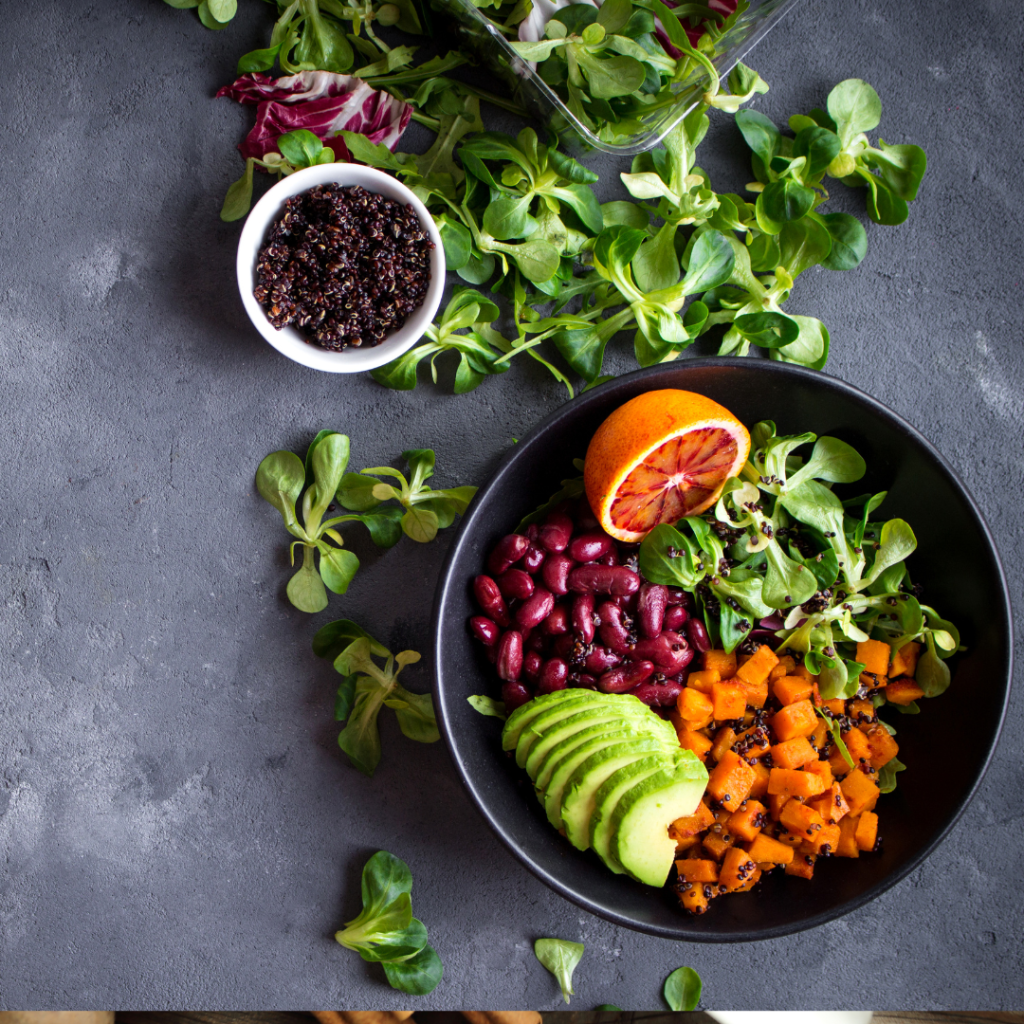
- Rice → Swap white rice for brown rice, quinoa, or bulgur wheat
- Pasta → Use wholewheat pasta or pulse-based pasta (like lentil or chickpea)
- Breakfast cereal → Pick oats, Weetabix, or bran flakes over sugary cereals
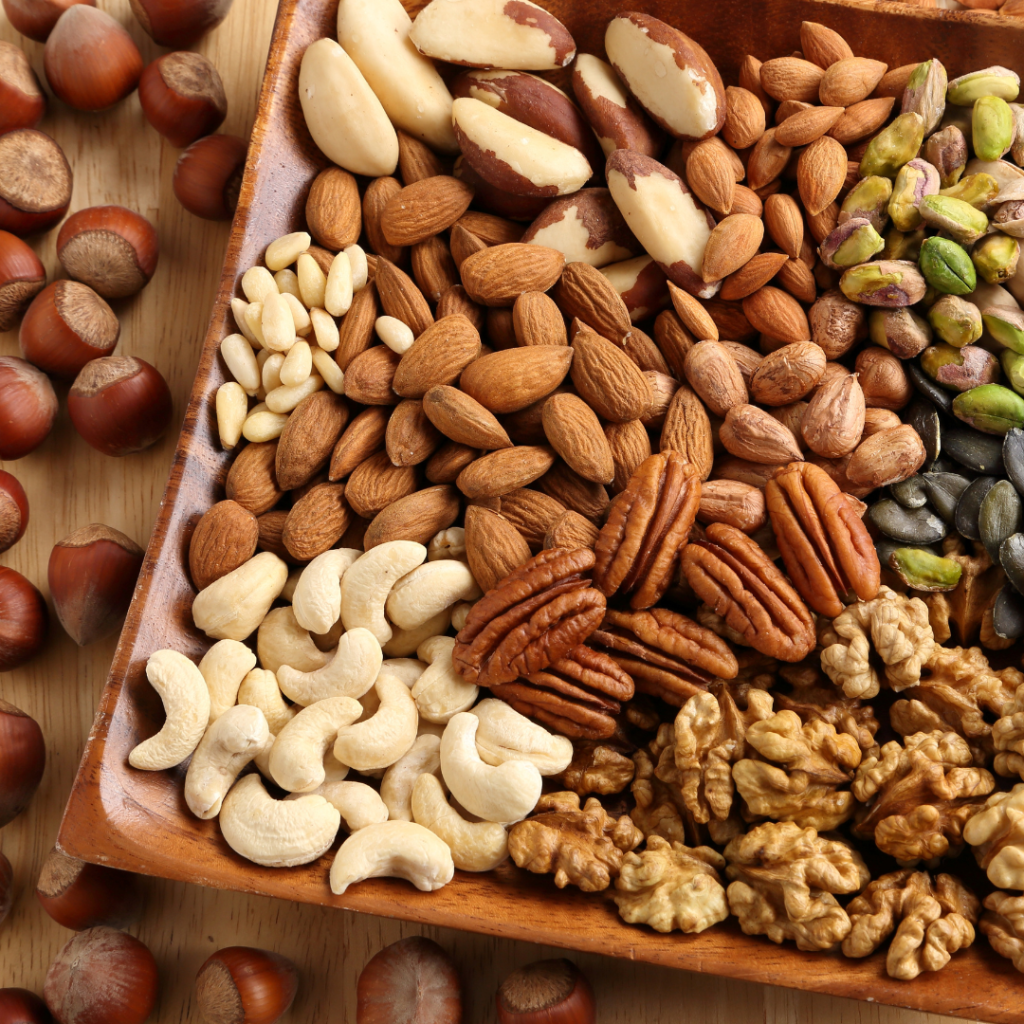
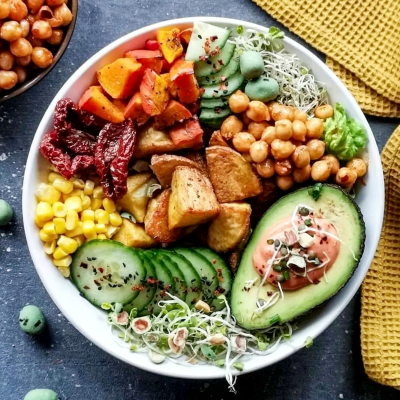
- Snacks → Try air-popped popcorn, nuts, or roasted chickpeas instead of crisps or biscuits
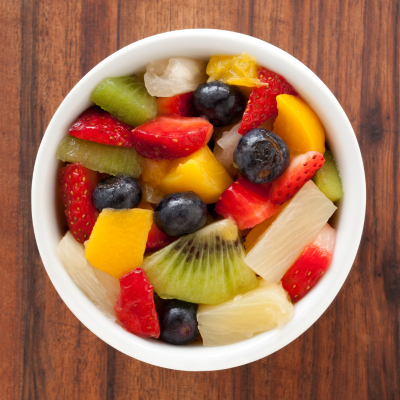
- Fruit juice → Eat the whole fruit (apple, orange, berries) for fibre as well as vitamins
- Potatoes → Keep the skin on, or try sweet potatoes for extra fibre
- Dips → Swap creamy dips for hummus, guacamole, or bean dip
- Dessert → Fresh fruit with yoghurt and seeds instead of cake or chocolate bars
Practical Example: A Fibremaxxed Day
Breakfast: Overnight oats with chia seeds, raspberries, and walnuts (12g fibre)
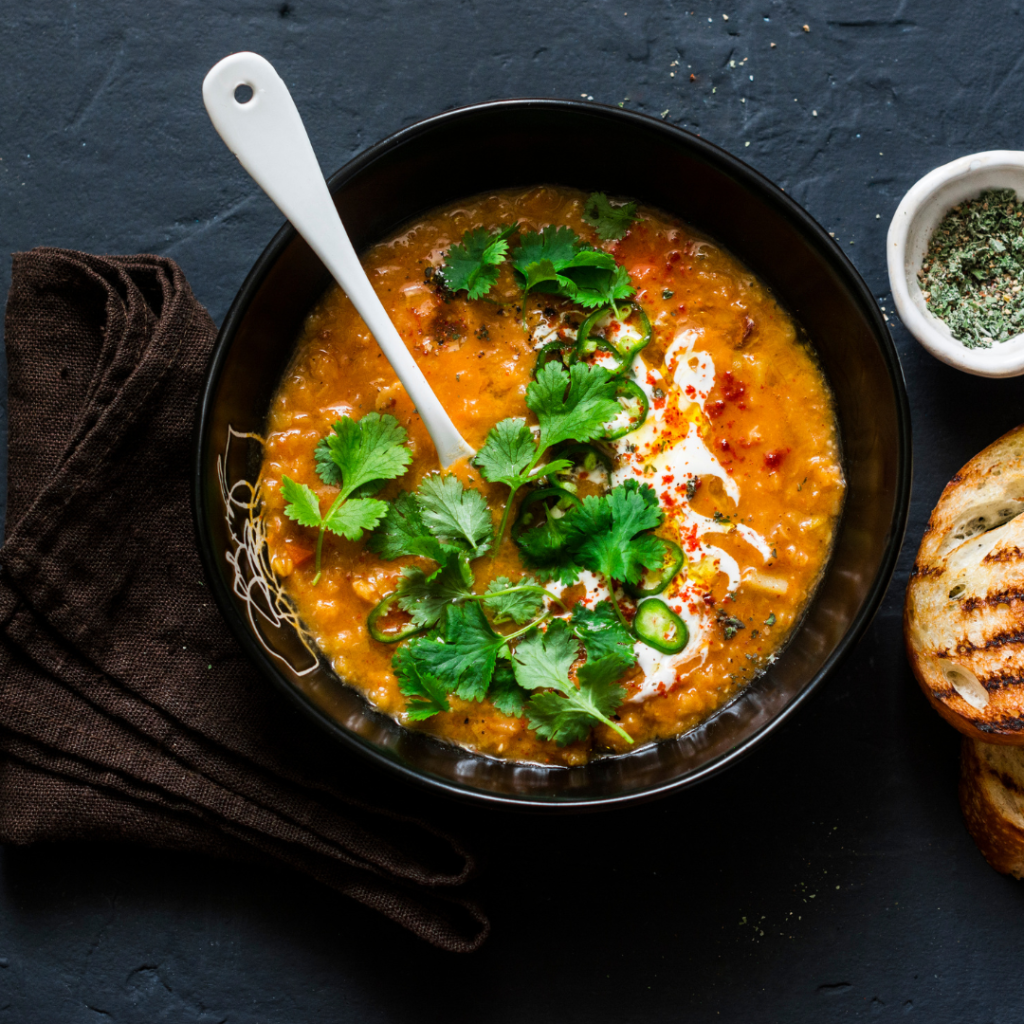
Lunch: Lentil and vegetable soup with wholegrain toast (10g fibre)
Snack: Apple with a tablespoon of peanut butter (5g fibre)
Dinner: Quinoa, roasted vegetables, and chickpeas (12g fibre)
Total = 39g fibre
Final Thoughts
Fibremaxxing isn’t about restriction — it’s about addition. By consciously building more fibre into your meals, you can transform your gut health, energy, and even your long-term future health.
A note of caution: If you have a digestive disorder such as IBS, Crohn’s, or ulcerative colitis, it’s important to seek medical advice before making big dietary changes. Fibre can be very beneficial, but certain types can also trigger symptoms in sensitive guts. And for everyone, the key is to increase fibre slowly and drink enough water — otherwise, you may experience bloating or discomfort.