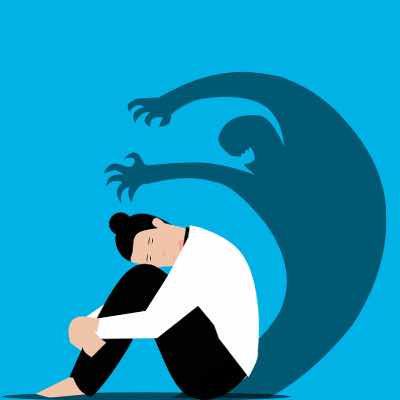
According to the latest research published by The New Scientist there are several ways that we can all help reduce our anxiety. They’ve highlighted these five methods to help reduce and manage stress.
Confront your Demons
Exposure therapy is a variation of CBT (cognitive behavioural therapy) which, encourages people to confront the sources of their anxiety. Often people resort to “avoidance” as a means to manage their concerns, which alleviates immediate distress but can hinder your ability to confront and overcome your fears.
For instance, someone grappling with social anxiety might consistently decline social invitations. This can reinforce their belief that interactions with unfamiliar people are daunting. However, by challenging themselves to participate, they may discover that engaging in casual conversation isn’t as daunting as anticipated.
Get Moving
Doing cardio exercise offers many benefits for both physical and mental health, including a notable reduction in anxiety levels. When we engage in activities like running, swimming, or cycling, our bodies release endorphins, neurotransmitters known for their mood-boosting properties. These endorphins interact with receptors in the brain, triggering positive feelings and reducing sensations of pain and stress.
Also, cardio exercise serves as a distraction from the sources of anxiety. It can provide a focused outlet for pent-up energy and tension. As we commit to regular aerobic workouts, we often experience improvements in sleep quality. Sleep quality is also closely linked to reduced anxiety levels.
Additionally, cardiovascular exercise promotes better cardiovascular health, which can help reduce blood pressure and reduce your heart rate.
In addition, the sense of accomplishment and empowerment gained from progressing in your fitness goals can improve self-confidence and resilience in managing stressors. Overall, incorporating cardio exercise into your routine can serve as a powerful tool. It’s just one tool in the arsenal against anxiety, promoting both physical well-being and improving mental health.
Lift Weights
There’s increasing evidence suggesting how important weight and resistance training is to our health. Resistance training, including activities like weightlifting, bodyweight exercises, and resistance bands workouts. It offers more than just physical benefits—it can significantly impact mental health and alleviate anxiety.
Engaging in regular resistance training prompts the brain to release endorphins, neurotransmitters known for their mood-boosting effects. This can create a natural sense of euphoria and well-being. In addition, the structured nature of resistance training can provide a sense of control and accomplishment, counteracting feelings of helplessness often associated with anxiety.
Weight training can often lead to increased self-confidence and self-esteem, which are vital components of good mental health. Additionally, the focus required during resistance training sessions can serve as a distraction from anxious thoughts, promoting mindfulness and stress reduction.
Over time, consistent resistance training can lead to improved overall mental health, offering you a powerful tool for managing anxiety and enhancing your quality of life.
Change your diet
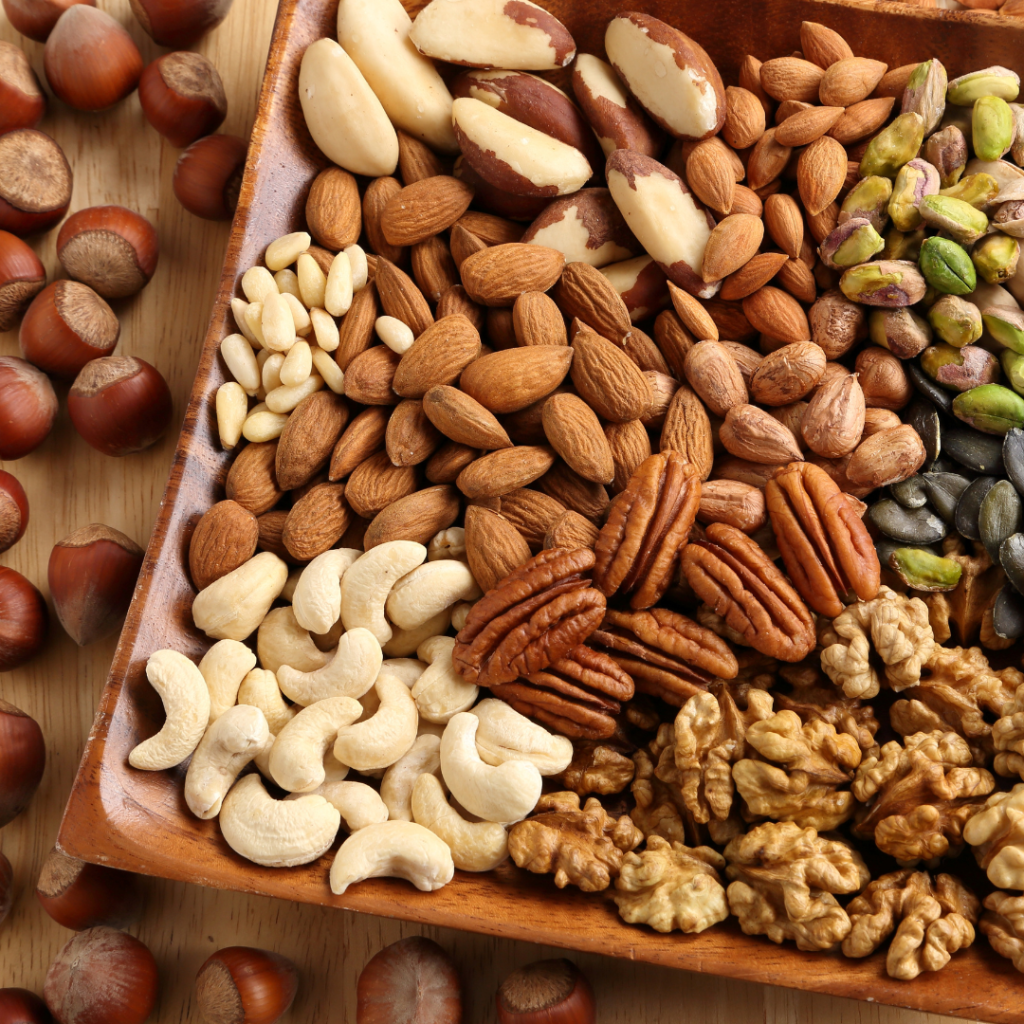
Changing your diet can be a transformative step towards better mental health and anxiety reduction. Choosing a diet rich in nutrient-dense foods such as fruits, vegetables, whole grains, lean proteins, and healthy fats provides the body with essential vitamins, minerals, and antioxidants necessary for optimal brain function. For example, omega-3 fatty acids found in fish, flaxseeds, and walnuts have been linked to improved mood regulation and decreased anxiety levels.
In addition, maintaining stable blood sugar levels through balanced meals and snacks can help prevent mood swings and promote a more stable emotional state.
Avoiding excessive consumption of refined sugars and processed foods can also mitigate inflammation in the body. Inflammation has been associated with increased risk of depression and anxiety.
Incorporating probiotic-rich foods like yogurt, kefir, and sauerkraut can support gut health, which is increasingly recognized as influential in mood regulation and anxiety management through the gut-brain axis.
Making mindful choices about what you eat can positively impact neurotransmitter function, hormone regulation, and overall brain health. Over time, these dietary changes can lead to significant improvements in mental well-being. They can foster a sense of calm, clarity, and resilience in the face of stress and anxiety.
Be Mindful
Mindfulness, the practice of being present and non-judgmentally aware of your thoughts, feelings, and surroundings, is a powerful tool for alleviating anxiety. By focusing on the present moment, you can interrupt the cycle of worry and stress that often fuels anxiety.
Mindfulness techniques such as deep breathing and meditation promote relaxation, reduce stress hormones, and activate the body’s relaxation response. Over time, regular mindfulness practice rewires the brain, enhancing emotional regulation and resilience to stressors. By cultivating a mindful approach to life, you can experience greater peace, clarity, and a reduced sense of anxiety.