Embracing Intuitive Eating – A path to empowerment for women

In a world that bombards women with countless diets and unrealistic beauty standards, the concept of intuitive eating emerges as a beacon of liberation and empowerment. Intuitive eating is not just another diet trend; it’s a philosophy that encourages women to reconnect with their bodies, trust their instincts, and cultivate a healthy relationship with food. Embracing intuitive eating really can be a game-changer for women.

What is intuitive eating?
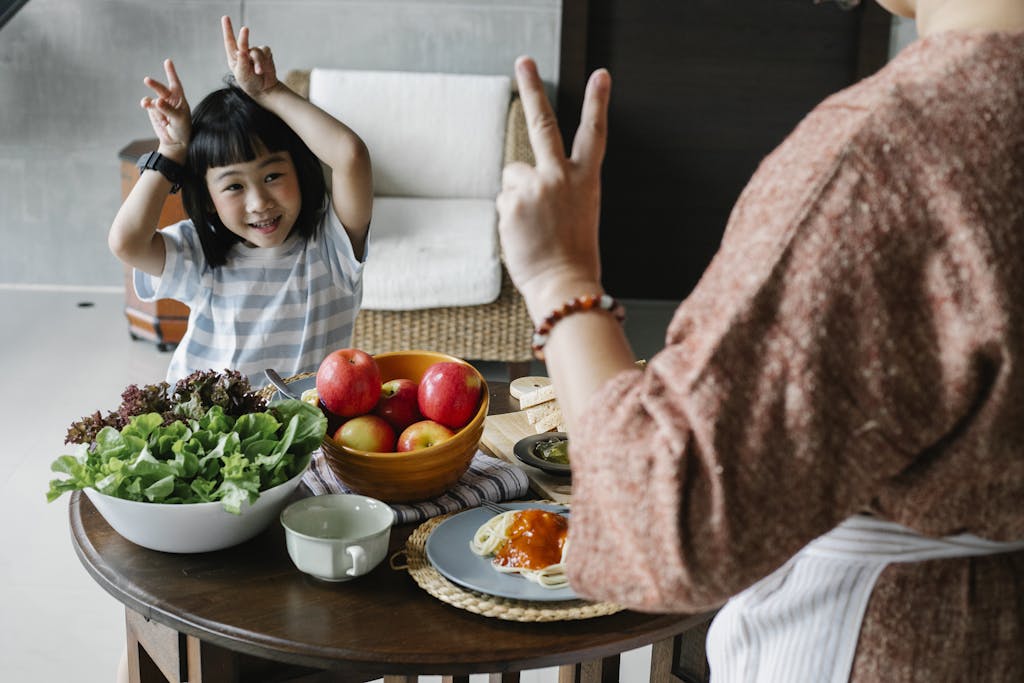
Happy little ethnic girl having fun with faceless mother showing V sign during lunch

At its core, intuitive eating is about honouring your body’s hunger and fullness cues without judgment or restriction. It’s about listening to your body’s wisdom and embracing it rather than external rules or societal pressures. For women who have spent years battling diets and obsessing over calorie counts, intuitive eating offers a refreshing alternative—a return to self-trust and self-care.

One of the fundamental principles of intuitive eating is rejecting the diet mentality. This means letting go of the idea that certain foods are “good” or “bad” and instead focusing on nourishing your body in a way that feels satisfying and sustainable. For many women, this shift in mindset can be incredibly empowering, freeing them from the cycle of guilt and shame that often accompanies restrictive eating habits.

Tune in to your body

Another key aspect of intuitive eating is learning to tune into your body’s hunger and fullness signals. This requires mindfulness and self-awareness, as well as a willingness to let go of external food rules and restrictions. By learning to honour your hunger and respect your fullness, you can develop a healthier and more balanced relationship with food.

Intuitive eating also encourages women to explore the emotional and psychological aspects of their eating habits. It’s about recognising that food serves many purposes beyond just fueling our bodies—it can also provide comfort, pleasure, and social connection. By acknowledging and addressing these emotional factors, women can develop a more holistic approach to eating that nourishes both body and soul.

Embrace your body

Ultimately, intuitive eating is about reclaiming ownership of your body and your health. It’s about rejecting the notion that your worth is determined by your weight or your ability to conform to societal beauty standards. Instead, it’s about embracing your body’s unique needs and trusting yourself to make choices that support your well-being.

Feel empowered

In a world that often seeks to dictate how women should look and what they should eat, intuitive eating offers a powerful alternative—a path to empowerment, self-acceptance, and freedom. By tuning into their bodies and trusting their instincts, women can reclaim control over their health and discover a newfound sense of confidence and vitality.

To find out more information on how I can help you with your diet and lifestyle please get in touch rebeccajfarrington@icloud.com


Woman Holding Pink Heart Pillow

Managing Menopause

A Guide to Healthy Eating for Women

Welcome to a new chapter in a woman’s life – menopause. This natural transition brings about various changes, both physical and emotional, and it’s essential to support your body through this journey. One powerful way to do so is through healthy eating. In this blog, I’ll explore the connection between nutrition and menopause, offering valuable insights and practical tips to help you navigate this phase with grace and vitality.

Understanding menopause

Before delving into the world of nutrition, let’s take a moment to understand what menopause is and how it affects the body. Menopause marks the end of a woman’s reproductive years, typically occurring in her late 40s or early 50s. Hormonal changes, specifically a decline in estrogen levels, contribute to various symptoms like hot flashes, mood swings, and changes in metabolism. A well-balanced diet can play a crucial role in managing these symptoms and promoting overall well-being.

Elderly Woman Sitting By The Table With A Cup Of Coffee

Key Nutrients for Menopausal Health

  1. Calcium and Vitamin D: With the risk of osteoporosis increasing during menopause, it’s crucial to maintain strong bones. Incorporate dairy products, leafy greens, and fortified foods into your diet.
  2. Omega-3 Fatty Acids: These healthy fats found in fatty fish, flaxseeds, and walnuts can help reduce inflammation, support heart health, and alleviate mood swings.
  3. Fiber-Rich Foods: Combat digestive issues and weight gain by incorporating whole grains, fruits, vegetables, and legumes into your meals.
  4. Antioxidants: Combat oxidative stress with a variety of colorful fruits and vegetables, rich in vitamins A, C, and E.
  5. Lean Proteins: Ensure a steady supply of protein from sources like lean meats, tofu, and legumes to support muscle mass and metabolism.

Foods to Include in Your Diet

  1. Soy-based Products: Containing phytoestrogens, soy products like tofu and soy milk may help alleviate hot flashes and other symptoms.
  2. Flaxseeds: Rich in lignans, flaxseeds have been linked to a reduction in hot flashes and improved cardiovascular health.
  3. Fruits and Vegetables: Packed with vitamins, minerals, and fiber, these foods support overall health and help manage weight.
  4. Probiotics: Incorporate yogurt, kefir, or fermented foods to support gut health and maintain a healthy weight.

Lifestyle Tips for Menopausal Well-being

  1. Hydration: Stay well-hydrated to combat common menopausal symptoms like hot flashes and dry skin.
  2. Regular Exercise: Engage in a mix of cardiovascular, strength, and flexibility exercises to support bone health, manage weight, and improve mood.
  3. Mindful Eating: Pay attention to hunger and fullness cues, and savor each bite. This can help prevent overeating and promote healthy digestion.

Conclusion:

Menopause is a natural phase in a woman’s life, and by embracing a healthy eating approach, you can empower yourself to navigate it with vitality and well-being. Remember, small changes in your diet and lifestyle can make a significant impact on how you experience menopause. Listen to your body, nourish it with wholesome foods, and embark on this journey with a sense of empowerment and self-care.

To find out how I can help please get in touch rebeccajfarrington@icloud.com

Woman Holding Pink Heart Pillow