I spent over 20 years working with food as a chef. I’ve seen what happens when people eat well — and what happens when they don’t. But it wasn’t until I retrained as a health coach that I really understood why the food choices we make in midlife matter so much more than most people realise.
After 40, nutrition is no longer just about weight or energy. It’s about giving your body the raw materials it needs to maintain muscle, support your gut, protect your brain, manage inflammation, and age well on your own terms. The question shifts from ‘how do I eat less?’ to ‘how do I eat to support the next 40 years of my life?’ That’s a very different — and far more empowering — place to start.
In this guide, I’ll walk you through what the research actually says about nutrition for longevity: which foods and eating patterns consistently appear in the science, what changes in your body after 40 and why that matters for what you eat, and how to translate it all into a practical, enjoyable approach that fits into real life. No rigid rules. No guilt. Just good food, applied with intention.
Why Your Nutritional Needs Change After 40
Your body in your 40s and beyond is not the same body you had in your 20s — and that’s not a problem, it’s just biology. Understanding what’s changing helps you eat in a way that works with your body, rather than against it.
The most significant shifts include a gradual decline in muscle mass (sarcopenia), changes in gut microbiome diversity, reduced bone density, hormonal fluctuations, and a modest decrease in metabolic rate. These changes don’t happen overnight, and they are not inevitable in their severity — but they are real, and nutrition is one of the most powerful tools we have for managing them.
What this means practically is that after 40, the quality of what you eat matters more than ever — not less. This is the stage of life where food genuinely becomes one of your most effective health tools. The good news is that the evidence points clearly toward eating patterns that are varied, enjoyable, and built around whole foods. This is not about deprivation.

“Poor diet is one of the leading modifiable risk factors for chronic disease and premature death globally — and its impact accelerates with age.”
World Health Organization, 2022
The Evidence-Based Longevity Foods
Decades of research into what populations around the world eat — and how long and well they live — has produced a remarkably consistent picture. Certain foods and dietary patterns appear again and again in the longevity literature. Here’s what the evidence most strongly supports:
1. Vegetables and Fruit
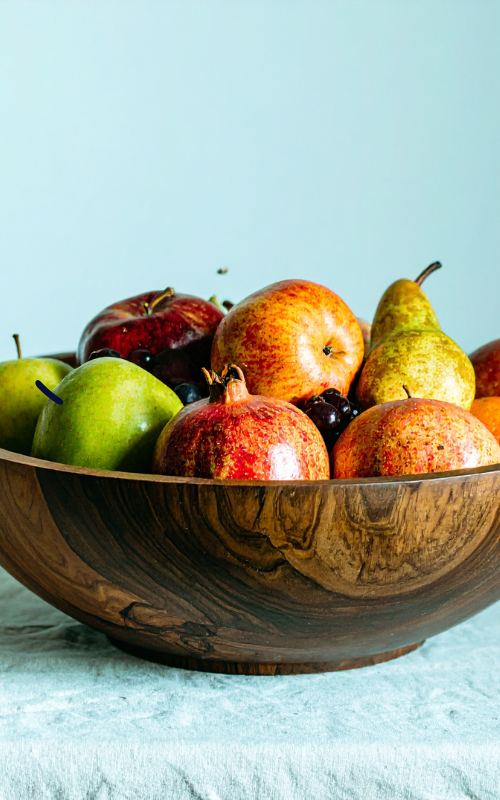
A high intake of vegetables and fruit is one of the most robustly supported dietary factors for longevity and chronic disease prevention. The NHS recommends a minimum of five portions per day, but research suggests benefits continue well beyond that — with seven or more portions associated with significantly lower risk of cardiovascular disease and all-cause mortality (BMJ, 2014). Variety matters: different colours provide different phytonutrients, each with distinct protective properties.
2. High-Quality Protein

Protein becomes increasingly important after 40. As muscle mass naturally declines, adequate protein intake — spread across the day — is one of the most effective ways to slow this process. The evidence suggests adults over 40 may benefit from protein intakes above the standard 0.8g per kg of body weight, with some researchers recommending 1.2-1.6g per kg, particularly for those who are active (British Journal of Nutrition, 2022).
The best sources include oily fish, eggs, legumes, dairy, lean poultry, and for meat-eaters, grass-fed red meat in moderation. Spreading protein intake across meals supports muscle protein synthesis more effectively than concentrating it all in one sitting.
3. Oily Fish and Omega-3 Fatty Acids
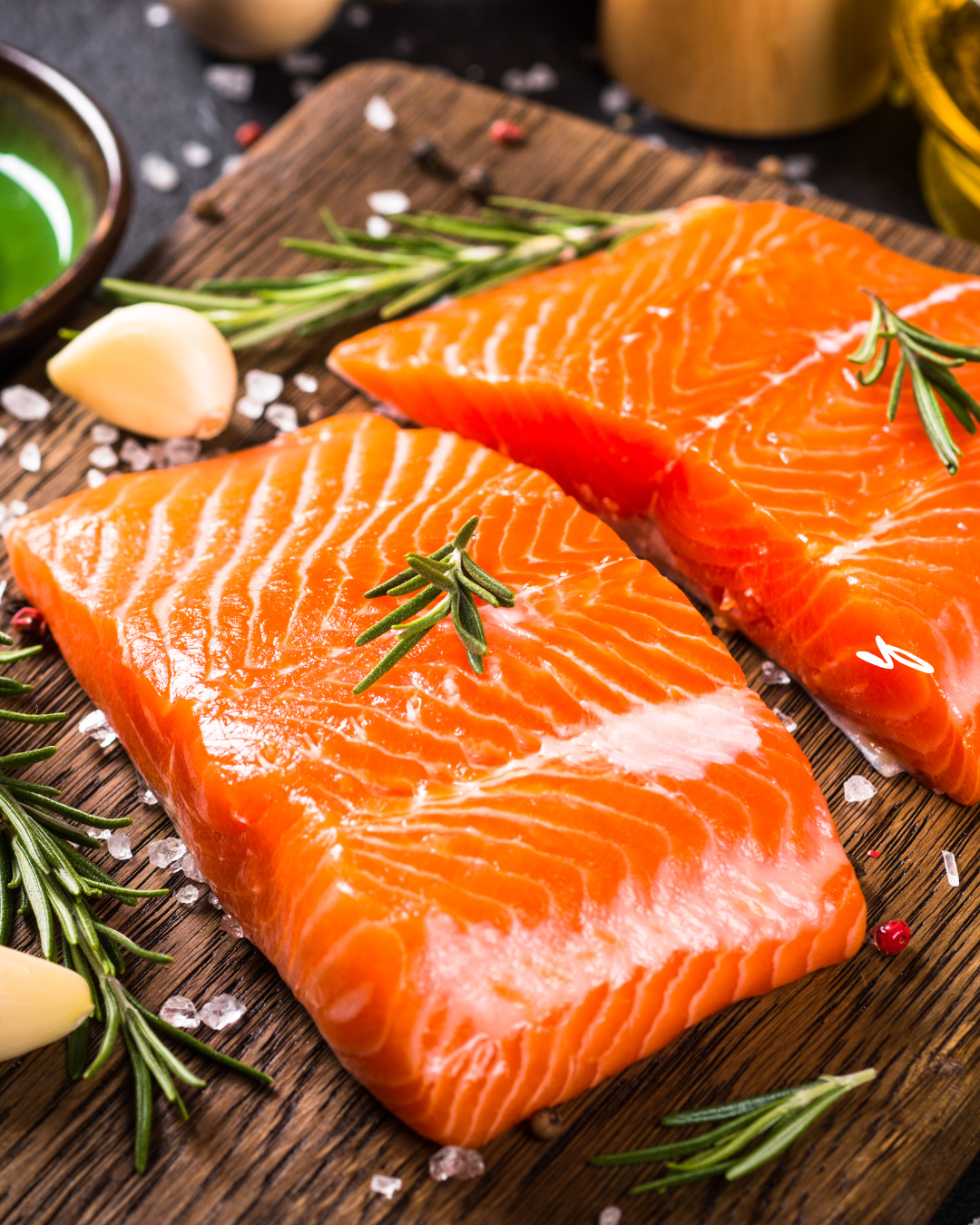
Oily fish — salmon, mackerel, sardines, trout — is one of the most consistently supported longevity foods in the research. Rich in long-chain omega-3 fatty acids, it is associated with reduced cardiovascular risk, lower systemic inflammation, and protection against cognitive decline (NHS, 2023). Aim for at least two portions per week, one of which should be oily.
4. Legumes
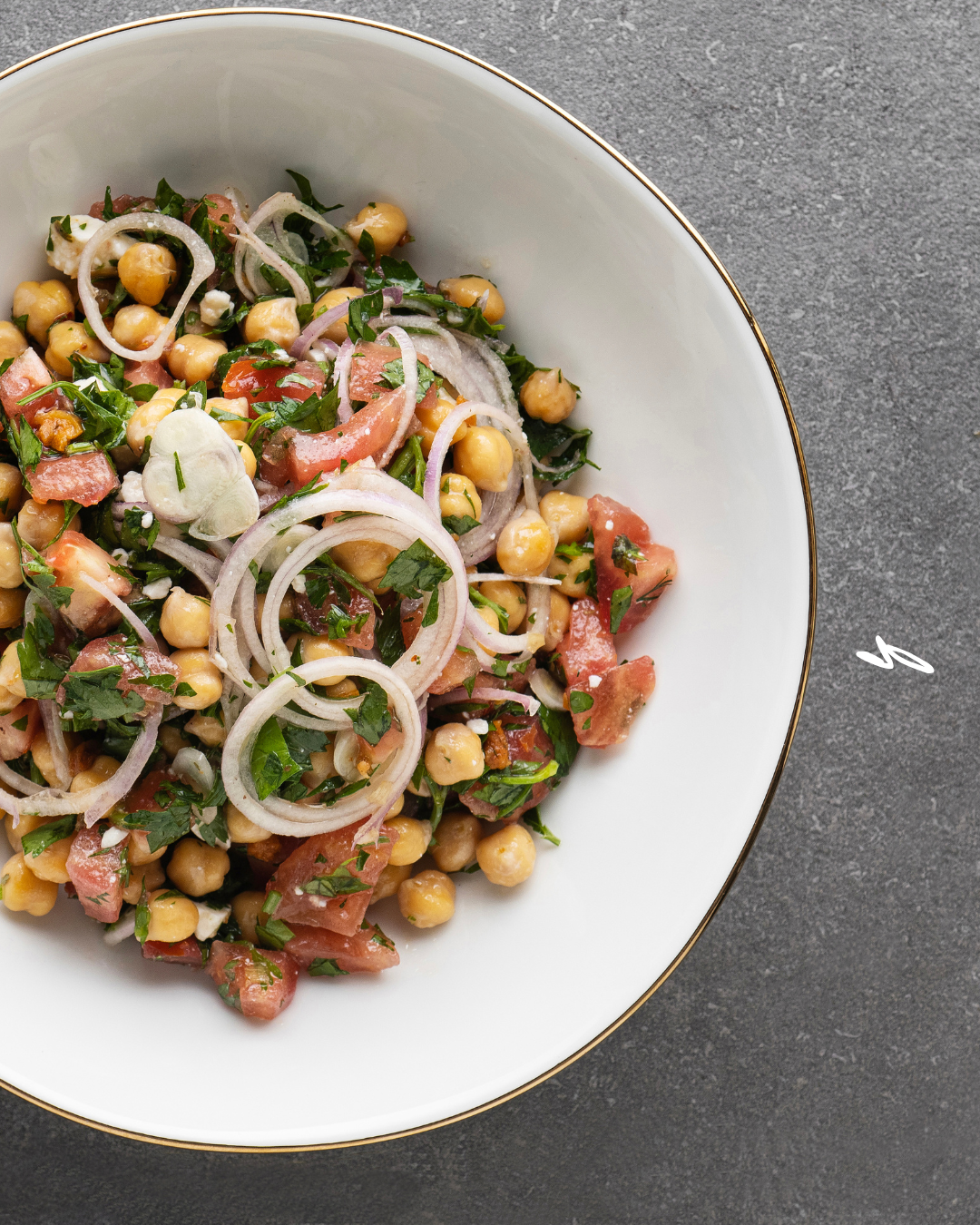
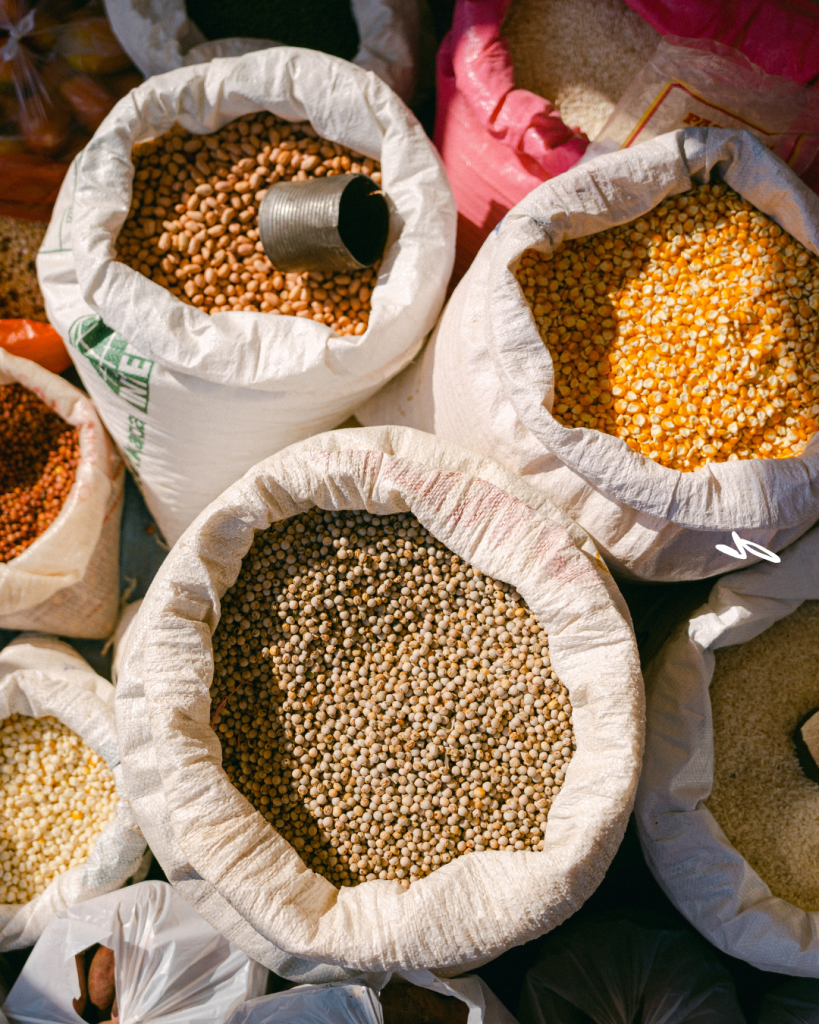
Beans, lentils, chickpeas and other legumes are among the most nutrient-dense and affordable foods available. High in fibre, plant-based protein, and slow-release carbohydrates, they are a staple across virtually every Blue Zone — the regions of the world where people live longest and healthiest (National Geographic Society, 2023). Legumes also feed beneficial gut bacteria, making them doubly valuable after 40.
5. Wholegrains
Wholegrains — oats, brown rice, quinoa, rye, barley — provide sustained energy, support gut health through fibre, and are associated with lower risk of type 2 diabetes, cardiovascular disease and certain cancers (NHS, 2023). Replacing refined grains with wholegrains is one of the most evidence-supported dietary swaps available.
6. Healthy Fats
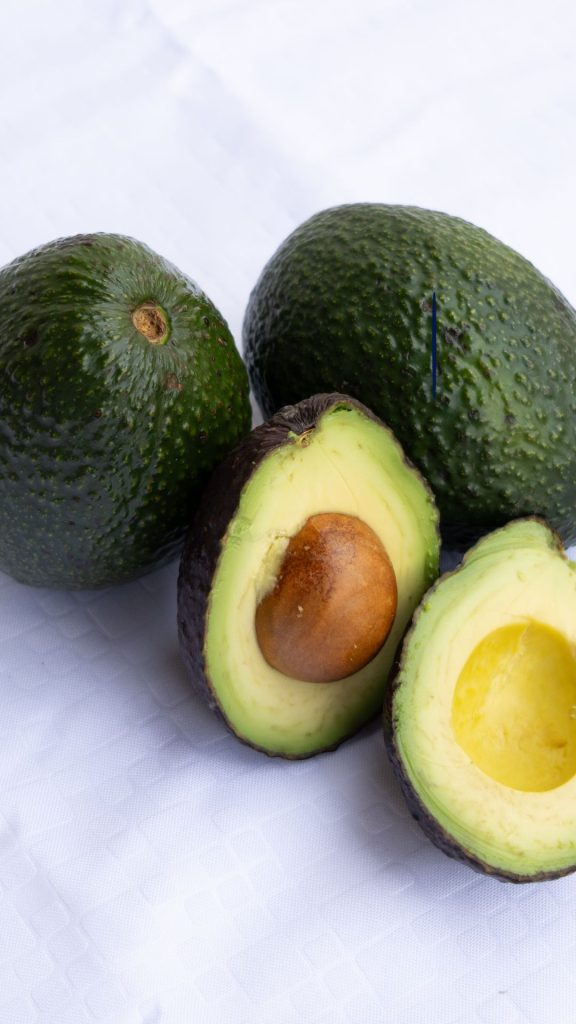
Extra virgin olive oil, avocado, nuts and seeds provide monounsaturated and polyunsaturated fats that support cardiovascular health, reduce inflammation, and enhance absorption of fat-soluble vitamins. Olive oil in particular features prominently in Mediterranean diet research and is associated with lower rates of heart disease and cognitive decline (BMJ, 2022).
Adults who follow a Mediterranean-style diet have a significantly lower risk of cardiovascular disease, type 2 diabetes and cognitive decline compared to those eating a typical Western diet.
BMJ, 2021
Gut Health and Its Role in Healthy Ageing
Your gut is far more than a digestive system. It is home to trillions of microorganisms — your gut microbiome — that influence immunity, inflammation, mental health, hormone regulation, and even brain function. After 40, the diversity of this microbiome tends to decline, which has real implications for how you feel and how well you age.
The most effective dietary strategy for a healthy gut microbiome is also one of the simplest: eat a wide variety of plant foods. Research from the American Gut Project found that people who eat 30 or more different plant foods per week have significantly more diverse gut microbiomes than those eating fewer than 10 — and diversity is a key marker of gut health (Cell, 2018).
Fermented foods — natural yoghurt, kefir, sauerkraut, kimchi, miso — also play an important role. A Stanford University study found that a diet high in fermented foods increased microbiome diversity and reduced markers of inflammation more effectively than a high-fibre diet alone (Cell, 2021).
“A diet rich in diverse plant foods and fermented foods is one of the most powerful interventions for gut microbiome health — with knock-on effects for immunity, inflammation and mental wellbeing.”
Cell, 2021
The average UK adult consumes around 18g of fibre per day — well below the recommended 30g (British Nutrition Foundation, 2023). Increasing fibre gradually through vegetables, legumes, wholegrains, nuts and seeds is one of the highest-return nutritional investments you can make after 40.
Protein and Muscle Preservation: The Non-Negotiable After 40
If there is one nutritional priority I return to again and again with clients over 40, it’s protein. Not because it’s a magic bullet, but because the evidence for its role in preserving muscle mass, supporting metabolic health, and maintaining strength is so consistent and so compelling.
Sarcopenia — the age-related loss of muscle mass and function — begins gradually from around age 35 and accelerates without intervention. The consequences extend well beyond aesthetics: reduced muscle mass is associated with slower metabolic rate, poorer blood sugar regulation, increased risk of falls and fractures, and reduced functional independence in later life (Age and Ageing, 2022). On the nutrition side, this means:
- Eating sufficient protein daily — most adults over 40 would benefit from at least 1.2g per kg of body weight
- Spreading protein across the day — each meal ideally containing 25-40g to maximise muscle protein synthesis
- Prioritising leucine-rich sources — eggs, dairy, fish, meat and soy are particularly effective at stimulating muscle repair
- Not skipping protein at breakfast — many people are too light in the morning and heavy at dinner
Practical Eating Patterns — Not Diets
One of the most important reframes in longevity nutrition is moving away from the idea of ‘being on a diet’ toward thinking about sustainable eating patterns. Diets have a start and an end. Eating patterns are simply how you live.
The Mediterranean Pattern
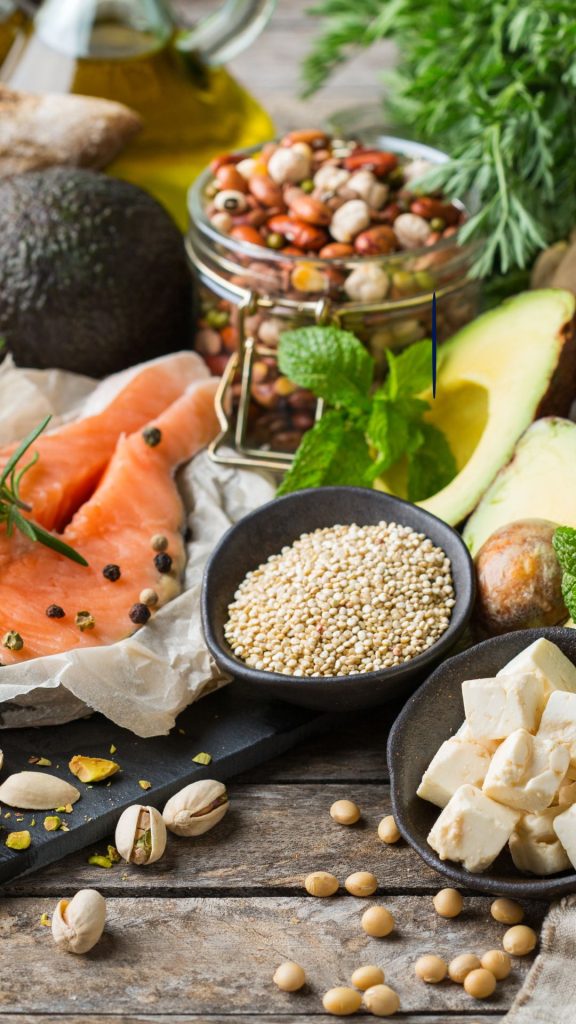
Consistently ranked as one of the most evidence-based eating patterns for longevity and cardiovascular health. It emphasises vegetables, fruit, wholegrains, legumes, olive oil, fish, and moderate amounts of dairy — with red meat and processed foods eaten sparingly. It is also, notably, one of the most enjoyable ways of eating in the world. This is not a coincidence.

A Whole-Food, Plant-Forward Approach
This doesn’t mean vegetarian or vegan — it means building meals around whole, minimally processed plant foods, with animal products playing a supporting rather than central role. This approach reduces saturated fat, increases fibre, and provides a rich diversity of phytonutrients. It’s also considerably more affordable than most ‘health diets’.
Reducing Ultra-Processed Foods
Ultra-processed foods now account for over 50% of energy intake in the average UK diet (BMJ, 2023). Their regular consumption is associated with higher rates of obesity, cardiovascular disease, depression and all-cause mortality. Reducing — not eliminating, but reducing — ultra-processed foods is one of the most impactful dietary changes available to you.

The Bottom Line: Eat Well, Age Well
Nutrition for longevity is not complicated — but it does require intention. The evidence points clearly toward eating more whole foods, more plants, more quality protein, and more variety; eating less ultra-processed food; and approaching food with enjoyment and consistency rather than restriction and guilt.
As someone who has spent decades working with food — first as a chef and now as a health coach — I genuinely believe that eating well is one of the great pleasures of life, not a punishment. The most evidence-supported diets in the world are also among the most delicious. That’s not a coincidence; it’s an invitation.
Start with one change. Add an extra portion of vegetables. Swap a refined grain for a wholegrain. Add a portion of oily fish this week. Each small step is a deposit in your Health Pension — and they add up to something extraordinary over time. Nutrition is one of five pillars of healthy ageing I explore in the complete guide: The Complete Guide to Healthy Ageing After 40.
Sources & Further Reading
World Health Organization. (2022). Healthy Diet Fact Sheet. WHO. https://www.who.int/news-room/fact-sheets/detail/healthy-diet
National Health Service. (2023). Eating a Balanced Diet. NHS. https://www.nhs.uk/live-well/eat-well/
National Health Service. (2023). Fish and Shellfish Nutrition. NHS. https://www.nhs.uk/live-well/eat-well/food-types/fish-and-shellfish-nutrition/
National Health Service. (2023). Vitamins and Minerals: Vitamin D. NHS. https://www.nhs.uk/conditions/vitamins-and-minerals/vitamin-d/
British Medical Journal. (2021). Mediterranean Diet and Risk of Chronic Disease: Meta-Analysis. BMJ. https://www.bmj.com/content/371/bmj.m4660
British Medical Journal. (2022). Olive Oil Consumption and Cardiovascular Risk. BMJ. https://www.bmj.com/content/378/bmj-2022-071099
British Medical Journal. (2023). Ultra-Processed Food Consumption and Health Outcomes. BMJ. https://www.bmj.com/content/381/bmj-2023-075499
British Medical Journal. (2014). Fruit and vegetable consumption and mortality from all causes. BMJ, 349, g4490. https://www.bmj.com/content/349/bmj.g4490
British Journal of Nutrition. (2022). Protein Recommendations for Older Adults: A Review. Cambridge University Press. https://www.cambridge.org/core/journals/british-journal-of-nutrition
British Nutrition Foundation. (2023). Dietary Fibre. https://www.nutrition.org.uk/nutritional-information/fibre/
Ready to invest in your health?
Sign up for my weekly newsletter — practical, evidence-based health tips delivered every Friday. No overwhelm, no extremes. Just steady, realistic guidance to help you feel better for longer.